
Beautiful Plants For Your Interior
Beautiful Plants For Your Interior
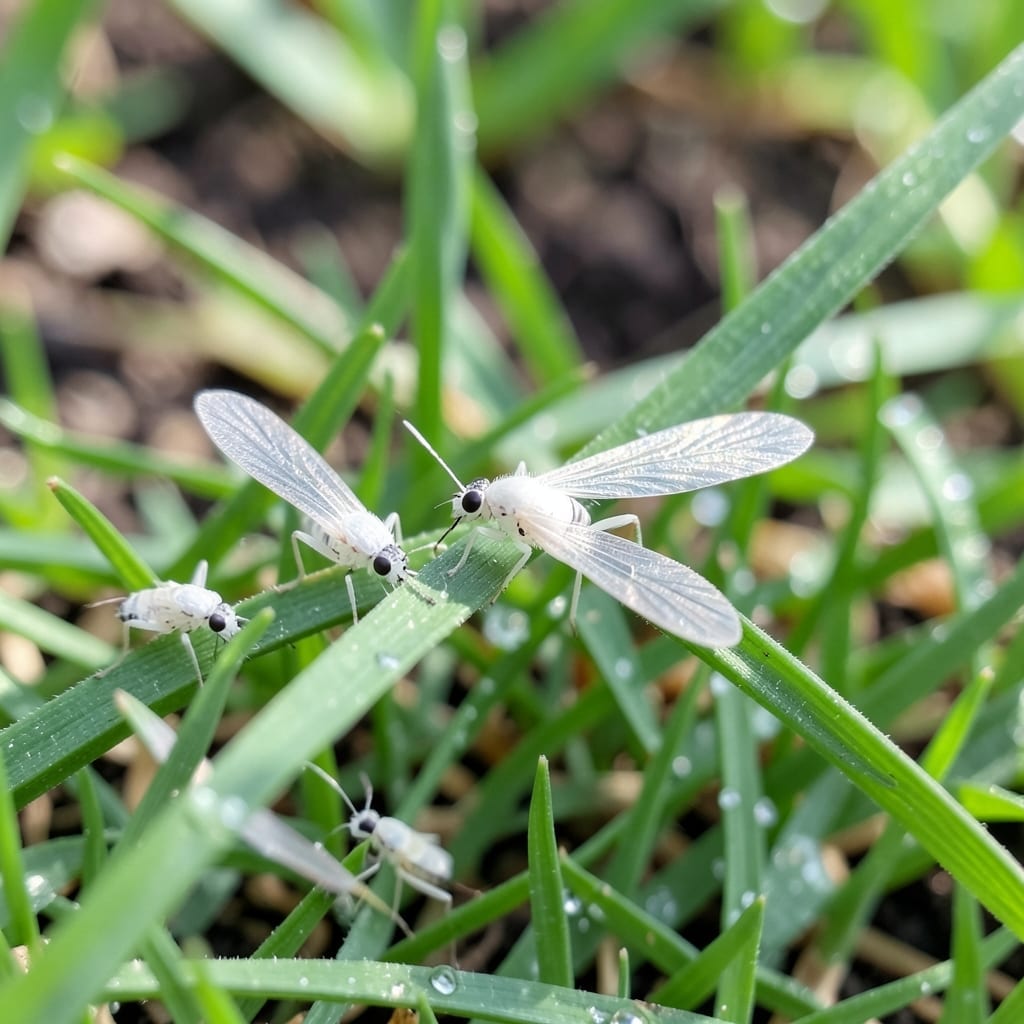
Tiny white flies hovering over your lawn aren’t just annoying—they’re sucking the life out of your grass. I first noticed them after a particularly wet spring, and by summer, my turf had yellow patches that wouldn’t recover.
Whiteflies multiply fast, but the good news is they’re weak fliers. A strong blast from the hose can knock them down, and natural predators like ladybugs will finish the job. The key is catching them early before they spread.
Your lawn will bounce back with consistent treatment. I’ve seen full recovery in 2-3 weeks using a combination of water sprays and beneficial insects. No harsh chemicals needed.
Works for most grass types, from Bermuda to fescue. Here’s how to reclaim your turf without harming the ecosystem.
Whiteflies in grass often appear due to specific environmental and biological triggers. Understanding these causes helps prevent infestations and protect lawn health.
Over-fertilizing with nitrogen-rich products promotes lush, soft grass growth—ideal for whiteflies. These pests thrive on tender, rapidly growing plants. Solution: Use balanced fertilizers and follow soil test recommendations.
Soggy soil and frequent irrigation create humid conditions that whiteflies love. Stagnant moisture weakens grass, making it more susceptible to pests. Solution: Water deeply but infrequently, and improve drainage.
Whiteflies reproduce rapidly in warm, humid climates (75–85°F). These conditions accelerate their life cycle, leading to larger populations. Solution: Monitor weather forecasts and apply preventive treatments in peak seasons.
Beneficial insects like ladybugs and lacewings keep whitefly numbers in check. Pesticide overuse or monoculture lawns can eliminate these predators. Solution: Encourage biodiversity with native plants and reduce chemical interventions.
Whiteflies can be a nuisance in your grass, but with the right approach, you can reclaim a healthy lawn. Below are targeted solutions to address the most common causes, along with prevention tips to keep them from returning.
Whiteflies thrive in damp conditions. Reduce watering frequency and ensure your lawn has proper drainage. Water deeply but infrequently—early in the morning—to allow the grass to dry out during the day. Consider aerating compacted soil to improve drainage and prevent standing water.
A thick layer of thatch provides a cozy home for whiteflies. Dethatch your lawn using a rake or dethatching machine, especially in spring or early fall. This removes the breeding ground and allows air, water, and nutrients to reach the soil more effectively.
Encourage or introduce natural predators like ladybugs, lacewings, or parasitic wasps to keep whitefly populations in check. Plant companion plants such as marigolds, alyssum, or dill to attract these beneficial insects. Avoid broad-spectrum pesticides, which can harm these helpful allies.
A healthy lawn is less susceptible to pests. Fertilize appropriately based on soil test results, and choose grass varieties suited to your climate. Regular mowing at the correct height (usually 2-4 inches) also promotes strong growth and discourages whiteflies.
For immediate action, spray affected areas with a mix of water and insecticidal soap or neem oil. These natural solutions disrupt the whiteflies’ life cycle without harming beneficial insects. Reapply every 5-7 days until the infestation is under control.
Prevention Tip: 💡 Keep your lawn well-maintained, monitor for early signs of whiteflies, and act quickly to prevent small problems from becoming big ones. A little vigilance goes a long way!
Check for tiny white insects on grass blades or a sticky residue called honeydew. Shake grass gently—if small white bugs fly up, you’ve got an infestation.
No, but they weaken grass by sucking sap, leading to yellow patches. Act fast with water sprays or beneficial insects to prevent spread.
Yes, but avoid broad-spectrum products that kill beneficial insects. Opt for insecticidal soap or neem oil first. Always follow label instructions.
Early morning or late evening when pests are less active. Apply treatments during dry weather for best results.