
Beautiful Plants For Your Interior
Beautiful Plants For Your Interior
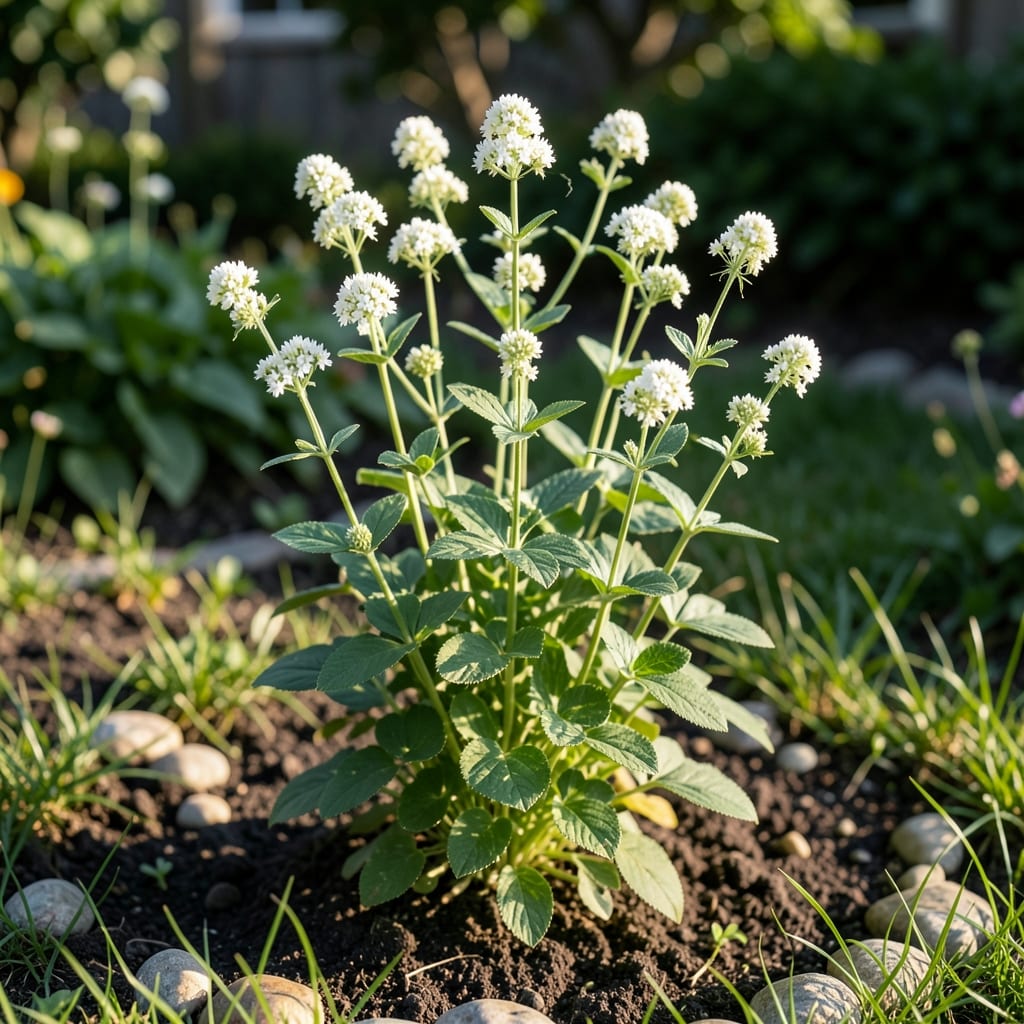
White sweet clover is considered invasive in many regions due to its aggressive spread, outcompeting native plants and altering soil nitrogen levels through its deep root system.
I’ve seen how this plant can transform a landscape in just a few seasons. Its ability to fix nitrogen can initially enrich the soil, but over time, it creates an imbalance that crowds out local species. 🌟
What makes it particularly stubborn is its prolific seed production—each plant can release thousands of seeds that remain viable for years.
💡 In This Article
White sweet clover thrives through a combination of prolific seed production and efficient dispersal. Each plant can produce 15,000-35,000 seeds annually, which remain viable in the soil for 30+ years. These seeds spread via wind, water, animals, and human activity, germinating rapidly when conditions are right.
The plant’s deep taproot, reaching 6-8 feet, allows it to access water and nutrients that shallow-rooted natives can’t. 🔥
The real game-changer is its nitrogen-fixing ability. Through a symbiotic relationship with Rhizobium bacteria in its roots, white sweet clover converts atmospheric nitrogen into a plant-usable form. This enriches the soil to 200-300 lbs/acre of nitrogen annually, initially benefiting surrounding plants but eventually creating conditions where only nitrogen-loving species can thrive. 💫
Without natural predators or diseases to keep it in check in non-native regions, it outcompetes local flora for sunlight and resources. Its tall stature (3-6 feet) shades out smaller native plants, while its dense growth pattern forms monotypic stands that reduce biodiversity.
The plant’s allelopathic properties may even release chemicals that inhibit the growth of competing species. ⚡
This ecological advantage becomes particularly evident in disturbed areas. Roadside ditches, agricultural fields, and construction sites provide perfect opportunities for white sweet clover to establish itself.
Its tolerance for poor soils and ability to improve soil fertility through nitrogen fixation often makes it the first plant to colonize these areas, paving the way for its own dominance. 🌟
Climate adaptability further fuels its spread. White sweet clover grows in USDA zones 3-8, tolerating temperatures from -40°F to 100°F. It thrives in full sun to partial shade and can grow in everything from dry, sandy soils to moist, clay-rich earth.
This versatility allows it to invade a wider range of habitats than many native species can endure. ✨
Seeds can remain dormant yet viable for 30+ years. This long-term survival allows the plant to re-emerge even after long periods without visible growth. Always remove plants before they seed to prevent future outbreaks.
It thrives in both, thanks to its nitrogen-fixing ability. This adaptability lets it improve poor soils while still outcompeting natives in richer conditions. Its deep taproot helps it access nutrients others can’t.
Mowing can help if done consistently before seeding. Cut plants to 2-3 inches every 2-3 weeks to weaken them, but this alone won’t eliminate established plants. Combine with hand-pulling or herbicides for best results.
No, avoid composting mature plants or seeds. The heat in most home compost piles won’t kill the seeds, which could then spread when you use the compost. Bag and dispose of pulled plants with household trash instead.