
Beautiful Plants For Your Interior
Beautiful Plants For Your Interior
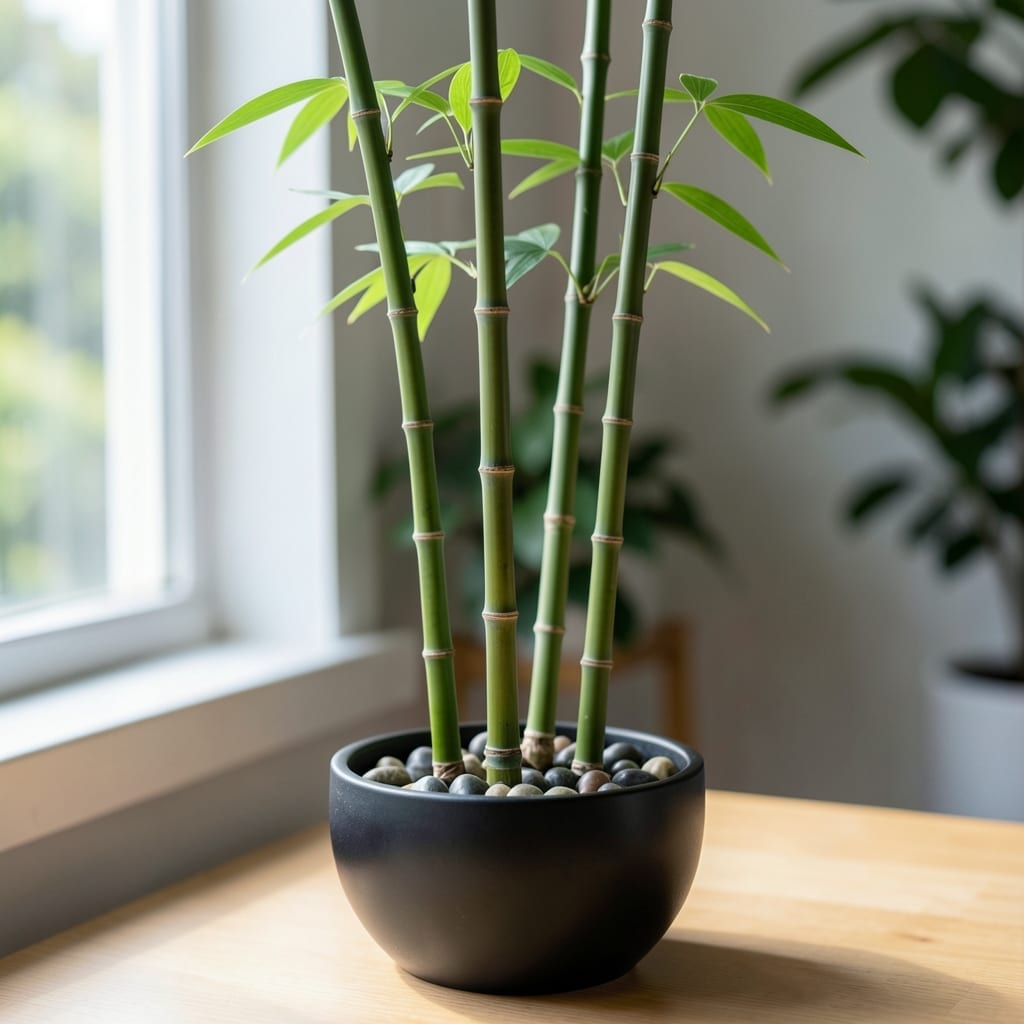
I learned the hard way that bamboo’s root system can take over a garden in one season. Running types spread aggressively underground, while clumping varieties stay contained—knowing the difference is everything.
With the right barriers or planting strategy, you can enjoy bamboo’s beauty without the invasion. I’m sharing what worked for me after years of battling wayward canes and 30-foot underground runners.
📚 In This Guide
Use this proven approach to manage aggressive spread while keeping your bamboo healthy and contained.
Begin by locating the rhizomes—the horizontal underground stems that produce new shoots. Running bamboo spreads aggressively through these rhizomes, while clumping varieties expand more slowly from a central base. I dig a small test trench about 6 inches deep around the perimeter to expose the rhizome network.
You’ll see thick, woody rhizomes radiating outward with nodes that send up new culms. Mark the outermost edge of growth with landscape flags. This mapping prevents surprises later when shoots emerge 10-15 feet from the original plant in running types.
For running bamboo, bury HDPE root barrier at least 24-30 inches deep in a continuous trench around the planting area. Overlap barrier edges by 6 inches and secure with waterproof tape to prevent rhizomes from slipping through gaps. I angle the top edge outward slightly to direct upward growth back downward.
Ensure the barrier rises 2-3 inches above soil level to catch any rhizomes attempting to surface. Check annually for rhizomes creeping over the top—trim them immediately with pruners. Without barriers, running bamboo can travel 100 feet in a single season under ideal conditions.
Each early spring before new shoots emerge, use a sharp spade to sever rhizomes beyond your desired boundary. I slice vertically 12-18 inches deep in a clean line around the clump. This timing interrupts the plant’s energy transfer when rhizomes are most active.
Remove all cut rhizome pieces immediately—even small fragments can regrow. For established plantings, I repeat this process in late summer to catch any late-season spread. You’ll know it’s working when new shoots only appear within your defined area the following year.
Walk the perimeter monthly during growing season to spot any escaped rhizomes pushing through barriers or soil. New shoots appear as sharp, pointed tips breaking the surface. I dig down to trace these back to the parent rhizome and cut the connection at the source.
For clumping bamboo, containment is simpler—just remove any offset shoots that appear more than 6-8 inches from the main clump. Real talk: even clumping types can surprise you with a rogue shoot 2 feet away if left unchecked for years.
These practical insights will help you effectively manage bamboo spread without harming your plants.
Depth Precision: When digging your test trench in Step 1, the 6-inch depth is critical for properly exposing the rhizome network. Going shallower might miss deeper roots, while digging too deep risks damaging the very rhizomes you’re trying to map. I use a sharp spade to create clean edges for better visibility.
Barrier Installation: For Step 2, the 24-30 inch depth for HDPE barrier isn’t arbitrary—it needs to extend below the typical rhizome growth zone. The 6-inch overlap between barrier sections is equally important; I once skipped this and found rhizomes sneaking through the gap within months. Always secure with waterproof tape.
Pruning Technique: In Step 3, the vertical cut at 12-18 inches deep must be clean and decisive. I learned the hard way that angled cuts can allow rhizomes to regrow in unexpected directions. Early spring timing is non-negotiable—it’s when the plant’s energy is most concentrated in the rhizomes.
Monitoring Strategy: The monthly checks in Step 4 are your early warning system. I mark my calendar to walk the perimeter with pruners in hand. For clumping varieties, don’t overlook those 6-8 inch offsets—they can establish quickly if ignored.
Bamboo roots typically spread 12–18 inches deep, but rhizomes (horizontal roots) can extend far beyond the plant’s base. Running bamboo varieties may spread aggressively, while clumping types stay more contained.
Yes, invasive running bamboo roots can crack foundations, lift pavements, or penetrate plumbing if left unchecked. Install root barriers or choose clumping bamboo to prevent structural damage.
Use HDPE root barriers buried at least 30 inches deep or dig a trench around the plant. Regularly prune rhizomes or grow bamboo in large containers to limit growth.
Early spring or late fall is ideal for pruning rhizomes or installing barriers, as the plant is less actively growing. Avoid summer, when rapid growth makes control harder.
Yes! Try clumping bamboo varieties, ornamental grasses, or privacy hedges like arborvitae. These offer similar aesthetics without aggressive spreading.