
Beautiful Plants For Your Interior
Beautiful Plants For Your Interior
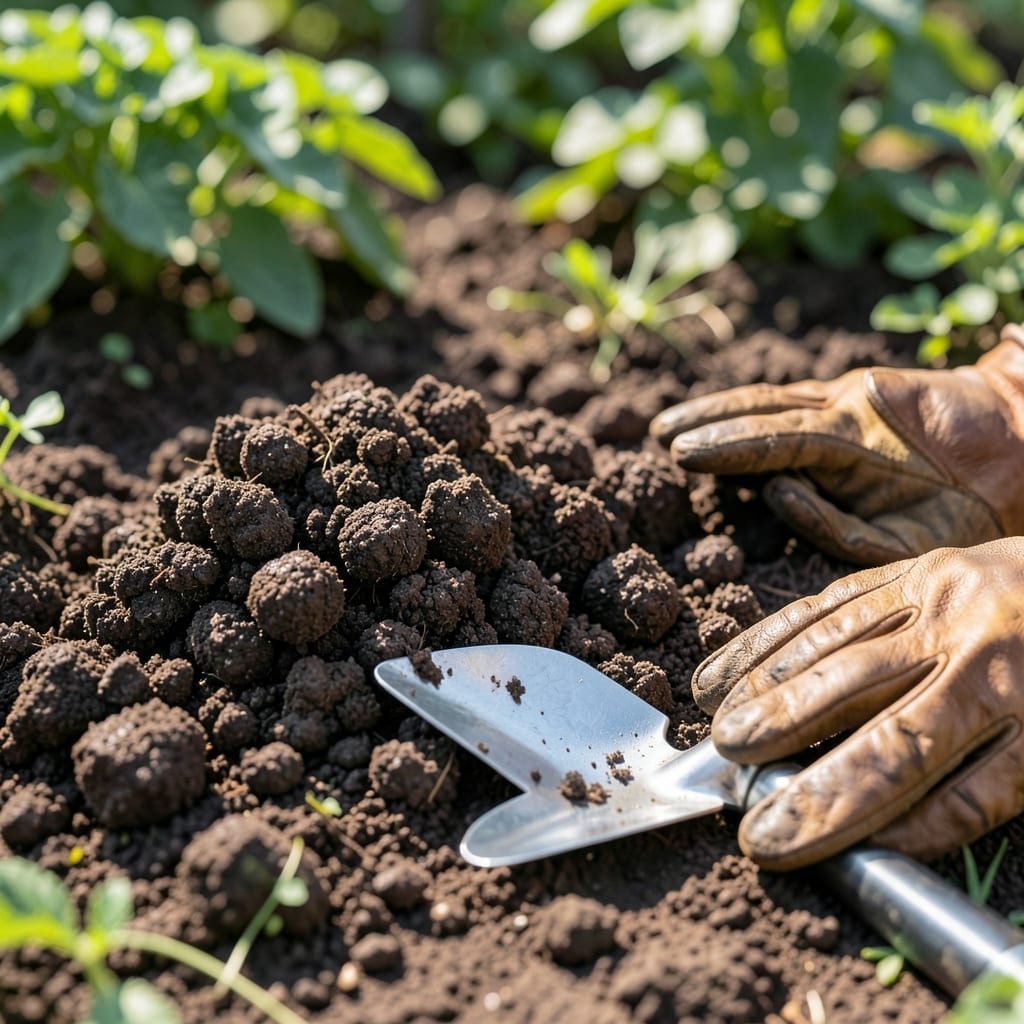
Steer manure typically contains an N-P-K ratio of 1-2-1, meaning it provides balanced nutrition with slightly higher phosphorus content. This natural ratio supports root development, flowering, and overall plant vigor. 🌟
The organic matter in steer manure improves soil structure by increasing porosity and water retention. It also feeds beneficial microbes that break down nutrients into plant-available forms. This microbial activity creates a living soil ecosystem.
Beyond primary nutrients, steer manure contains micronutrients like calcium, magnesium, and sulfur. These trace elements support enzyme functions and plant metabolism. The manure’s dark, crumbly texture when composted indicates high organic content.
Fresh steer manure has high ammonia content that can burn plants. During composting, this ammonia converts to stable nitrogen compounds. The process also kills weed seeds and pathogens, making it safe for garden use.
Composted steer manure typically contains 30-50% organic matter by weight. This organic content improves soil’s cation exchange capacity, allowing it to hold more nutrients for plant roots to access. ✨
The decomposition process generates heat that breaks down complex organic compounds. This results in humus—a stable organic material that improves soil structure for years after application.
No, fresh steer manure contains high ammonia levels that can burn plant roots. Always compost it for at least 6 months before use. This aging process stabilizes nutrients and eliminates harmful pathogens.
Steer manure is essentially the same as cow manure, as steers are young male cattle. Both have similar N-P-K ratios around 1-2-1. The main difference is steer manure often has less weed seeds since steers are typically fed cleaner diets.
Leafy greens, root vegetables, and flowering plants respond exceptionally well. Its balanced nutrients support both foliage and root development. Avoid using it on acid-loving plants like blueberries without first testing soil pH.
Yes, overapplication can lead to nutrient imbalances and salt buildup in soil. Stick to recommended amounts: 2-3 inches worked into garden beds or 1 inch as top dressing. More isn’t always better with organic fertilizers.