
Beautiful Plants For Your Interior
Beautiful Plants For Your Interior
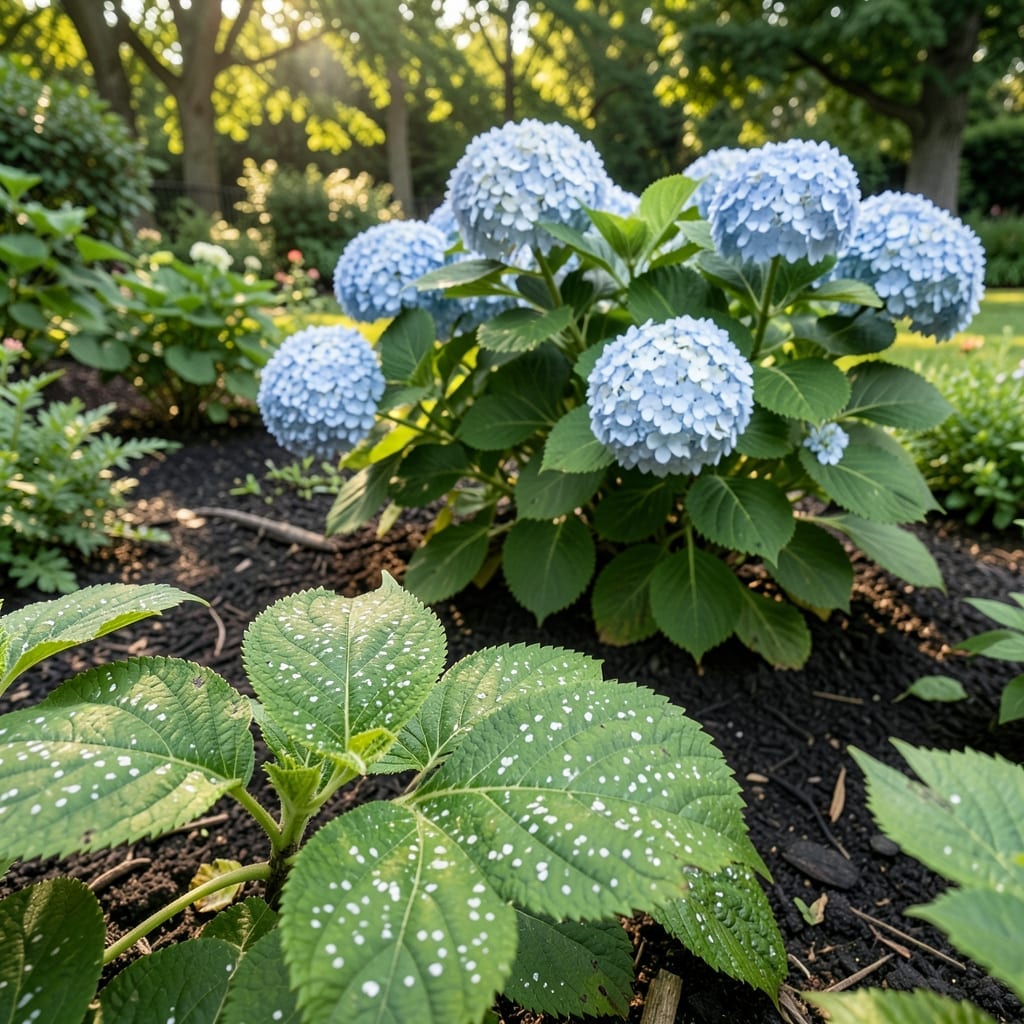
White spots on your hydrangea leaves aren’t just unsightly—they’re a warning sign. I’ve dealt with this exact issue in my own garden, and the solution starts with proper diagnosis before reaching for any treatment.
Powdery mildew is the usual suspect, but pests or environmental stress can mimic the same symptoms. The key is checking both sides of the leaves and noting the pattern—white patches or fuzzy growth point to different problems entirely.
Once identified, treatment is straightforward: improve air circulation, remove affected leaves, and apply the right organic or chemical solution. Prevention keeps it from returning next season.
Your hydrangeas can bounce back quickly with the right approach. Here’s how to fix it and keep them thriving.
White spots on hydrangea leaves often stem from environmental stressors or pathogens. Here’s a breakdown of the most common causes:
Powdery mildew (Erysiphe spp.) is a primary culprit. This fungus thrives in high humidity and poor air circulation, forming a white, powdery coating on leaf surfaces. Spores spread via wind or splashing water, infecting healthy tissue. Downy mildew (Peronospora spp.) can also cause pale, yellowish-white patches, often on the undersides of leaves.
Overhead watering leaves foliage wet for extended periods, creating an ideal breeding ground for fungi. Excessive shade reduces airflow and sunlight, weakening the plant’s natural defenses. Similarly, nutrient deficiencies (e.g., calcium or magnesium) may manifest as discolored spots, though these are less common than fungal causes.
Insects like spider mites or aphids can cause stippling or white speckling by feeding on leaf tissue. Their damage often appears as tiny, irregular spots rather than large patches. Check leaf undersides for webbing or clusters of pests to confirm.
Herbicide drift or improper pesticide application may lead to localized white or bleached spots. Physical damage, such as hail or rough handling, can also create entry points for secondary infections, which may present as white lesions.
Tackling white spots on your hydrangea leaves starts with identifying the cause and applying the right fix. Below are the most common issues and their solutions, along with tips to keep your plants healthy long-term.
If the spots are caused by powdery mildew or leaf spot fungi, treat the plant with a fungicide. Use a copper-based fungicide or neem oil spray (1 tbsp neem oil + 1 tsp dish soap + 1 gallon of water) every 7–10 days until the issue clears. Remove and destroy severely infected leaves to prevent spread.
Prevention tip 💡: Improve air circulation by spacing plants properly and watering at the base (not overhead) to keep foliage dry.
For spider mites, aphids, or thrips, blast them off with a strong stream of water, then apply insecticidal soap or horticultural oil. Repeat every 5–7 days as needed.
Prevention tip 🎯: Inspect leaves regularly (especially the undersides) and introduce beneficial insects like ladybugs to keep pests in check.
If the spots are due to hard water or sunscald, adjust your care routine. Use filtered or rainwater for irrigation, and provide afternoon shade if leaves appear burned. Mulch around the base to retain moisture.
Prevention tip ✨: Test your soil’s pH (hydrangeas prefer 5.2–6.5) and amend if needed to avoid nutrient deficiencies that weaken the plant.
If the spots follow a recent pesticide or herbicide application, rinse the leaves with water immediately. Avoid spraying chemicals on windy days or when temperatures exceed 85°F.
Prevention tip 🌡️: Always follow label instructions and test sprays on a small area first.
Yes, fungal spores can travel via wind or water splash to nearby plants. Isolate affected hydrangeas and remove infected leaves immediately to prevent spread.
Look for a white, powdery coating that wipes off easily with your finger. It often appears first on upper leaf surfaces and spreads quickly in humid conditions.
Existing white spots won’t disappear, but new growth should emerge healthy. Consistency with treatment and prevention is key to full recovery.
Neem oil works well against fungal issues and many pests. For severe infections or certain pests like thrips, you may need stronger targeted treatments.