
Beautiful Plants For Your Interior
Beautiful Plants For Your Interior
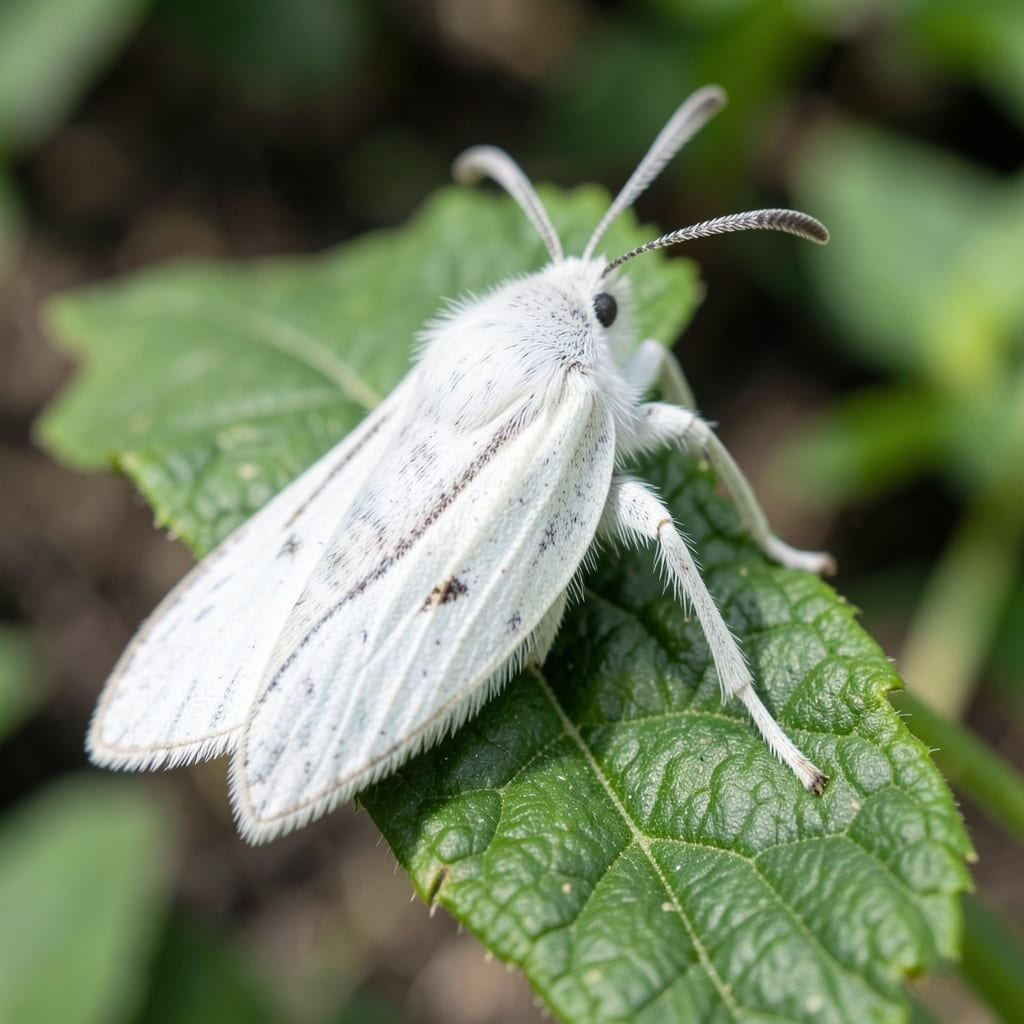
White sphinx moths caught me off guard the first time I spotted their massive caterpillars devouring my tomato plants. These voracious eaters can strip a plant bare overnight if left unchecked.
Identification is straightforward once you know what to look for. The adults are large, pale moths, but it’s the thick, horned caterpillars you’ll notice first, often 3-4 inches long and bright green with diagonal stripes.
I’ve tested various organic solutions, and the most effective approach combines hand-picking with natural predators. The key is catching them early before they move to their next meal.
Prevention is simpler than you think. Regular garden inspections and encouraging beneficial insects can save you from a full-blown infestation.
The presence of white sphinx moths (Hyles lineata) in gardens or agricultural areas is rarely random. Their infestations are typically driven by specific environmental and biological factors. Understanding these causes helps in targeting removal efforts effectively.
White sphinx moths are highly attracted to certain plants, particularly those in the Solanaceae family, such as tomatoes, potatoes, and peppers. They also target Portulaca (purslane) and Oenothera (evening primrose). When these host plants are abundant, adult moths lay eggs nearby, leading to larval outbreaks. Actionable step: Monitor and diversify plantings to reduce reliance on high-risk species.
These moths thrive in warm, dry climates. Temperatures between 75–90°F (24–32°C) accelerate their life cycle, allowing multiple generations per year. Regions with long growing seasons or mild winters see higher populations. Actionable step: Use row covers in early summer to block adult moths from accessing plants during peak flight periods.
White sphinx moths are nocturnal pollinators and are often drawn to artificial lights at night. This behavior increases their presence in urban and suburban gardens. Actionable step: Reduce outdoor lighting or switch to yellow bug lights to minimize attraction.
In areas where natural predators like birds, parasitic wasps, or ground beetles are absent, moth populations can explode. Overuse of broad-spectrum pesticides often eliminates these beneficial insects. Actionable step: Encourage biodiversity and avoid chemical pesticides to support predator populations.
Dealing with a white sphinx moth infestation in your garden? Try these organic solutions to reclaim your plants without harsh chemicals.
Inspect the undersides of leaves, especially on tomato, pepper, or potato plants, for smooth, round eggs or green caterpillars with diagonal stripes. Drop them into a bucket of soapy water to drown them. Best time: early morning or late evening when larvae are less active.
Mix 1 tbsp neem oil + 1 tsp mild soap + 1 quart water and spray thoroughly on both sides of leaves. Reapply every 5–7 days or after rain. Neem disrupts the moth’s life cycle and deters feeding. 💡 Pro tip: Test on a small area first to avoid plant sensitivity.
Attract birds, parasitic wasps, and ladybugs by planting companion flowers like marigolds, dill, or alyssum. These predators feed on eggs and young larvae. Install a birdbath or nesting boxes to keep them around.
✨ Prevention tip: Rotate crops yearly to reduce recurring infestations.
Spray Bt-based insecticide (a natural soil bacterium) directly on foliage. Larvae ingest it and stop feeding within hours. Reapply weekly during active growth periods. Bt is safe for humans, pets, and beneficial insects.
🎯 Target timing: Apply in the early morning or dusk for best results.
Clear fallen leaves, weeds, and garden waste where moths lay eggs. Till the soil in late fall to expose and destroy overwintering pupae. Keep your garden clean to limit hiding spots.
They’re large, 3-4 inches long, with bright green bodies and diagonal yellow or white stripes. A distinct “horn” on their rear end makes them easy to spot.
Adult moths fly at night, especially between 75–90°F. Larvae feed continuously but are most visible during dawn and dusk when temperatures are cooler.
They prefer nightshades like tomatoes and peppers but may also attack purslane and evening primrose. Early removal prevents them from spreading to other crops.
In warm climates, they can complete a life cycle in 3-4 weeks, producing multiple generations per season. Regular inspection helps catch infestations early.