
Beautiful Plants For Your Interior
Beautiful Plants For Your Interior
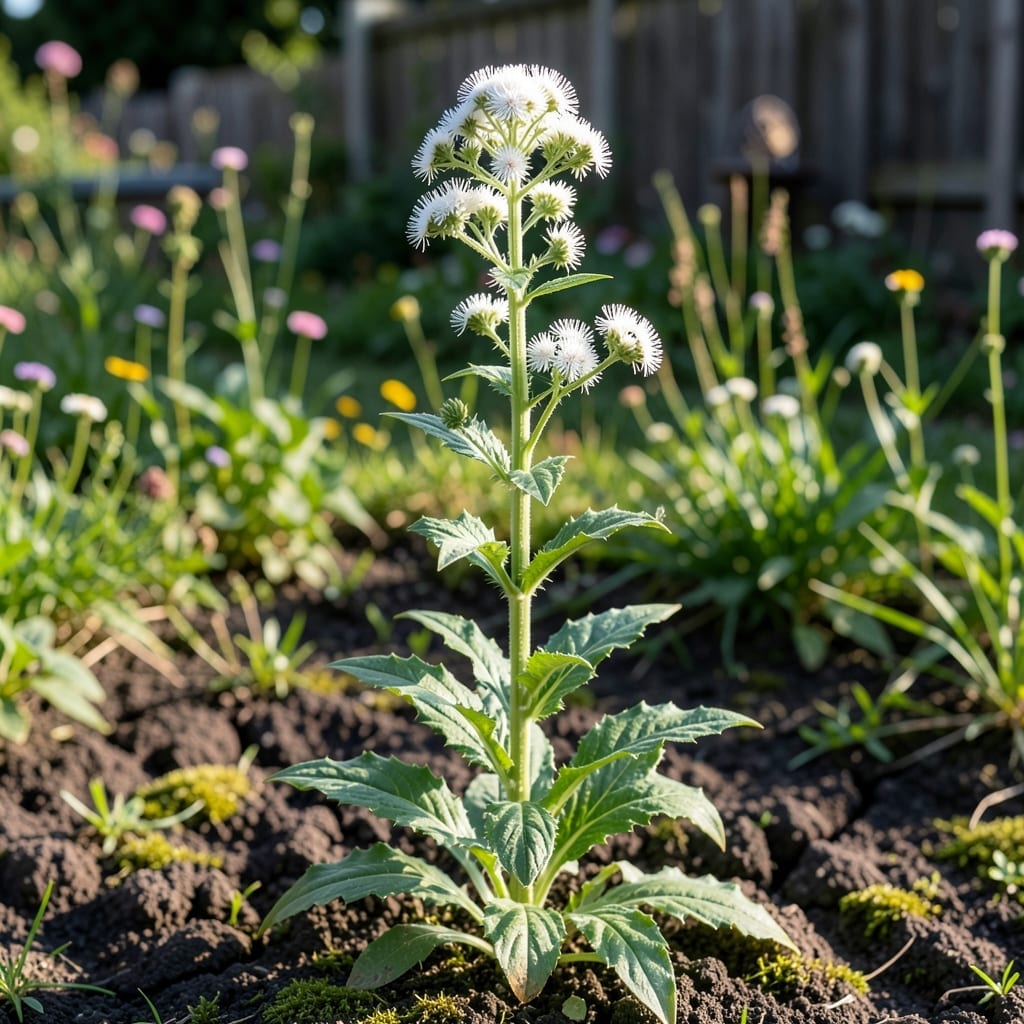
White snakeroot contains tremetol, a toxic compound that causes trembles, weakness, and even death in livestock and humans if ingested in large quantities.
I’ve seen firsthand how this plant’s toxins accumulate in milk when cows graze on it, leading to what’s known as “milk sickness” in humans. The tremetol interferes with cellular energy production, which explains the muscle tremors and fatigue. 🌿 Always check pastures and gardens for this deceptive perennial, especially in shaded, wooded areas where it thrives.
💡 In This Article
The plant produces tremetol as a natural defense against herbivores. This compound interferes with cellular metabolism, particularly targeting the mitochondria in muscle cells. The disruption prevents proper energy production, leading to muscle tremors and progressive weakness as cells starve for energy. 🔥
In livestock, symptoms typically appear 2-3 weeks after ingestion. You’ll first notice stiffness, followed by violent tremors that worsen with movement or stress. Cattle often develop a condition called “trembles” where they struggle to stand. Humans experience similar neurological effects, though cases are rarer due to the plant’s bitter taste discouraging consumption.
The toxicity accumulates in milk from affected animals, historically causing “milk sickness” in humans. Famous frontierswoman Abraham Lincoln’s mother died from this in 1818. The tremetol concentration remains potent even after drying, meaning hay containing white snakeroot remains dangerous for months. ✨
Interestingly, the plant’s toxicity varies by season and growing conditions. Drought-stressed plants often produce higher tremetol concentrations. The compound is most concentrated in the leaves, though all parts of the plant contain it. This adaptability in toxin production helps explain why white snakeroot persists in pastures despite its deadly reputation.
Wildlife generally avoids the plant due to its bitter taste, but domestic animals have no such instinct. A single 1-2 lb consumption can prove fatal for a 1000-lb cow. The delayed onset of symptoms makes diagnosis challenging, as the connection between ingestion and illness isn’t immediately apparent. 💫
It contains tremetol, a compound that disrupts cellular energy production. This leads to muscle tremors, weakness, and potentially fatal outcomes in animals and humans. Even small amounts can be harmful over time.
In livestock, symptoms usually develop within 2-3 weeks of ingestion. Early signs include stiffness and tremors that worsen with movement. Human cases are rare but can occur through contaminated milk or direct consumption.
Early removal from contaminated pastures can prevent further damage. However, recovery depends on the amount ingested and how quickly treatment begins. Severe cases may result in permanent damage or death.
While skin contact isn’t typically dangerous, it’s best to wear gloves and long sleeves when handling. Avoid inhaling plant particles during removal. Always wash hands thoroughly afterward.
Maintain healthy grass through regular mowing at 6-8 inches and consider planting competitive species like tall fescue. Monitor pastures closely, especially in shaded, moist areas where it thrives.