
Beautiful Plants For Your Interior
Beautiful Plants For Your Interior
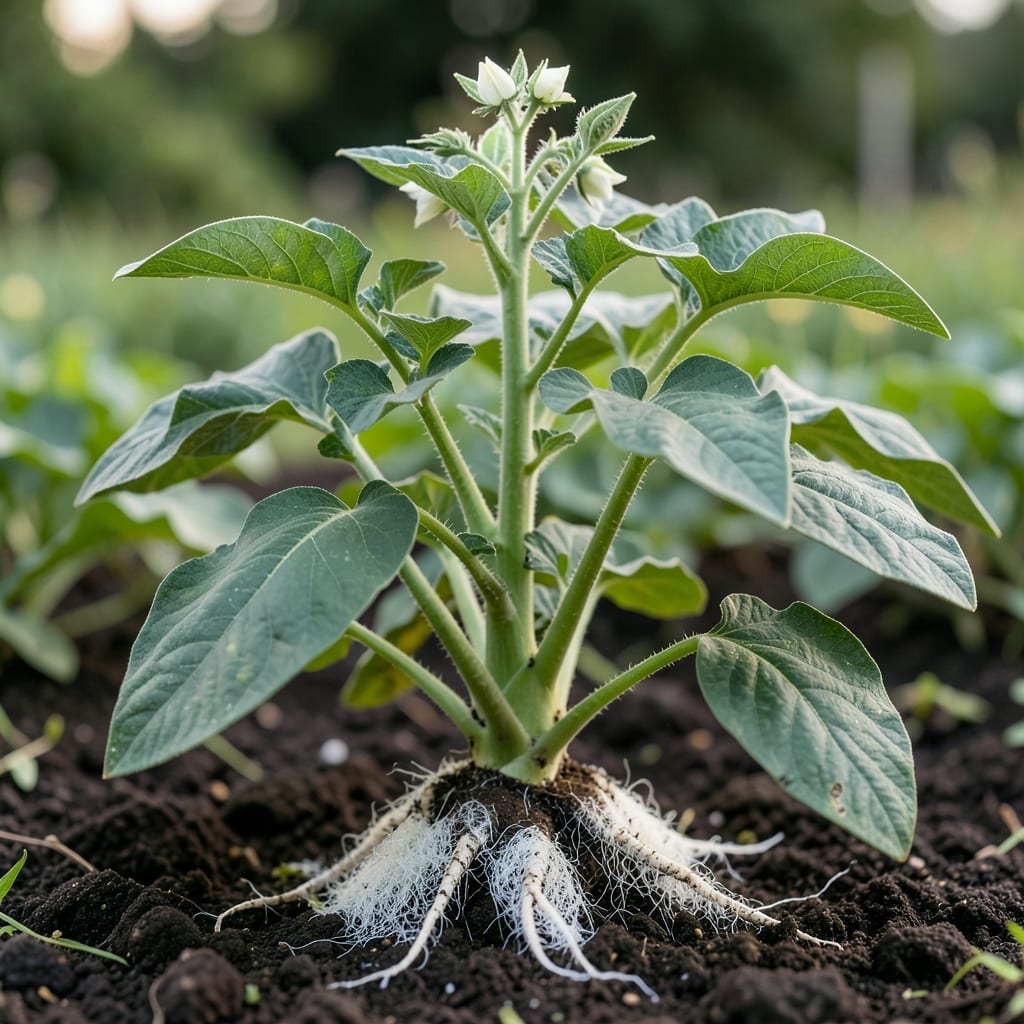
White roots shouldn’t look fuzzy or stringy. I first noticed the problem when my usually vigorous peppers started wilting, their roots coated in a cottony growth that spelled trouble.
This silent invader thrives in soggy soil and spreads fast through contaminated tools or water. The key is acting before it chokes your plants’ ability to absorb water and nutrients.
You can often save affected plants with immediate treatment and strict sanitation. I’ve rescued entire beds by catching it early and adjusting my watering habits.
Prevention comes down to drainage, clean tools, and choosing resistant varieties. Here’s how to spot it, stop it, and keep it from coming back.
Understanding the root causes of this fungal infection is key to prevention and treatment. Below are the primary triggers, explained in clear, actionable terms.
Excess moisture in the soil creates the perfect breeding ground for white root fungus. When water pools around roots, it reduces oxygen availability, stressing the plant and making it vulnerable to pathogens like Rosellinia necatrix or Armillaria species. Action: Improve drainage by amending soil with sand or organic matter and ensuring pots have drainage holes.
Fungal spores thrive in temperatures between 75–85°F (24–29°C) with high humidity. These conditions accelerate spore germination and root colonization. Action: Use mulch to regulate soil temperature and space plants properly to improve airflow. In greenhouses, employ dehumidifiers or ventilation systems.
The fungus often spreads through infected soil, reused pots, or unsterilized gardening tools. Even healthy plants can succumb if exposed to contaminated media. Action: Sterilize tools with a 10% bleach solution or rubbing alcohol, and use fresh, disease-free potting mix for new plantings.
Plants under stress—from over/under-watering, nutrient deficiencies, or physical damage—are more susceptible to fungal attacks. Compromised roots lack the vigor to fend off pathogens. Action: Maintain balanced watering, fertilize appropriately, and avoid root injury during transplanting or weeding.
When you spot the telltale signs, swift action is key. Below are targeted solutions for common causes, paired with prevention tips to keep your plants healthy long-term.
Fix: Stop watering immediately and let the soil dry out. Repot the plant in fresh, well-draining soil, and ensure the container has drainage holes. For severe cases, trim affected roots with sterilized scissors before repotting.
Prevention: Water only when the top inch of soil is dry. Use a moisture meter to avoid guesswork, and opt for pots with drainage holes. 💡 Pro tip: Add perlite or sand to the soil mix to improve drainage.
Fix: Remove the plant from its current soil, rinse the roots gently with water, and replant in sterile potting mix. Clean all gardening tools with a 10% bleach solution or rubbing alcohol to kill lingering spores.
Prevention: Always use pasteurized soil or bake garden soil at 200°F (93°C) for 30 minutes to kill fungi. Disinfect tools regularly, especially after pruning or repotting. 🎯
Fix: Improve ventilation by moving plants to a better-ventilated area or using a small fan to circulate air. Reduce humidity levels with a dehumidifier if necessary.
Prevention: Space plants apart to allow airflow, and avoid overcrowding. Prune dense foliage to improve circulation, and water early in the day so excess moisture evaporates quickly. ✨
Fix: Strengthen your plant’s defenses with a balanced, water-soluble fertilizer to boost its immune system. Remove heavily infected roots or foliage to prevent the fungus from spreading.
Prevention: Maintain a consistent care routine, including proper watering, lighting, and feeding. Avoid over-fertilizing, as excess nutrients can stress the plant. 💪
Look for white, fuzzy or stringy growth on roots. Plants may wilt, yellow, or show stunted growth. Gently dig around the base to check root condition without damaging them.
Remove from soil, rinse roots, and repot in fresh, sterile mix. Trim infected roots with sterilized tools. Stop watering until soil dries out.
No, always discard contaminated soil. Bake garden soil at 200°F for 30 minutes to kill spores if reusing is necessary. Sterilize pots with bleach solution.