
Beautiful Plants For Your Interior
Beautiful Plants For Your Interior
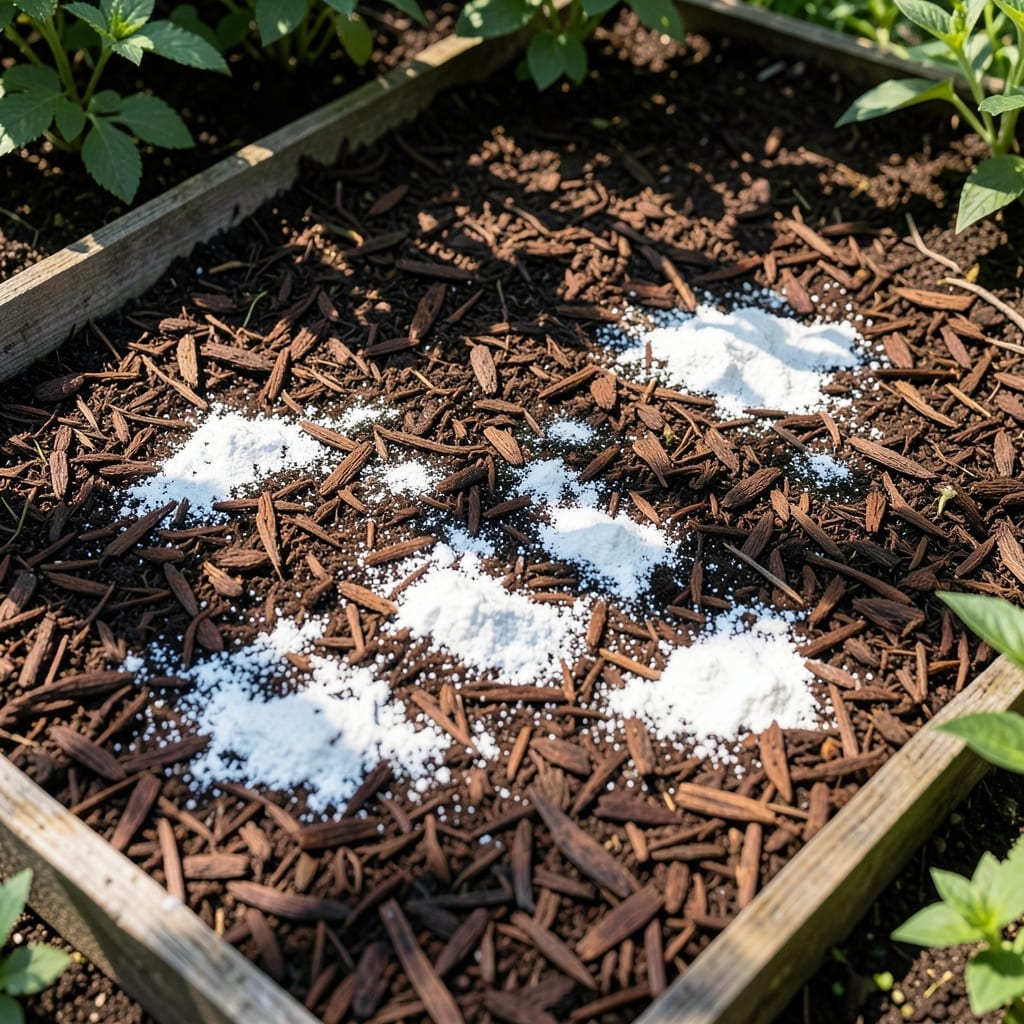
Spotted white powder on your mulch? It’s likely a fungal issue, but don’t panic—it’s common and fixable. I’ve dealt with this in my own garden, and the solution is simpler than you think.
This usually happens when mulch stays too wet or lacks airflow. The good news: a few adjustments to your routine can prevent it from spreading. Proper mulch depth (2-4 inches) and occasional turning make a big difference.
For treatment, organic options like neem oil or baking soda spray work wonders. I’ve tested both with great results, and they won’t harm your plants or soil.
Regular checks and a little maintenance keep your mulch looking clean and your garden thriving. Here’s how to tackle it head-on.
The white powder you see on mulch is usually a fungal growth, often caused by specific environmental conditions or biological activity. Below are the most common reasons it appears, explained in clear, actionable terms.
Mulch retains moisture, creating an ideal breeding ground for fungi like Saprophytic fungi. When organic mulch (e.g., wood chips or bark) stays damp for extended periods—due to poor drainage, overwatering, or high humidity—spores germinate and spread, forming a white, powdery or thread-like layer. This is nature’s way of breaking down organic matter, but it can look unsightly in your garden.
Warm temperatures (60–80°F) combined with high humidity accelerate fungal growth. If your mulch is in a shaded, poorly ventilated area, it traps moisture and heat, promoting the development of mycelium—the white, thread-like structures of fungi. Morning dew or frequent rain can also contribute to this issue.
Mulch made from untreated wood or plant debris naturally decomposes over time. During this process, fungi and bacteria break down the material, often producing a white, powdery residue as a byproduct. While this is a normal part of the ecosystem, excessive powder may indicate an overactive decomposition process, possibly due to nitrogen deficiency in the soil.
In rare cases, the white powder could be mineral deposits from hard water or fertilizers. If your water supply has high calcium or magnesium content, it can leave a chalky residue on mulch as it evaporates. Similarly, some slow-release fertilizers may create a temporary white film before dissolving into the soil.
If you’ve spotted white powder on your mulch, don’t panic—there are simple, effective ways to tackle it. Below are targeted solutions for the most common causes, along with prevention tips to keep your mulch looking fresh and healthy.
Fix: Start by raking the mulch to improve airflow and break up compacted areas where moisture traps. For stubborn mold, mix 1 part white vinegar with 1 part water and lightly spray the affected areas. Avoid over-saturating, as excess moisture worsens the issue. For severe cases, replace the top layer of mulch with fresh, dry material.
Prevention: 💡 Pro tip: Spread mulch in thin layers (2–3 inches max) and fluff it regularly to promote drying. Opt for coarse mulches like cedar or pine bark, which resist compaction better than fine shreds.
Fix: Rinse the mulch gently with water to dissolve and wash away salt or mineral buildup. If the deposits persist, test your soil’s pH—high alkalinity may require amending with sulfur or organic matter like compost to balance it out.
Prevention: Avoid using de-icing salts near mulched areas in winter. If you must, switch to calcium magnesium acetate (CMA), a less harmful alternative.
Fix: Remove heavily infested mulch and dispose of it in a sealed bag (not compost). Treat the area with a baking soda solution (1 tablespoon baking soda + 1 teaspoon dish soap + 1 gallon of water) to inhibit fungal spores. Reapply after rain.
Prevention: ✨ Key move: Space plants properly to improve air circulation, and water at the base (not overhead) to keep mulch dry. Choose disease-resistant mulches like hardwood chips.
Fix: Turn the mulch with a pitchfork to aerate and speed up drying. If the area stays soggy, consider adding a layer of gravel beneath the mulch to improve drainage.
Prevention: 🎯 Remember: Mulch should never feel waterlogged. Use a moisture meter to check levels, and adjust watering schedules for your climate.
It’s rarely harmful but can indicate an imbalance. Fungal growth competes with plants for nutrients, while mineral deposits may signal poor soil conditions. Address it promptly to keep your garden healthy.
Use coarse mulch and keep layers 2-3 inches thick. Turn it regularly and ensure proper drainage to reduce moisture buildup.
Avoid pressure washers—they can displace mulch and damage plants. Instead, use a gentle rinse or natural solutions like vinegar or baking soda.