
Beautiful Plants For Your Interior
Beautiful Plants For Your Interior
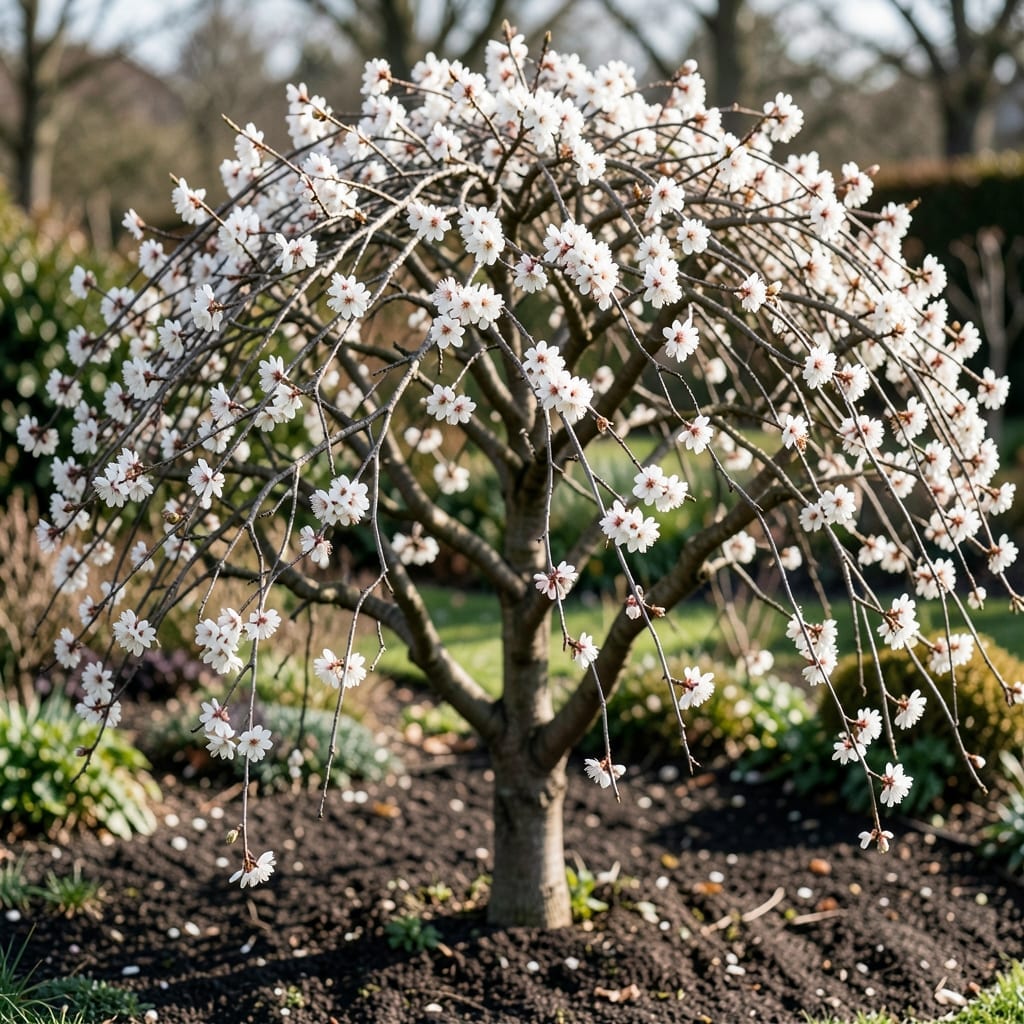
There’s nothing like the first fragrant blooms of spring to lift your spirits. I planted my first white plum blossom tree five years ago, and it’s been the highlight of my garden ever since.
These trees thrive in well-drained soil and full sun, rewarding you with clouds of delicate white flowers before the leaves even appear. The scent is incredible—sweet and subtle, carrying through the yard on a gentle breeze.
With minimal care—just occasional watering and light pruning—you’ll enjoy this ornamental beauty for decades. It’s the kind of tree that makes neighbors stop and ask, “What is that?”
Perfect for small yards or as a focal point in larger landscapes. Here’s how to make it flourish in your space.
The emergence of white plum blossoms is primarily driven by genetic, environmental, and seasonal factors. Below are the key reasons why these delicate flowers appear in their iconic pale hue.
Many plum tree varieties, such as Prunus cerasifera ‘Pissardii’ or Prunus mume, are bred to produce white blossoms naturally. These cultivars carry recessive genes that suppress pigment production (anthocyanins), resulting in pure white or near-white petals. If your plum tree consistently blooms white, it’s likely a cultivated trait passed down through generations.
Cooler spring temperatures can intensify white pigmentation by slowing down the production of colored pigments. Additionally, full sun exposure (6+ hours daily) often enhances the brightness of white blossoms, while shaded areas may yield slightly off-white or pale pink tones. Sudden temperature swings can also trigger stress responses, sometimes leading to paler-than-usual blooms.
Soil pH and nutrient levels play a subtle role. Neutral to slightly alkaline soil (pH 7.0–7.5) tends to favor white blossoms, while acidic conditions may shift hues toward pink or red. A lack of phosphorus or excessive nitrogen can also dilute pigment intensity, though this is less common in established plum trees.
Younger plum trees may produce lighter blossoms as they mature, with colors deepening over time. Conversely, stress from drought, disease, or poor pruning can cause blossoms to appear washed out. Ensuring consistent watering and proper care helps maintain vibrant, true-to-type white flowers.
If your white plum blossom tree isn’t thriving, these practical fixes will get it back on track. Addressing each issue early ensures vibrant blooms and a healthy plant.
Soggy roots often cause yellowing. Fix it: Amend heavy soil with compost or sand to enhance drainage. Plant in a raised bed if your garden retains too much water. Prevent it: Ensure pots have drainage holes and avoid overwatering—stick to a schedule of 1-2 times per week, depending on rainfall.
Aphids and scale insects love tender new growth. Fix it: Spray leaves with a mixture of water and mild soap, or introduce beneficial insects like ladybugs. For severe cases, apply neem oil at dusk. Prevent it: Inspect the tree regularly and remove debris around the base to deter pests.
Lack of flowers? The tree may need more sunlight or nutrients. Fix it: Prune nearby plants to allow at least 6 hours of direct sunlight daily. Use a balanced, slow-release fertilizer in early spring. Prevent it: Avoid high-nitrogen fertilizers, which promote leaf growth over blooms.
Late frosts can harm delicate blossoms. Fix it: Spread a 2-3 inch layer of mulch around the base to insulate roots. Cover young trees with frost cloth during cold snaps. Prevent it: Plant in a sheltered spot and choose cold-hardy varieties if you live in a cooler climate.
💡 Pro Tip: Always water at the base of the tree to keep foliage dry and prevent fungal diseases. A little care goes a long way in keeping your white plum blossom tree flourishing!
Late fall or early spring is ideal for planting. These periods allow the roots to establish before extreme summer heat or winter frost.
It thrives with 6+ hours of direct sunlight. Less light may result in fewer blooms and a weaker structure.
Well-drained soil with a neutral to slightly alkaline pH (7.0–7.5) works best. Avoid waterlogged areas.
Water deeply 1-2 times per week, adjusting for rainfall. Let the soil dry slightly between waterings.