
Beautiful Plants For Your Interior
Beautiful Plants For Your Interior
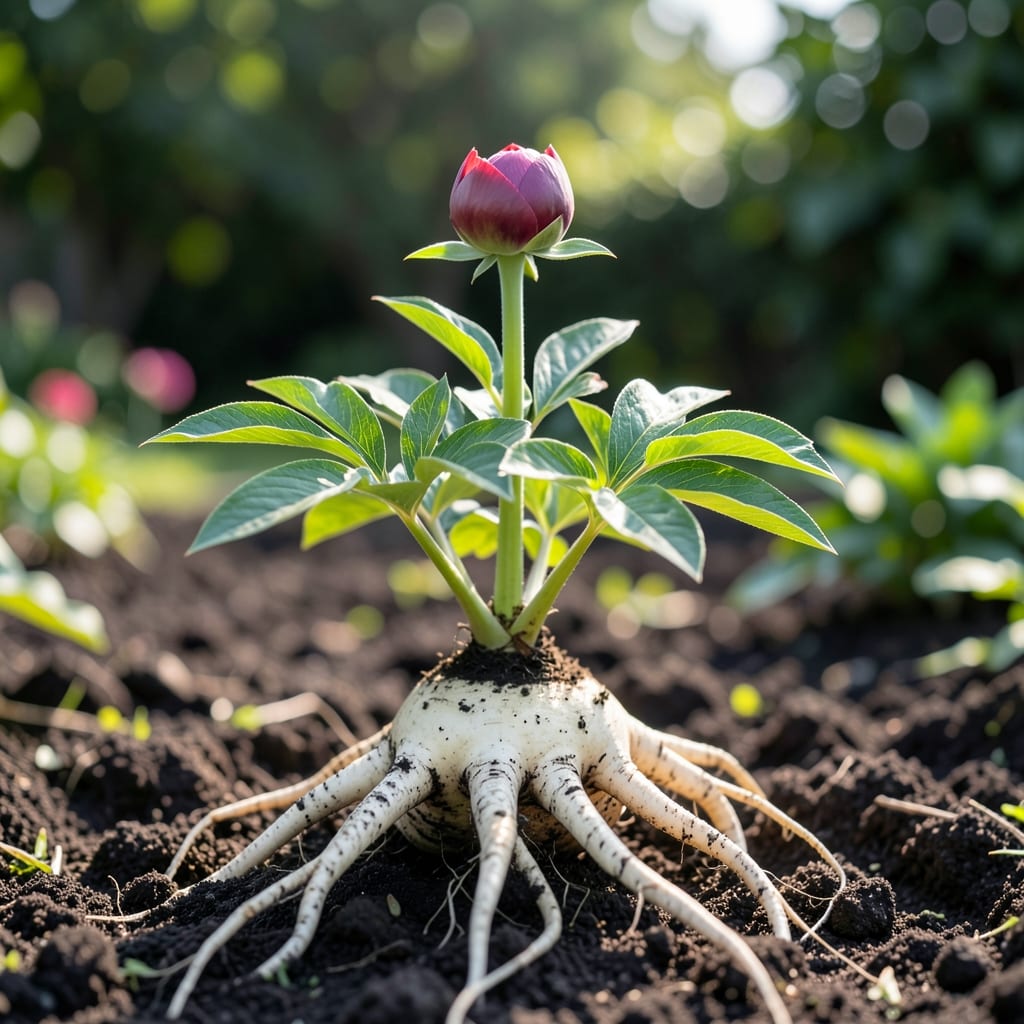
White peony roots hold the secret to years of stunning blooms. I’ve learned the hard way that proper planting depth—just 2 inches below soil—prevents rot and encourages strong stems.
With well-draining soil and full sun, these roots transform into lush, fragrant plants that return bigger every season. Patience pays off: expect the first blooms in 2-3 years.
📚 In This Guide
Here’s my proven method for establishing thriving peonies that produce lush blooms for decades to come.
Choose a location with full sun (at least 6-8 hours of direct sunlight daily) and well-draining soil. Peonies despise soggy roots, so avoid low-lying areas where water pools. I always test drainage by digging a 12-inch-deep hole, filling it with water, and ensuring it drains within 2-3 hours.
Amend the soil with compost or aged manure to improve fertility and structure. The ideal pH is 6.5-7.0—slightly alkaline. If your soil is heavy clay, mix in 2-3 inches of sand or perlite to prevent compaction. This prep work ensures roots establish quickly and resist disease.
Dig a hole wide enough to accommodate the root’s spread, about 18 inches in diameter. The depth is critical: position the root so the eyes (small pink buds) are no more than 1-2 inches below the soil surface. Planting too deep is the most common mistake—it delays blooming or prevents it entirely.
Backfill with amended soil, gently firming it around the root to eliminate air pockets. Water thoroughly to settle the soil, but avoid soaking. You’ll see new growth emerge in 4-6 weeks if conditions are ideal, signaling successful establishment.
After planting, apply a 2-3 inch layer of organic mulch, such as shredded bark or straw, to retain moisture and suppress weeds. Keep the mulch 6 inches away from the stem to prevent rot. Water deeply once a week unless rainfall provides 1 inch or more—peonies prefer consistent moisture but not waterlogged soil.
In the first year, prioritize root development over blooms. If buds form, I pinch them off to redirect energy into the root system. This sacrifice pays off in year two with stronger, more abundant flowers. Watch for first true leaves as confirmation the plant is thriving.
In early spring, apply a balanced, low-nitrogen fertilizer (e.g., 5-10-10) around the base, keeping it 3 inches from the stem. Avoid high-nitrogen formulas, which promote leafy growth at the expense of blooms. Reapply after flowering to support next year’s buds.
Stake young plants if needed, but mature peonies rarely require support. Divide clumps every 3-5 years in early fall if blooms diminish or the center dies out. This rejuvenates the plant and ensures continued vigor. You’ll notice healthier stems and larger flowers after division.
Cut back foliage in late fall after it yellows, removing all debris to prevent disease. This cleanup is non-negotiable—peonies are prone to fungal issues if old growth lingers.
These insights will help you avoid common pitfalls and grow stunning peonies.
Sunlight Essentials: The 6-8 hours of daily direct sunlight isn’t just a suggestion—it’s critical for abundant blooms. I learned this the hard way when my first planting in partial shade produced sparse, weak flowers. Position your peonies where they’ll get that full sun exposure, especially morning light which helps dry foliage and prevent disease.
Drainage Test: That 2-3 hour drainage test in Step 1 is your best insurance against root rot. If water doesn’t drain from your 12-inch hole within that timeframe, consider raised beds or amending with more perlite. Peonies can tolerate many conditions, but soggy roots will kill them every time.
Planting Depth: The 1-2 inch depth for the eyes mentioned in Step 2 is non-negotiable. Confession: I planted my first peony too deep and wondered for years why it never bloomed. Shallow planting might feel counterintuitive, but it ensures those pink buds can push through the soil each spring.
First Year Patience: When you see new growth emerge in 4-6 weeks as noted in Step 2, resist the urge to celebrate with blooms. Pinching off those first-year buds really does redirect energy to the roots. I know it’s hard to sacrifice potential flowers, but the payoff in year two is exponential.
Plant white peony roots in early fall (September to October) for best results. This allows roots to establish before winter. Spring planting is possible but may delay blooming by a year.
Ensure good drainage, avoid overhead watering, and space plants properly for airflow. Remove diseased foliage promptly and apply fungicide if needed to prevent common issues like botrytis blight.
Yes! Choose a large container (at least 12-16 inches deep) with drainage holes. Use well-draining soil and ensure the container gets 6+ hours of sunlight daily.
Common reasons include insufficient sunlight, over-fertilizing (especially with high nitrogen), or planting too deeply. Ensure the crown is no more than 2 inches below soil level.