
Beautiful Plants For Your Interior
Beautiful Plants For Your Interior
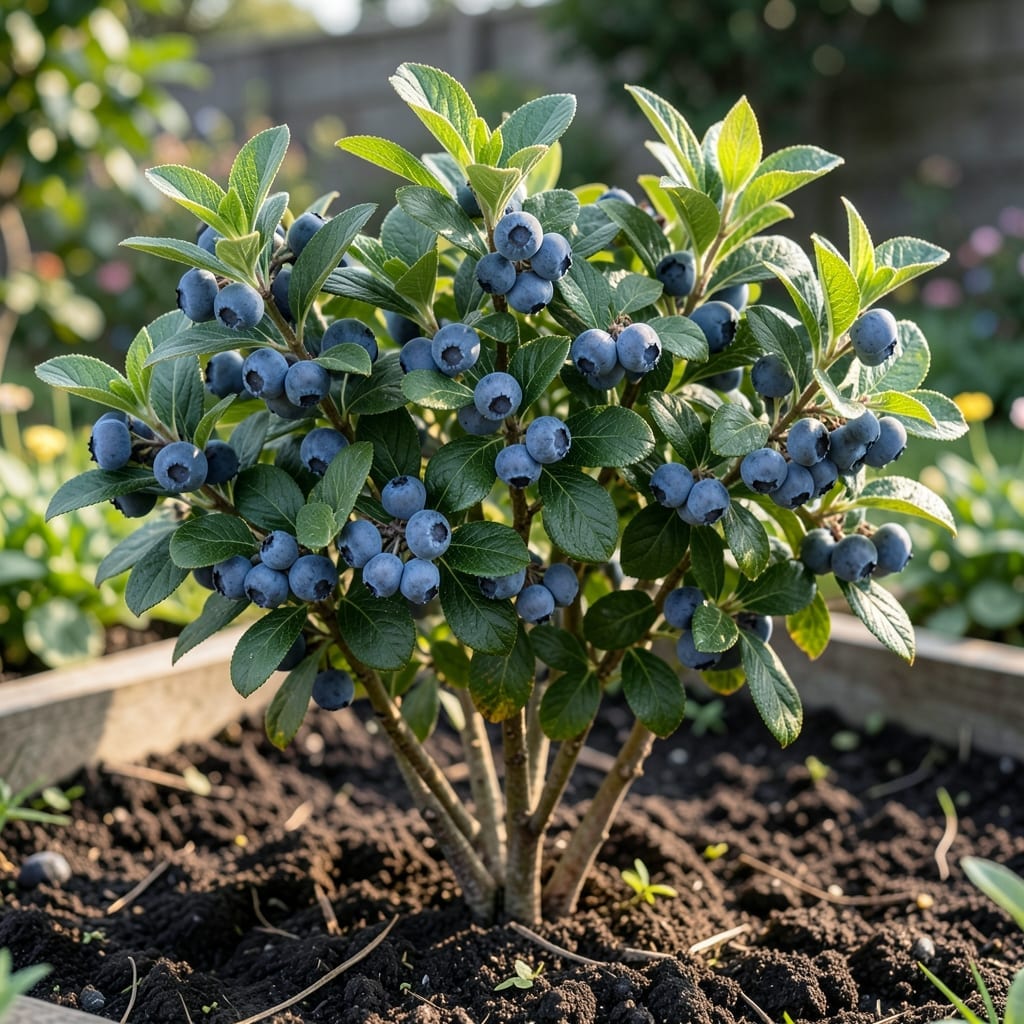
Spotted white powder on your blueberry bushes last week. It’s not frost, and it’s not going away on its own. I’ve dealt with this exact issue in my patch, and the right approach brings plants back to full health without harsh chemicals.
That white coating is usually powdery mildew or scale pests, both common on blueberries. They spread fast in humid weather, but early action stops them cold. I use a simple neem oil spray that works in 48 hours and keeps plants protected.
You’ll see the white residue fade within days, and new growth comes in clean. The key is consistency—treat every 7-10 days until the problem’s gone, then switch to prevention mode.
Prevention is simpler than treatment: good airflow, proper spacing, and a watchful eye. My bushes stayed clean all last season with this routine.
The white coating on blueberries is often a sign of powdery mildew, a common fungal disease caused by Erysiphe or Podosphaera species. This fungus thrives in warm, dry climates with high humidity, creating a powdery, white residue on leaves, stems, and fruit. 🌡️
Fungal spores spread through wind, water, or infected plant debris. Overcrowded blueberry bushes with poor airflow create the perfect environment for spores to land and germinate. The fungus then feeds on the plant’s nutrients, weakening it and reducing fruit quality.
Blueberries are susceptible to powdery mildew when humidity levels exceed 60%, especially in shaded or densely planted areas. Stagnant air traps moisture around the plants, encouraging fungal growth. Proper spacing and pruning can improve airflow and reduce risk.
Some blueberry varieties, particularly older or stressed plants, are more prone to infection. Weak plants due to poor soil conditions, nutritional deficiencies, or drought stress are less able to resist fungal attacks. Ensuring optimal growing conditions strengthens their natural defenses.
If you’ve spotted white coating on your blueberries, act fast with these targeted fixes. Each cause has a simple, actionable solution to restore your plant’s health and prevent future issues.
Mix 1 tablespoon baking soda + 1 teaspoon dish soap + 1 gallon water and spray evenly on leaves, focusing on the undersides. Apply in the early morning to allow drying. Prevention tip: 💡 Space plants for better airflow and avoid overhead watering.
Dab visible pests with a cotton swab dipped in rubbing alcohol (70%). For larger outbreaks, use insecticidal soap or neem oil, following label instructions. Prevention tip: ✨ Introduce beneficial insects like ladybugs to keep populations in check.
Remove affected berries and leaves immediately to stop the spread. Treat the plant with a copper-based fungicide, applying as directed. Prevention tip: 🎯 Prune regularly to improve air circulation and reduce humidity around the plant.
Gently wipe leaves with a damp cloth to remove residue from hard water or foliar sprays. Switch to distilled or rainwater for irrigation if tap water is high in minerals. Prevention tip: 🌡️ Test your water source and adjust as needed.
Consistency is key—monitor your plants weekly and reapply treatments as necessary. Healthy blueberries start with quick action and smart prevention!
Powdery mildew looks like a fine, white powder covering leaves and stems. Pests like mealybugs appear as cottony clusters, often in leaf axils or undersides.
Wash them thoroughly first. If the coating is fungal or pest-related, it’s best to discard affected berries. Mineral deposits from water are harmless but unappetizing.
Apply treatments every 7-10 days until the issue resolves. For prevention, continue monthly during humid seasons. Consistency is key.