
Beautiful Plants For Your Interior
Beautiful Plants For Your Interior
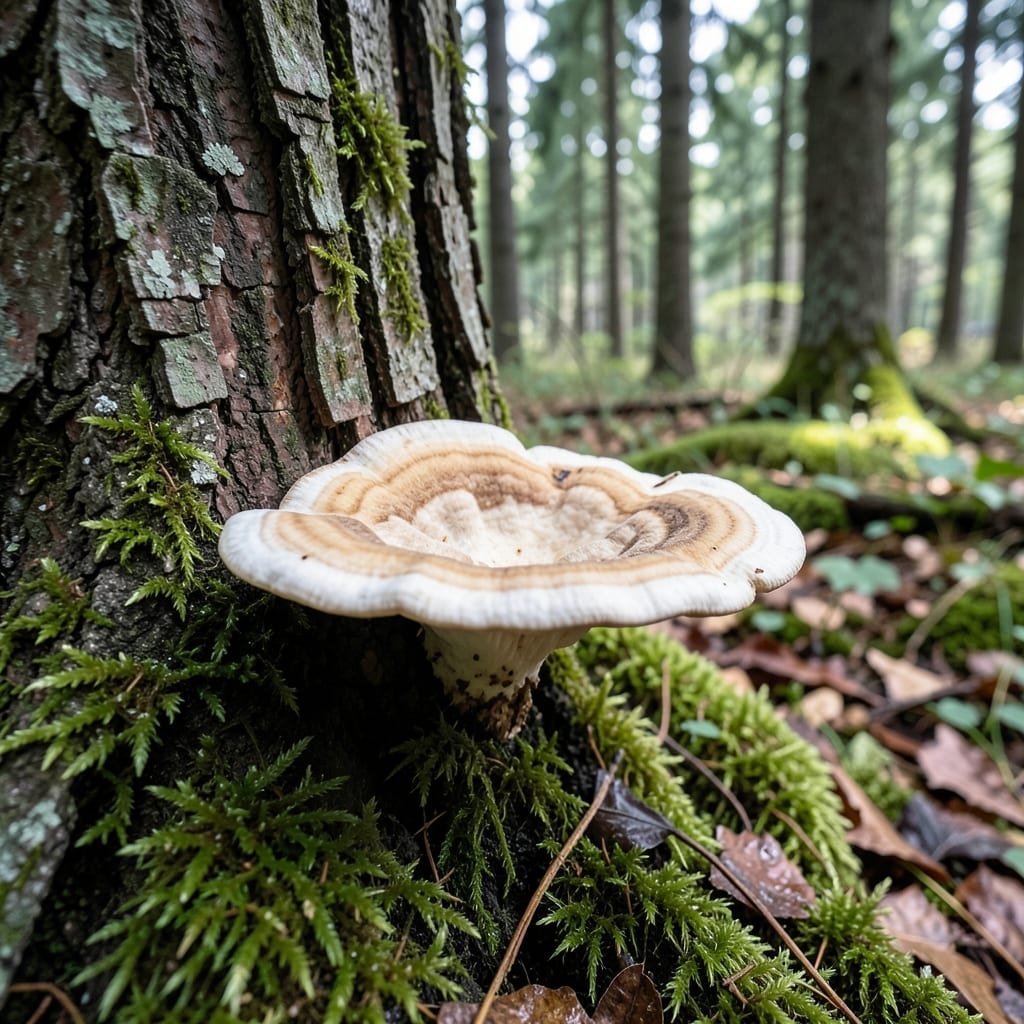
Spotting white mushrooms on your trees can be startling. I’ve seen these pop up overnight, looking like nature’s own decoration, but they often signal something deeper happening with your tree.
Some species are harmless, breaking down dead wood naturally. Others, though, can indicate decay or disease spreading through the tree. It’s not always bad news—just a sign to pay closer attention.
Before you consider harvesting, remember this: never eat wild mushrooms unless you’re absolutely certain of their identity. Many look-alikes are deadly, and mistakes can be fatal.
Identifying the type and understanding its role helps you decide whether to remove it or let nature run its course. Here’s how to tell the difference safely.
White mushrooms thriving on trees aren’t random—they’re a fascinating result of nature’s recycling system. These fungi, often saprotrophic, play a key role in breaking down dead or decaying wood. Here’s a look at the primary reasons they appear on trees:
Most white mushrooms on trees are saprophytes, meaning they feed on decomposing organic material. When a tree is injured, diseased, or dead, its wood becomes a rich food source for fungi. Species like Trametes versicolor (Turkey Tail) or Pleurotus ostreatus (Oyster Mushroom) colonize the wood, breaking down lignin and cellulose with enzymes. This process accelerates nutrient cycling in forests.
Healthy trees can resist fungal growth, but stress from drought, pests, or physical wounds (e.g., broken branches) weakens their defenses. Fungi spores, carried by wind or insects, land on exposed wood and germinate. White mushrooms may signal underlying issues like root rot or heartwood decay, often caused by pathogens such as Ganoderma or Armillaria.
Fungi thrive in damp environments. Trees in shady, humid climates or those with poor drainage retain moisture, creating ideal conditions for mushroom growth. After heavy rain or in consistently wet seasons, white mushrooms like Schizophyllum commune (Split Gill) often emerge on bark or wounds, as hydration triggers spore germination and mycelium expansion.
Some white mushrooms form mycorrhizal partnerships with trees, exchanging nutrients for sugars. While less common on the trunk itself, species like Russula or Lactarius may appear near the base, indicating a mutualistic bond. These fungi help trees absorb water and minerals, though their above-ground fruiting bodies (mushrooms) are typically found in soil.
Understanding these causes helps foragers and arborists identify safe, edible species while recognizing potential tree health issues. Always confirm edibility with an expert before consumption!
If you’ve spotted a white mushroom growing on trees and want to address it, follow these practical steps to remove it safely while preventing regrowth. These fungi, often saprophytic or parasitic, can weaken trees if left unchecked. Here’s how to tackle the issue effectively:
Use clean, sharp pruning shears to remove branches hosting the mushrooms. Cut at least 6–12 inches below the affected area to ensure you’ve removed all fungal threads (mycelium). Sterilize your tools with rubbing alcohol between cuts to avoid spreading spores.
Prevention tip: Disinfect pruning tools after each use and dispose of infected wood far from healthy trees.
Fallen leaves, bark, and dead wood create a breeding ground for fungi. Rake and remove all organic debris around the tree’s base. Bag and discard it—do not compost, as this can spread spores.
Prevention tip: Maintain good airflow around the tree by thinning crowded branches annually.
For persistent or harmful species (like Armillaria or Ganoderma), apply a copper-based fungicide to the pruned areas and surrounding soil. Follow the product instructions carefully, as overuse can harm the tree or environment.
Prevention tip: Avoid overwatering—excess moisture encourages fungal growth. Water trees at the base, not the foliage.
A strong tree resists fungal infections better. Fertilize in early spring with a balanced formula, and mulch (but keep mulch 2–3 inches away from the trunk) to retain moisture without suffocating the roots.
Prevention tip: Inspect trees regularly for early signs of mushrooms or decay, especially after heavy rains.
While most are harmless, some can cause skin irritation. Always wear gloves when handling wild fungi.
Never guess! Some deadly look-alikes resemble safe varieties. Consult a mycologist or use a field guide.
Gentle removal won’t hurt a healthy tree. Focus on pruning infected branches and cleaning debris.
Moisture triggers spore germination. Damp conditions create ideal growth environments for fungi.