
Beautiful Plants For Your Interior
Beautiful Plants For Your Interior
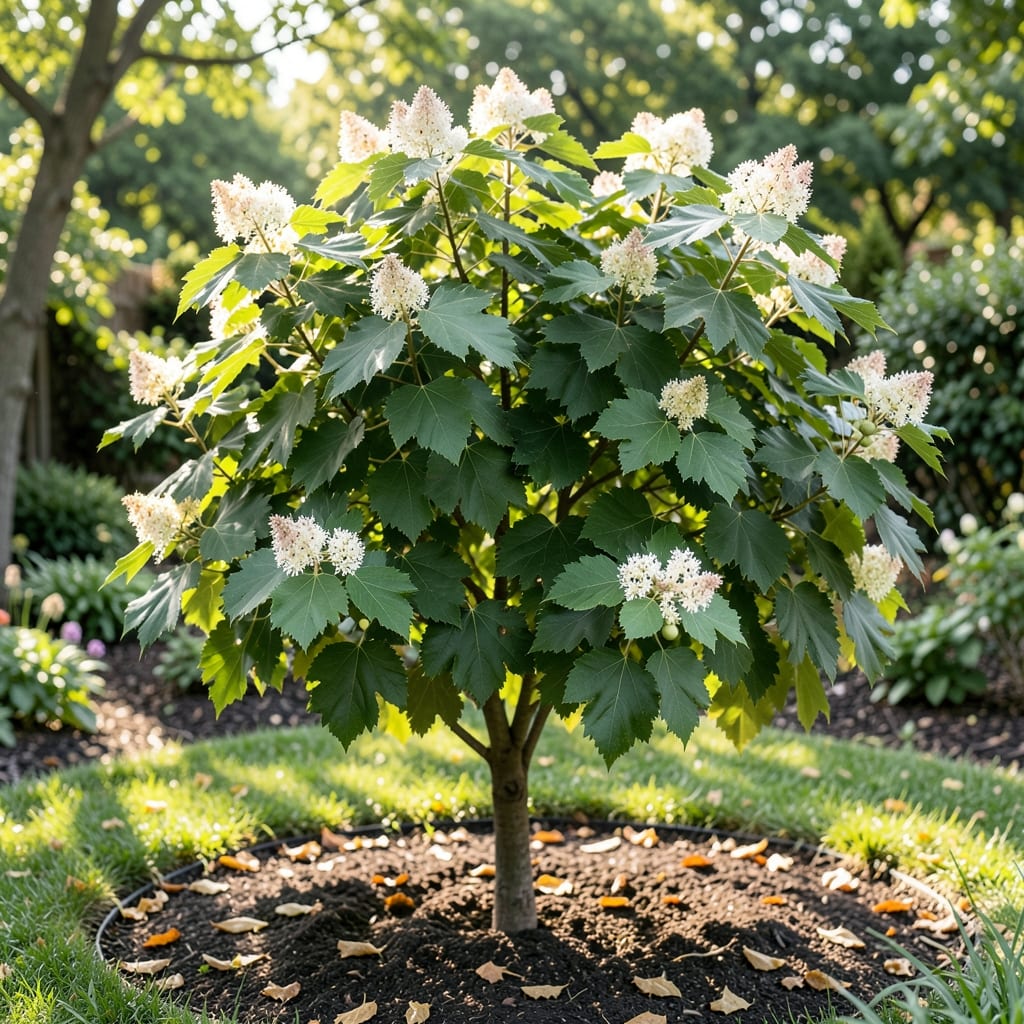
White mulberry offers antioxidant and anti-inflammatory benefits, supports heart health, and may help regulate blood sugar. Its leaves and berries are rich in vitamins, minerals, and compounds like resveratrol and flavonoids.
I’ve found its DNJ content particularly fascinating—this compound helps slow carbohydrate absorption, which is why it’s often used in natural blood sugar management. Traditional medicine has long valued the plant for its ability to soothe throat irritation and support metabolic health. The berries themselves pack a punch with vitamin C and iron, making them a nutrient-dense addition to any diet. 💫
💡 In This Article
The power of white mulberry lies in its unique bioactive compounds. The leaves contain 1-deoxynojirimycin (DNJ), a natural alpha-glucosidase inhibitor that slows carbohydrate digestion in the small intestine. This mechanism helps prevent blood sugar spikes after meals, making it particularly valuable for those managing type 2 diabetes.
Anthocyanins in the berries provide another layer of benefit. These pigments give the fruit its deep purple color and act as potent antioxidants, neutralizing free radicals at a rate 3-4 times higher than vitamin C. Studies show these compounds reduce oxidative stress markers like malondialdehyde by up to 40% in regular consumers. ✨
Traditional Chinese medicine has used white mulberry for centuries to tonify the yin and nourish the blood. Modern research confirms its leaves contain quercetin-3-O-glucoside and kaempferol, flavonoids that support cardiovascular health by improving endothelial function and reducing LDL cholesterol oxidation.
The berries themselves are a nutritional powerhouse, offering 180% of the daily value of vitamin C per 100g serving. This high concentration enhances iron absorption from plant-based foods, making white mulberry an excellent addition to vegetarian diets. The fruit’s low glycemic index (25) also makes it a smart choice for blood sugar management. 🔥
What sets white mulberry apart from other superfoods is its dual action. While the leaves work primarily on glucose metabolism, the berries provide a spectrum of antioxidants that protect cells from damage. This complementary relationship makes the entire plant valuable in both preventative and therapeutic applications.
Its leaves contain DNJ, a compound that slows carbohydrate absorption, helping prevent blood sugar spikes after meals. This makes it useful for managing type 2 diabetes naturally.
Yes, ripe white mulberries are completely edible raw. They’re packed with vitamin C and antioxidants, offering 180% DV of vitamin C per 100g. Just wash them thoroughly first.
Steep 1-2 teaspoons of dried leaves in hot water for 5-10 minutes. This tea is traditionally used to support healthy blood sugar levels.
Keep them in airtight containers away from light and moisture. Properly stored, they retain potency for up to 1 year.