
Beautiful Plants For Your Interior
Beautiful Plants For Your Interior
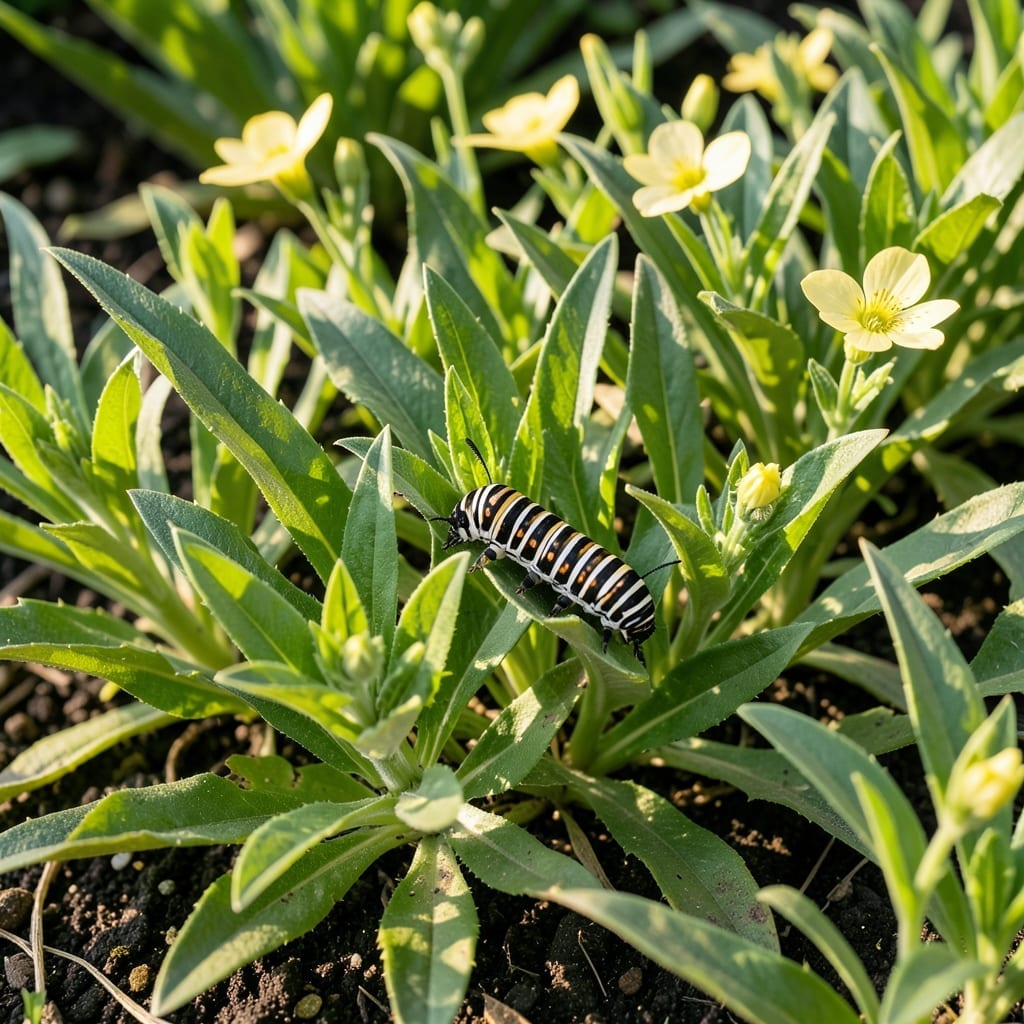
They look harmless until your tomato plants disappear overnight. I first spotted white lined sphinx caterpillars last August—they stripped my garden bare in 48 hours, leaving only stems behind.
These hornworm imposters start as eggs on host plants, then grow into 3-inch green caterpillars with white stripes. Their appetite matches their size: one can devour entire leaves in minutes, targeting tomatoes, peppers, and even weeds.
Here’s the thing—handpicking works if you catch them early. But their camouflage makes them tricky to spot until the damage is done. Natural predators like parasitic wasps help, but prevention starts with vigilance.
You’ll reclaim your garden by combining daily inspections with targeted organic controls. The key is acting before they mature and multiply.
The white-lined sphinx moth, Hyles lineata, becomes a garden nuisance due to a combination of environmental and behavioral factors. Understanding these triggers helps in devising effective prevention strategies.
The larvae, or hornworms, thrive on specific plants like tomatoes, peppers, and evening primrose. These hosts provide abundant food, encouraging moths to lay eggs nearby. Gardens with dense plantings of these species are at higher risk.
Native to temperate and subtropical regions, these moths flourish in warm, dry climates. Temperatures between 75–90°F (24–32°C) accelerate their life cycle, leading to rapid population growth.
Adult moths are nocturnal, laying eggs under the cover of darkness. This behavior makes early detection difficult, allowing infestations to establish before visible damage appears.
Strong fliers, these moths can travel long distances with the help of wind. Gardens near open fields or undisturbed natural areas are more susceptible to migrating adults.
Dealing with white lined sphinx moths in your garden? Here’s how to tackle the issue head-on with practical fixes for the most common problems.
If you spot the large, horned caterpillars (larvae of the white lined sphinx), remove them by hand early in the morning or evening when they’re most active. Drop them into a bucket of soapy water to ensure they don’t return. Prevention tip: Inspect plants daily, especially tomatoes, potatoes, and other nightshades, to catch infestations early.
Encourage beneficial insects like parasitic wasps, ladybugs, and lacewings, which prey on sphinx moth eggs and larvae. Plant nectar-rich flowers (e.g., dill, fennel, or alyssum) to attract them. Prevention tip: Avoid broad-spectrum pesticides, as they harm these helpful allies.
For severe infestations, use neem oil or Bacillus thuringiensis (Bt)—a natural bacteria that targets caterpillars without harming other insects. Spray in the early morning or late evening for best results. Prevention tip: Reapply after rain to maintain effectiveness.
If sphinx moths are a recurring problem, rotate vulnerable plants yearly to disrupt their life cycle. Prevention tip: Avoid planting the same family (e.g., solanaceae) in the same spot consecutively.
White lined sphinx moths lay eggs on weeds like lambsquarters and pigweed. Keep your garden weed-free and clear of plant debris to reduce breeding grounds. Prevention tip: Till the soil in fall to expose and destroy overwintering pupae.
Pro tip 💡: Monitor moth activity with pheromone traps to catch adults before they lay eggs. Combine these methods for a long-term, chemical-free solution!
Look for 3-inch green caterpillars with white stripes and a black horn. Check undersides of leaves, especially on tomatoes and peppers. Early detection prevents major damage.
They prefer nightshades like tomatoes, peppers, and potatoes. Also watch evening primrose and weeds like lambsquarters. Rotation helps disrupt their cycle.
No! Bt (Bacillus thuringiensis) and neem oil work well organically. Handpicking and encouraging predators like wasps are also effective.
Inspect plants at dawn or dusk when caterpillars are most active. Use a flashlight for night checks since moths lay eggs after dark.