
Beautiful Plants For Your Interior
Beautiful Plants For Your Interior
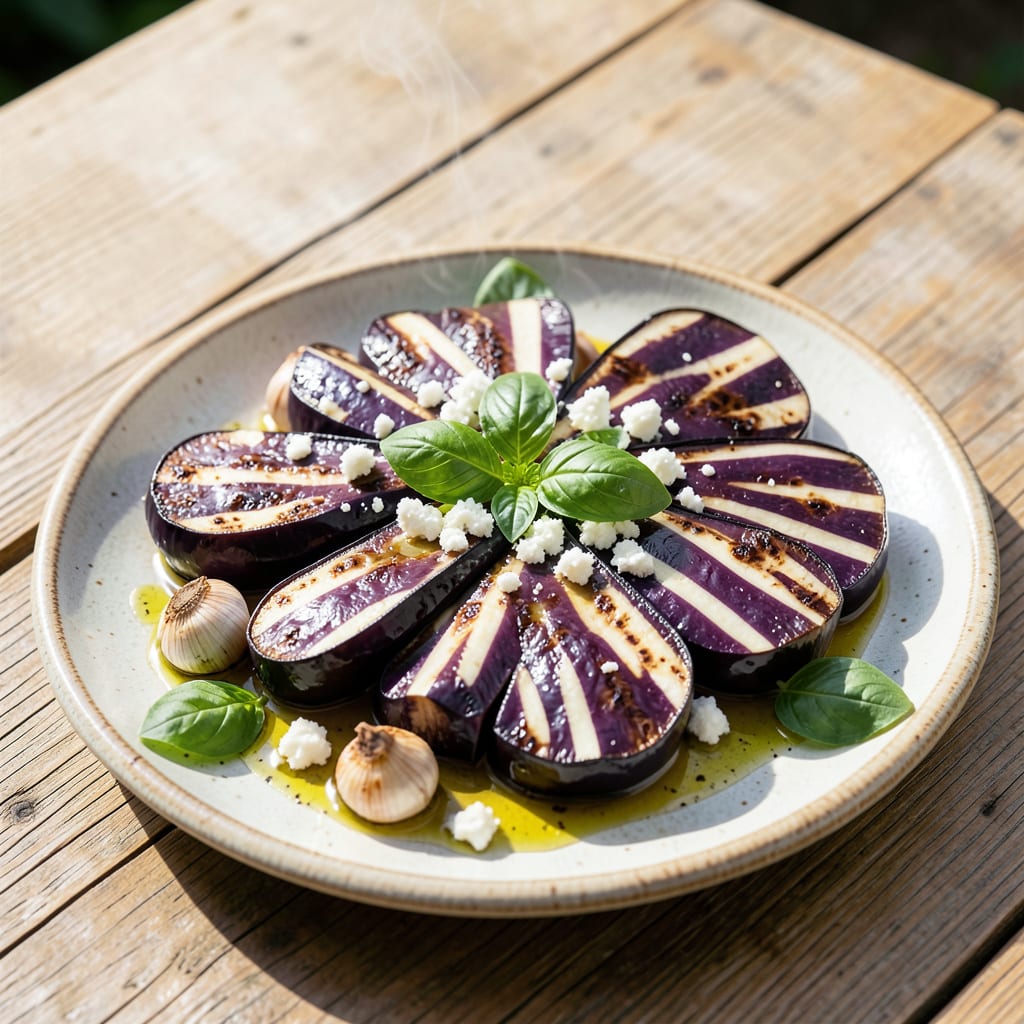
Those white-striped eggplants caught my eye too—turns out they’re just as easy to grow as the classic purple ones. I planted my first batch last summer and was shocked by how quickly they took off.
They need full sun, consistent water, and well-draining soil, just like their cousins. The stripes are purely visual, not a sign of different care. In 60-70 days, you’ll have striking, productive plants that stand out in any garden.
📚 In This Guide
Here’s the method I use to grow and care for striped eggplants—tested and true for vibrant, healthy plants.
Start by confirming you’re growing a striped variety like ‘Listada de Gandia’ or ‘Turkish Orange’. These types display white or cream vertical stripes that deepen as the fruit matures. Check seed packets or plant tags for the exact name.
If your eggplant lacks stripes, it might be a different cultivar—some varieties develop faint stripes only under specific light conditions. I’ve found that full sun exposure intensifies the contrast between the purple and white coloring.
Eggplants thrive in loose, nutrient-rich soil with a pH between 5.5 and 6.5. Amend garden beds with aged compost or well-rotted manure before planting. For containers, use a high-quality potting mix with added perlite for drainage.
Space plants 18-24 inches apart to allow for air circulation and reduce disease risk. I always plant mine in raised beds to ensure root warmth—eggplants hate cold, soggy soil.
Water deeply once or twice a week, ensuring the soil stays evenly moist but never waterlogged. Use a soaker hose or drip irrigation to keep foliage dry and prevent fungal issues. Mulch with straw to retain moisture and suppress weeds.
These plants demand full sun (6-8 hours daily). Without it, fruits may not develop their characteristic stripes, and growth will be stunted. If your garden lacks sun, consider growing in containers that can be moved to follow sunlight.
Apply a balanced, slow-release fertilizer at planting, then side-dress with compost tea every 3-4 weeks. Eggplants are heavy feeders, and consistent nutrition keeps them productive.
Stake or cage plants early—striped varieties often produce large, heavy fruits that can weigh down branches. I use bamboo stakes and soft ties to support the main stems without damaging them.
Watch for flea beetles, aphids, or spider mites, which target eggplants. Handpick pests or use neem oil if infestations occur. Regularly inspect the undersides of leaves for early signs of trouble.
Harvest when fruits are firm, glossy, and the stripes are vivid. Use a sharp knife to cut the fruit, leaving a 1-inch stem attached. Don’t wait too long—overripe eggplants develop bitter flavors and tough skins.
These small but vital adjustments will help you grow the most vibrant striped eggplants possible.
Variety Verification: In Step 1, double-check your seed packets or plant tags for striped varieties like ‘Listada de Gandia’ or ‘Turkish Orange’. Some cultivars only show faint stripes under ideal light, so full sun exposure is non-negotiable for that vivid contrast. I learned this after planting what I thought was a striped variety, only to end up with solid purple fruit.
Soil Preparation: The pH range of 5.5 to 6.5 mentioned in Step 2 is critical for nutrient uptake. I test my soil annually and amend with lime or sulfur as needed. Raised beds work wonders for root warmth, which striped eggplants adore—cold, waterlogged soil will stunt their growth and dull their stripes.
Sunlight and Watering: Step 3 emphasizes full sun for 6-8 hours daily, and I can’t stress this enough. Without it, your eggplants won’t develop their signature stripes, and the fruit will be smaller. Pair this with deep watering once or twice a week, ensuring the soil stays moist but not soggy. A soaker hose is my go-to for keeping foliage dry.
White stripes on eggplants are usually a natural variety trait, like in the ‘Listada de Gandia’ heirloom. However, uneven watering or nutrient deficiencies (e.g., magnesium) can also cause striping. Check soil consistency and fertility if the stripes appear suddenly.
Yes! Most white-striped eggplants are edible and delicious, especially heritage varieties. Just ensure the flesh is firm and the skin is smooth. Avoid eating if the stripes are accompanied by mold, soft spots, or a foul odor.
For consistent color, maintain even watering (1-2 inches per week) and balanced soil nutrients. Use mulch to retain moisture and test soil for deficiencies. If stripes are natural to the variety, no action is needed—enjoy the unique look!
If you prefer solid colors, try ‘Black Beauty’ (deep purple) or ‘Ichiban’ (glossy dark purple). For something different, ‘Rosa Bianca’ offers a creamy, striped appearance with a milder taste.
