
Beautiful Plants For Your Interior
Beautiful Plants For Your Interior
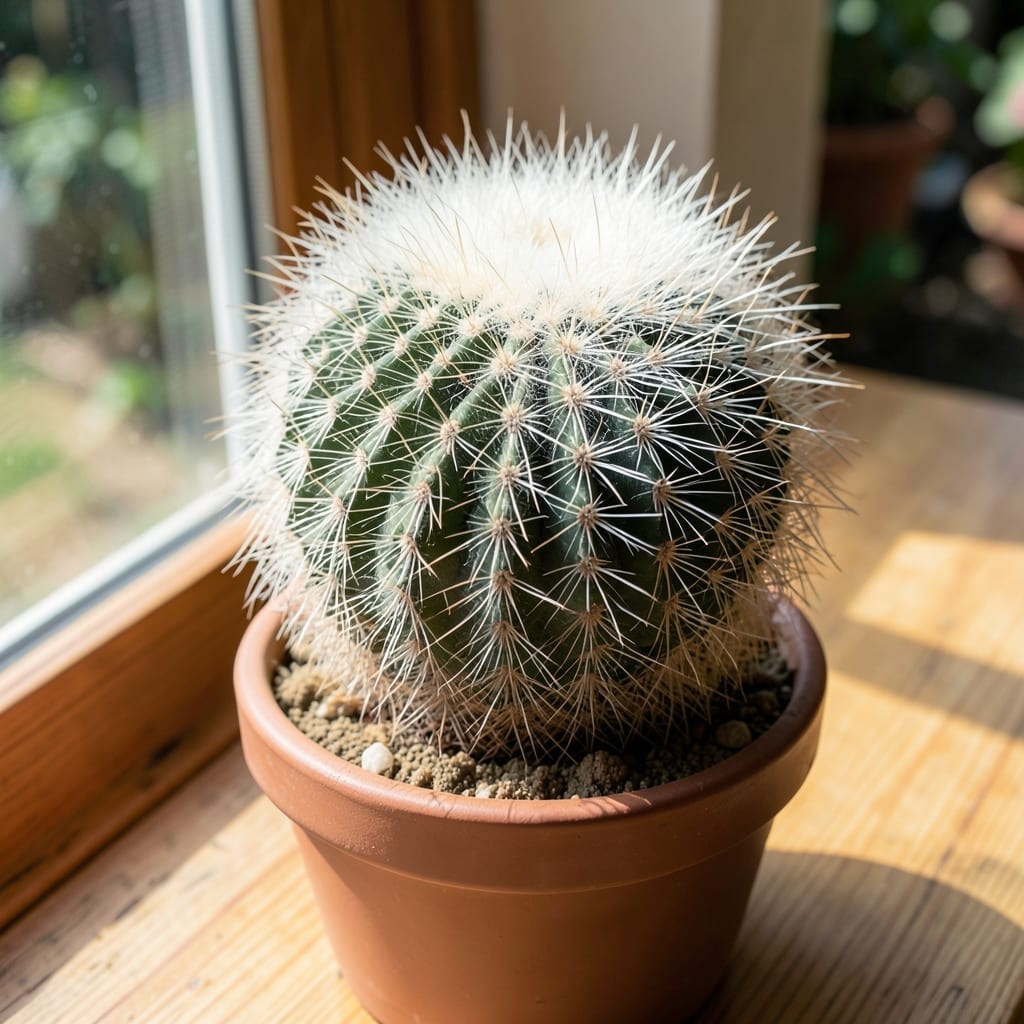
White fuzz on your plants isn’t just unsightly—it’s a warning sign. I’ve seen this in my own garden, and it usually means pests or disease are moving in fast.
Mealybugs, powdery mildew, or even spider mites can create that cottony white growth. The key is catching it early before it spreads to healthy foliage.
With a few simple checks and organic treatments, you can stop the problem in its tracks. I’ve saved countless plants by acting quickly.
No harsh chemicals needed—just targeted care and a little patience. Your plants will thank you with vibrant new growth.
White, hair-like growths on plants often signal an underlying issue. Here are the most common causes, explained simply but scientifically.
Many white, fuzzy growths are mycelium from fungi like Botrytis cinerea (gray mold) or Sclerotinia. These thrive in high humidity and poor air circulation, breaking down plant tissue. Spores land on leaves, germinate, and spread as white “hairs” or cottony masses. Action: Improve airflow, reduce moisture, and remove infected parts immediately.
Whitefly larvae, aphids, or mealybugs can create white, hair-like clusters. Mealybugs, for example, secrete a waxy substance that resembles cottony tufts. They pierce plant cells to feed, weakening the plant and leaving sticky residue. Action: Wipe leaves with soapy water or introduce natural predators like ladybugs.
Extreme conditions—like overwatering or nutrient deficiencies—can trigger abnormal growths. For instance, edema (from excessive water uptake) may cause white, hair-like outgrowths on leaf undersides. Action: Adjust watering schedules and ensure balanced fertilization (e.g., calcium for cell wall strength).
Some plants, like Cotton or Edelweiss, naturally produce white, hair-like structures (trichomes) for protection or insulation. These are harmless and species-specific. Action: Confirm your plant’s variety—no treatment needed if it’s a normal trait!
If you’ve spotted white, hair-like growths on your plants, don’t panic—there are simple, organic ways to address the problem. Below are targeted solutions for the most common causes, along with prevention tips to keep your garden thriving.
White fungal threads (like Sclerotinia or mildew) thrive in damp, still conditions. Fix it: Prune overcrowded foliage to boost airflow, and water at the base of the plant in the morning so leaves dry quickly. Remove and dispose of infected plant parts (don’t compost them).
Prevent it: Space plants properly, and use drip irrigation to avoid wetting leaves. A thin layer of organic mulch can also help regulate soil moisture.
These pests leave cottony residue that mimics white hair. Fix it: Dab infested areas with a cotton swab soaked in rubbing alcohol (70% isopropyl) to kill bugs on contact. For larger outbreaks, spray with a mix of 1 tsp neem oil + 1 tsp mild soap + 1 quart of water. Reapply every 5–7 days until gone.
Prevent it: Inspect new plants before introducing them to your garden, and encourage natural predators like ladybugs or lacewings.
White, thread-like nematodes in the soil can cause stunted growth. Fix it: Solarize affected soil by covering it with clear plastic for 4–6 weeks in hot sunlight to kill larvae. Alternatively, plant nematode-resistant varieties like marigolds or mustard as a cover crop.
Prevent it: Rotate crops annually and avoid overwatering, which attracts nematodes.
Always sterilize your tools after pruning infected plants to avoid spreading the issue. A quick wipe with rubbing alcohol does the trick! ✨
Yes, pests like mealybugs and fungal spores can easily spread to nearby plants. Isolate affected ones immediately and treat all surrounding foliage as a precaution.
Neem oil is safe for indoor use but apply in the evening and keep plants away from pets until the spray dries. Always use in a well-ventilated area.
With consistent treatment, you should see a reduction in 2-3 days for pests. Fungal issues may take 1-2 weeks to fully clear.
Some plants naturally produce white hairs. Research your specific variety—if it’s normal, no action is needed. Check for other symptoms to be sure.