
Beautiful Plants For Your Interior
Beautiful Plants For Your Interior
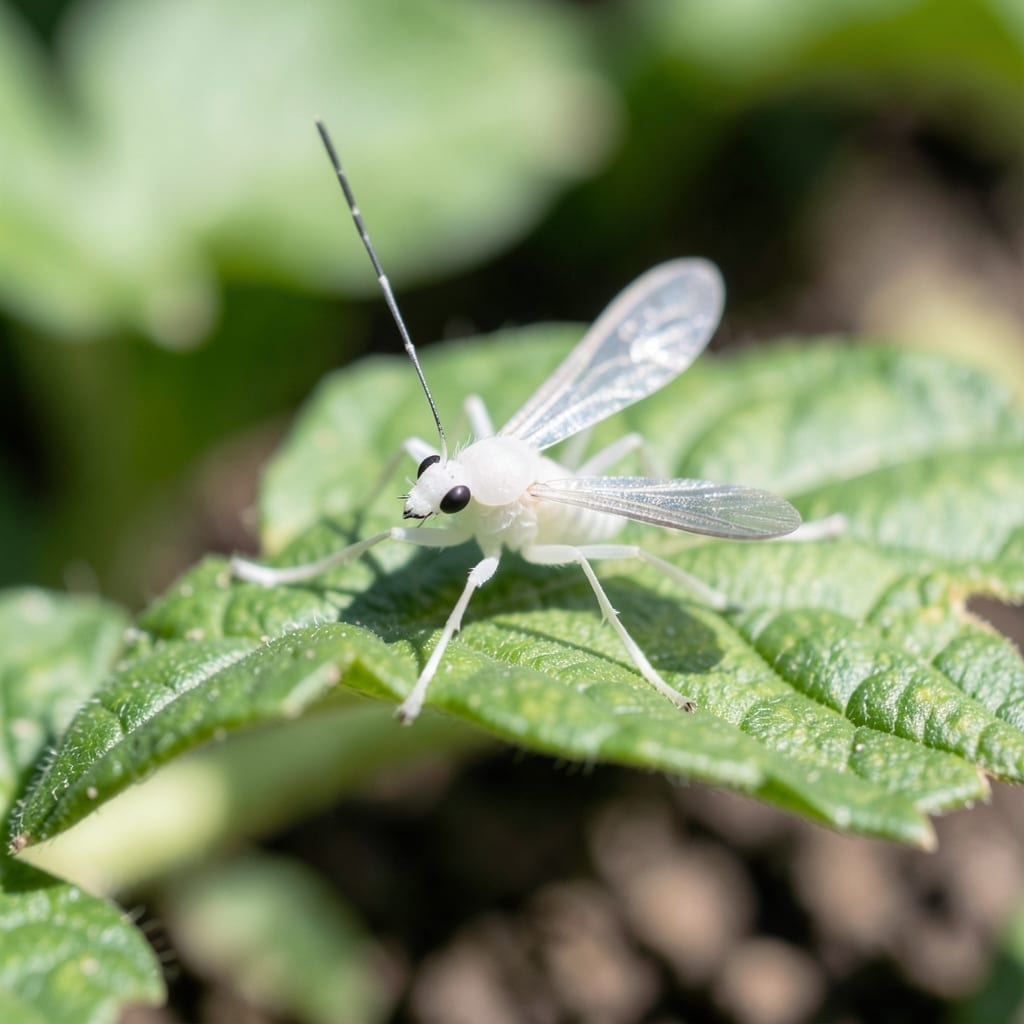
Tiny white clouds hovering over your plants? That’s trouble. I’ve seen these pests multiply overnight, turning healthy leaves yellow and sticky with honeydew.
Whiteflies and aphids are the usual suspects, and they don’t just damage plants—they spread disease. Left unchecked, they’ll weaken everything from tomatoes to houseplants in days.
Fortunately, the fix starts with a closer look. A magnifying glass and a spray bottle of soapy water can stop an infestation before it spirals.
Organic or chemical, the key is acting fast. The longer you wait, the harder they are to control.
White flying insects in your garden often appear due to specific environmental or biological triggers. Understanding these causes helps you address the root of the problem effectively.
Excess moisture creates ideal breeding conditions for pests like whiteflies and fungus gnats. Overwatered soil or stagnant water in plant saucers encourages egg-laying and larval development. Action: Ensure proper drainage and let the topsoil dry between waterings.
Weak or densely packed plants are more susceptible to infestations. Stressed vegetation emits chemical signals that attract white flying insects, such as aphids or mealybugs. Action: Thin out foliage and maintain plant health with balanced fertilization.
These insects thrive in warm, humid climates. High temperatures (75–85°F) and humidity levels above 60% accelerate their reproduction cycles. Action: Use shade cloths or improve airflow with fans to disrupt their habitat.
Without beneficial insects like ladybugs or lacewings, white flying pests multiply unchecked. Pesticides often kill these predators, tipping the ecological balance. Action: Introduce natural predators or use neem oil to deter pests without harming allies.
Dealing with white flying pests in your garden? Here’s how to tackle each common cause with practical fixes and prevention tips to keep them from coming back.
Fix: Reduce watering frequency and ensure your soil has proper drainage. Use a moisture meter to check soil dampness before watering. For potted plants, add perlite or sand to improve drainage.
Prevention: Water only when the top inch of soil is dry. Choose well-draining pots and avoid saucers that trap water. 💡
Fix: Isolate new plants for 1-2 weeks before introducing them to your garden. For infested soil, treat with neem oil or beneficial nematodes to target larvae.
Prevention: Inspect new plants thoroughly for signs of pests. Use sterile potting mix for seedlings. ✨
Fix: Remove fallen leaves, fruit, or compost piles near your garden. These attract whiteflies and fungus gnats. Replace mulch if it’s moldy or waterlogged.
Prevention: Keep your garden clean and compost bins sealed. Turn compost regularly to discourage pests. 🎯
Fix: Introduce beneficial insects like ladybugs, lacewings, or parasitic wasps. These prey on whiteflies and other flying pests naturally.
Prevention: Plant companion flowers like marigolds, alyssum, or dill to attract predator insects. Avoid broad-spectrum pesticides that harm helpful bugs. 🌡️
Fix: Switch to organic solutions like insecticidal soap or horticultural oil. Spray directly on the pests, focusing on the undersides of leaves where they hide.
Prevention: Rotate treatments to prevent resistance. Always follow label instructions for safe use. 🔥
Yes, they can cause significant damage by sucking sap from leaves, which weakens plants and stunts growth. They also excrete honeydew, leading to sooty mold.
Encourage beneficial insects like ladybugs and lacewings. Plant companion flowers such as marigolds or alyssum to attract predators.
Start with a strong blast of water to dislodge them. Follow up with insecticidal soap or neem oil for severe infestations.
They thrive in warm, humid conditions and are attracted to stressed plants. Improve airflow, avoid overwatering, and keep your garden clean.