
Beautiful Plants For Your Interior
Beautiful Plants For Your Interior
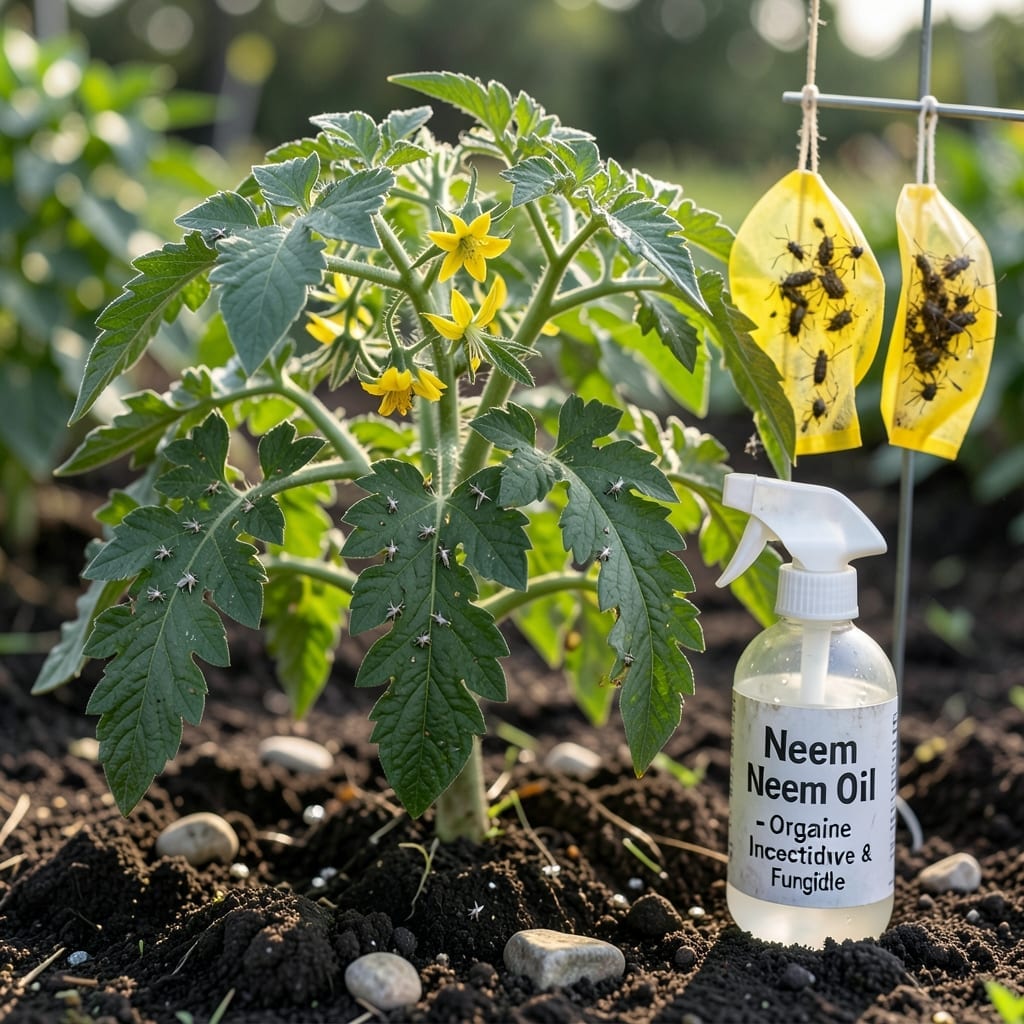
Tiny white clouds under your leaves mean trouble. I spotted my first white fly infestation on tomato plants last July and learned these pests multiply faster than you can treat them.
They look like tiny white moths but they’re soft-bodied insects that suck plant sap. The real damage comes from the sticky honeydew they leave behind, which attracts mold and weakens your plants.
Here’s the thing—early action stops them from spreading. A strong blast of water knocks them off, yellow sticky traps catch adults, and insecticidal soap handles the rest. It’s a 3-step process that works.
Prevention is simpler: introduce beneficial insects, keep plants healthy, and inspect new additions carefully. Your garden can stay white fly-free with consistent attention.
Whitefly outbreaks don’t happen by accident—they’re fueled by specific environmental and cultural conditions. Understanding these triggers helps you disrupt their lifecycle before they spiral out of control.
Whiteflies thrive in warm climates (70–85°F) with low fluctuations. Greenhouses and indoor gardens are prime targets because they provide consistent heat, accelerating their reproduction. A single female can lay 200–400 eggs in her lifetime under these conditions.
Stressed or densely planted crops emit volatile organic compounds (VOCs) that attract whiteflies. Over-fertilization (especially with nitrogen) creates lush, soft growth—their favorite food. Prune regularly and space plants to improve airflow and reduce appeal.
Relative humidity above 60% slows egg desiccation, boosting survival rates. Poor ventilation in greenhouses or shaded outdoor areas traps moisture, creating a whitefly paradise. Use dehumidifiers or increase airflow to break the cycle.
Monoculture gardens or heavy pesticide use eliminate parasitic wasps, ladybugs, and lacewings—whiteflies’ natural enemies. Introduce Encarsia formosa (a parasitic wasp) or plant nectar-rich flowers to restore balance.
Whitefly eggs and pupae hitchhike on infested soil, seedlings, or garden tools. Always quarantine new plants for 2–3 weeks and sterilize pots/trays between uses to prevent reinfestation.
Dealing with a whitefly infestation doesn’t have to be overwhelming. Below are targeted solutions for common causes, along with prevention tips to keep your plants healthy and pest-free.
If whiteflies have taken over, use neem oil or insecticidal soap. Mix 1 tbsp of neem oil with 1 quart of water and a few drops of dish soap. Spray directly on the leaves, especially the undersides where whiteflies hide. Repeat every 3-4 days until the pests are gone.
Prevention tip: 💡 Regularly inspect plants for early signs of whiteflies—tiny white dots or sticky residue (honeydew). Catch them early to avoid heavy infestations!
Whiteflies target stressed or weak plants. Boost plant health with proper watering, fertilizing, and pruning. Remove yellow or damaged leaves to reduce hiding spots for pests.
Prevention tip: ✨ Rotate crops and avoid over-fertilizing with nitrogen, which can attract whiteflies.
For indoor plants, isolate infested ones immediately. Use yellow sticky traps to catch adult whiteflies. Place traps near the plants and replace them weekly.
Prevention tip: 🎯 Keep new plants in quarantine for a week or two before introducing them to your collection.
Encourage natural predators like ladybugs, lacewings, or parasitic wasps to control whitefly populations. Plant companion herbs like basil or marigolds to repel pests.
Prevention tip: 🌡️ Avoid overwatering and ensure good air circulation to deter whiteflies from settling in.
Check the undersides of leaves for tiny white dots or eggs. Sticky residue (honeydew) on leaves is another red flag. Shake the plant gently to see if small white insects fly up.
Yes, their sticky honeydew attracts sooty mold, which blocks sunlight and weakens plants. Severe cases can stunt growth or even kill young plants.
Introduce beneficial insects like ladybugs or parasitic wasps. Use yellow sticky traps and maintain good airflow around plants.
With natural sprays like neem oil, repeat every 3-4 days until gone. For heavy infestations, combine sprays with traps for faster results.