
Beautiful Plants For Your Interior
Beautiful Plants For Your Interior
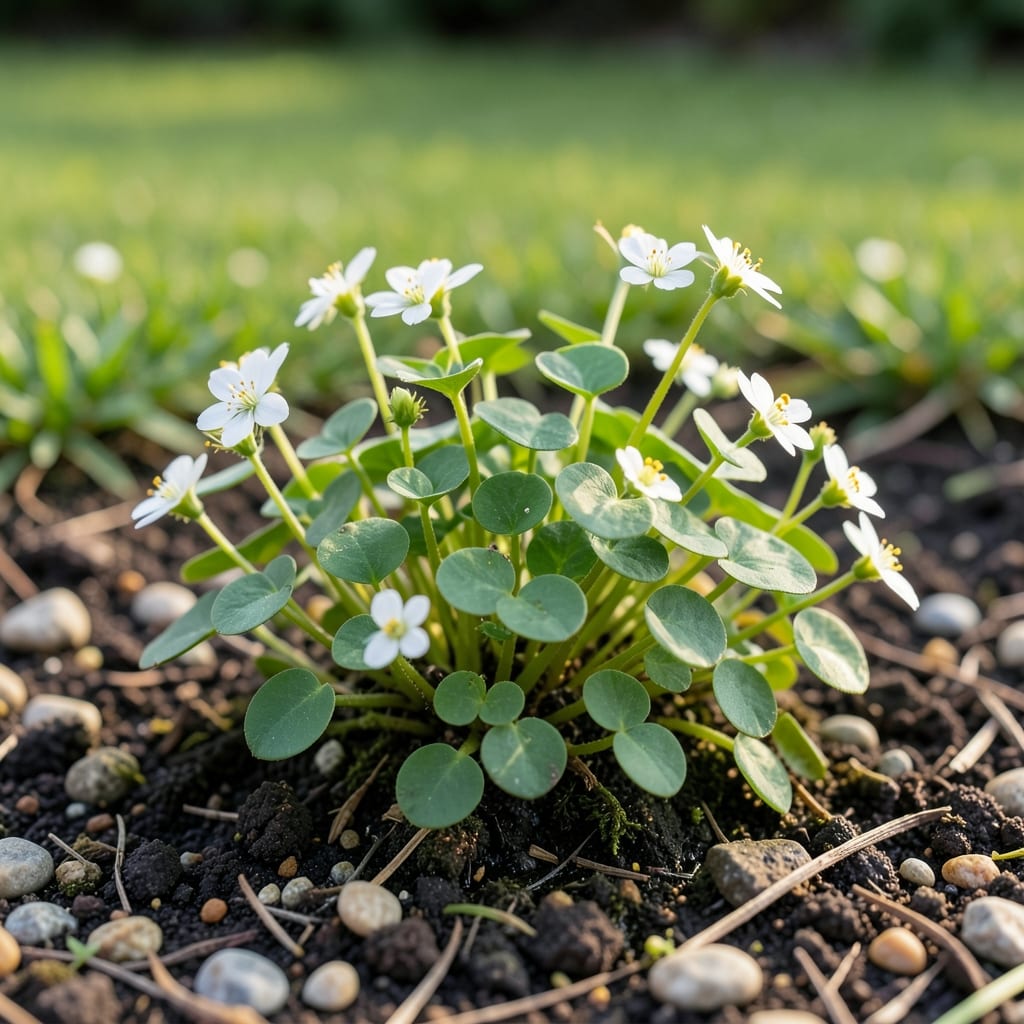
Those little white blooms popping up everywhere aren’t just unsightly—they’re stealing nutrients from your garden. I’ve spent too many weekends pulling them by hand, only to see them return within days.
The key is learning to recognize the most common culprits before they spread. Each has unique leaves and growth habits that give them away, even when they’re not flowering.
With the right approach, you can remove them safely without harming your plants or the soil. Organic methods work best, and prevention keeps them from coming back.
This guide helps you take back control of your garden beds and lawn, so your flowers and veggies can thrive without competition.
Understanding why white-flowering weeds thrive in your lawn or garden starts with recognizing the conditions that favor their growth. These opportunistic plants often appear due to a mix of environmental and cultural factors. Below are the most common causes, explained with actionable insights.
Disturbed soil—whether from tilling, construction, or foot traffic—creates open spaces for weed seeds to germinate. Many white-flowering weeds, like chickweed or dandelions, have dormant seeds that sprout when soil is exposed to light and air. Action: Minimize unnecessary soil disruption and use mulch to cover bare spots.
Inconsistent moisture levels stress desirable plants, giving weeds a competitive edge. Overwatering can leach nutrients, while drought conditions weaken grass, allowing weeds like clover or oxeye daisy to take root. Action: Maintain a consistent watering schedule (1–1.5 inches per week) and improve drainage in waterlogged areas.
Thin or patchy turf invites weeds by leaving gaps in the canopy. Compacted soil, improper mowing, or nutrient deficiencies reduce grass vigor, letting white-flowering invaders like bindweed spread. Action: Aerate compacted soil, fertilize based on a soil test, and mow at the recommended height for your grass type.
Wind, animals, and even garden tools can transport weed seeds far from their origin. Some white-flowering weeds, such as garlic mustard, produce prolific seeds that disperse easily. Action: Remove weeds before they seed, and clean tools/mowers after use in infested areas.
Getting rid of unwanted blooms starts with knowing the right fix for each cause. Below are proven, easy-to-follow solutions mapped to common triggers.
Mow high and often to shade the soil, which blocks sunlight these plants need. Set your mower to 3–4 inches and cut regularly. For existing patches, spot-treat with a post-emergent herbicide labeled for broadleaf weeds, following label rates carefully.
Test your soil and amend it to improve vigor. Add compost or organic matter to boost fertility and drainage. Healthy, dense grass or garden plants naturally crowd out invaders. Consider corn gluten meal in early spring as a natural pre-emergent to stop seeds from sprouting.
Keep watering deep but infrequent—about 1 inch per week—to encourage strong roots in desirable plants. Avoid light, frequent watering, which helps shallow-rooted weeds thrive. Use drip irrigation to target water at the base of plants and reduce moisture in bare spots.
Prevention Tips:
Look for small white blooms with distinct leaf shapes. Chickweed has oval leaves, while oxeye daisy has fern-like foliage. Bindweed features trumpet-shaped flowers and twining vines.
Not always. Some, like clover, fix nitrogen in the soil. But aggressive types, such as garlic mustard, can crowd out desired plants. Always research before removing.
Hand-pulling works for small patches, especially after rain when soil is soft. For larger areas, try a vinegar solution or corn gluten meal as a natural pre-emergent.
Seeds can remain dormant for years. Disturbing soil or inconsistent care often triggers new growth. Prevent return by maintaining thick, healthy turf or mulch.