
Beautiful Plants For Your Interior
Beautiful Plants For Your Interior
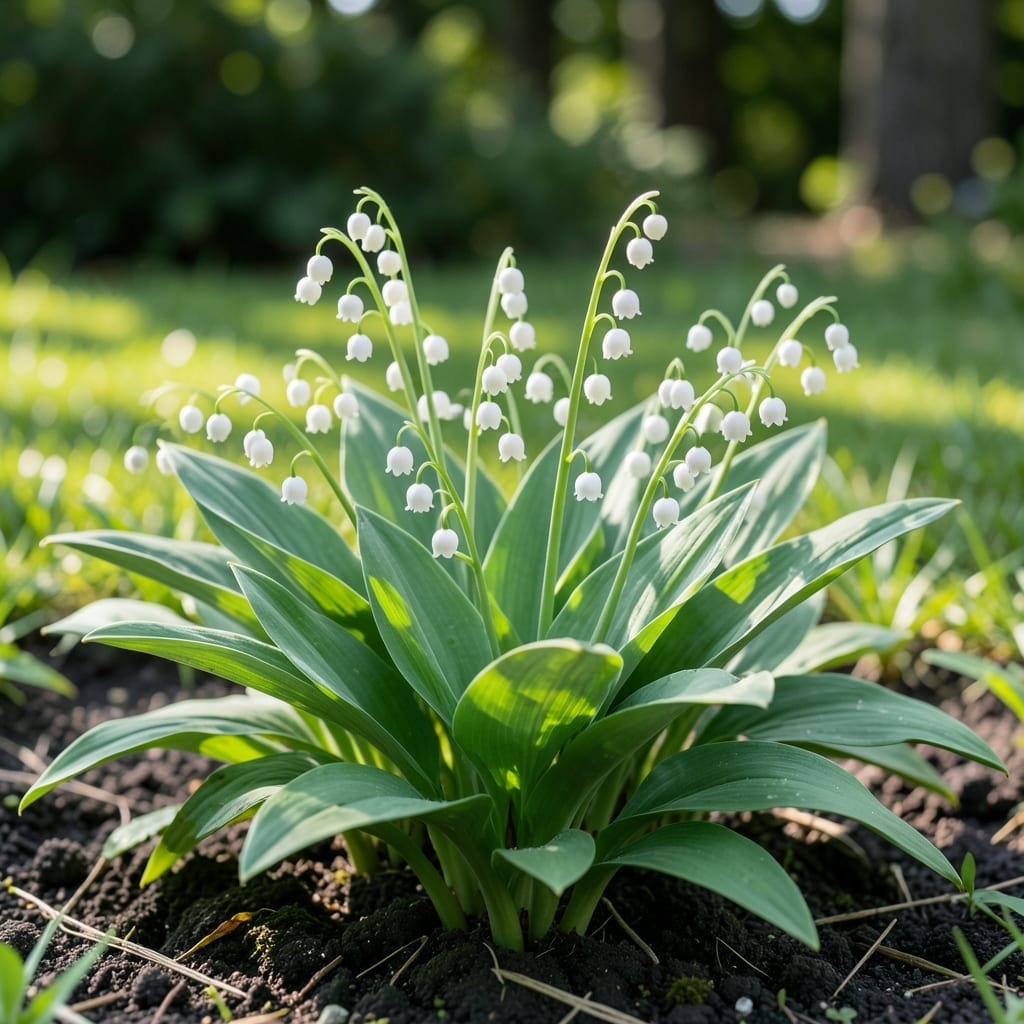
There’s something magical about drooping white flowers swaying gently in the breeze. I fell in love with their elegant charm the first time I planted hellebores in my shady garden corner.
These varieties bring a unique grace to any space, whether it’s bleeding hearts under trees or snowdrops peeking through winter soil. They thrive in conditions where many other plants struggle.
With the right care, you’ll enjoy their delicate beauty for years. Most need consistent moisture and protection from harsh afternoon sun to look their best.
Between you and me, they’re easier to grow than they look. Just give them well-draining soil and watch them transform your garden into a peaceful retreat.
Understanding why white flowers droop starts with identifying the underlying stressors. Each cause has distinct signs and solutions, so let’s break it down scientifically.
Excess water suffocates roots, preventing oxygen uptake. This leads to root rot, where fungal pathogens like Phytophthora break down root tissues. As roots die, the plant can’t absorb water or nutrients, causing wilting and drooping blooms. Fix: Ensure pots have drainage holes and use well-draining soil. Water only when the top inch of soil is dry.
Insufficient water disrupts turgor pressure—the internal pressure that keeps stems rigid. Without it, cells collapse, and flowers droop. Heat stress accelerates water loss through transpiration, worsening the effect. Fix: Water deeply at the base (not leaves) in the early morning. Mulch soil to retain moisture.
Lack of key nutrients like potassium (critical for water regulation) or magnesium (essential for chlorophyll) weakens stems and blooms. Yellowing leaves often accompany drooping. Fix: Use a balanced fertilizer (e.g., 10-10-10) or organic compost. Test soil pH—most flowers thrive at 6.0–7.0.
Sap-sucking pests like aphids or spider mites drain fluids, reducing the plant’s ability to maintain structure. Their saliva may also introduce toxins. Fix: Spray with insecticidal soap or neem oil. Inspect undersides of leaves weekly.
Sudden changes in temperature, wind, or light (e.g., moving from shade to full sun) trigger transpiration shock. Flowers droop as the plant conserves water. Fix: Acclimate plants gradually. Use windbreaks or shade cloth for sensitive varieties.
Drooping white flowers can often be revived with a few targeted fixes. Below are practical solutions for the most common causes, along with prevention tips to keep your blooms upright and vibrant.
If the soil is dry and crumbly, your flowers are likely thirsty. Give them a deep watering until moisture reaches the roots. For potted plants, soak the container in a tray of water for 10–15 minutes. Prevention tip: 💡 Check soil moisture weekly—stick your finger an inch deep; if it’s dry, it’s time to water.
Yellowing leaves or soggy soil signal overwatering. Stop watering immediately and let the soil dry out. Repot the plant in fresh, well-draining soil if root rot is suspected. Prevention tip: ✨ Use pots with drainage holes and a mix of perlite or sand to avoid waterlogging.
Wilting or scorched petals? Your flowers may be getting too much direct sunlight. Move them to a spot with bright, indirect light, especially during peak afternoon hours. Prevention tip: 🌡️ Monitor light conditions daily—east or north-facing windows are often ideal.
Drooping can result from dry air, especially for tropical varieties. Mist the leaves lightly or place a humidity tray (pebbles + water) near the plant. Prevention tip: 🎯 Group plants together to create a microclimate with higher humidity.
Weak stems or pale blooms may mean your flowers need nutrients. Apply a balanced, water-soluble fertilizer (10-10-10) every 2–4 weeks during the growing season. Prevention tip: 📊 Test soil occasionally to tailor fertilization to your plant’s needs.
This is often a natural growth habit for varieties like bleeding hearts or fritillaria. Their pendulous blooms are designed to attract pollinators from below.
Most prefer partial shade, especially in hot climates. Varieties like snowdrops can handle morning sun, but protect them from harsh afternoon rays.
Check soil moisture weekly. Water when the top 1 inch of soil feels dry, but avoid soggy conditions that can cause root rot.
They thrive in well-draining, moist soil rich in organic matter. Amend clay soil with compost for better drainage and fertility.