
Beautiful Plants For Your Interior
Beautiful Plants For Your Interior
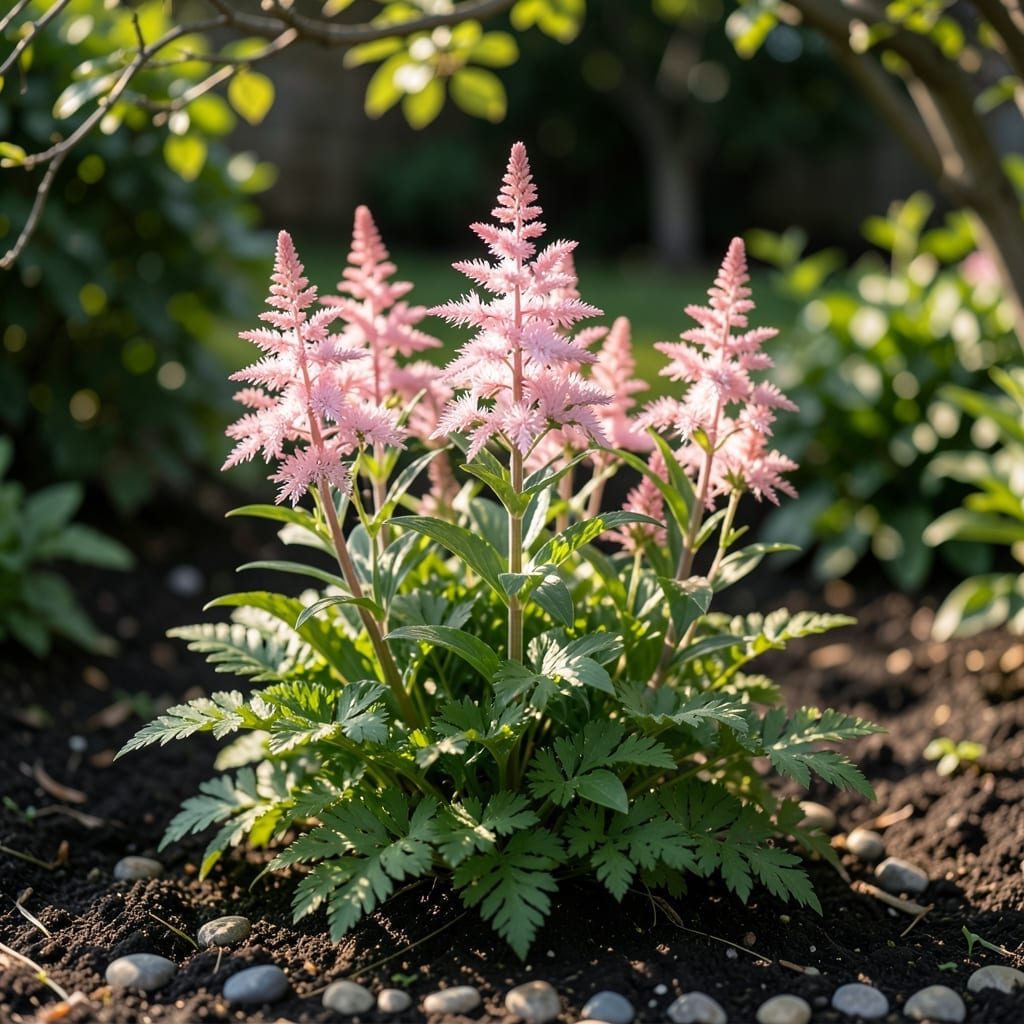
Astilbe’s feather-like plumes and lush foliage can light up any garden—but only if you nail the lighting conditions. Get this wrong, and your 🌸 Astilbe may wilt, refuse to bloom, or fade into obscurity.
I’ve seen gardeners struggle with these beautiful perennials simply because they didn’t understand their light needs. The good news? With the right approach, you can create the best environment for thriving plants.
Discover how to balance sun and shade to keep your Astilbe vibrant and blooming all season long. Let’s get started.
 Best Window Placement
If you want your astilbe to thrive, nailing the light conditions is key. These perennials prefer partial shade, especially in hotter climates, where direct afternoon sun can scorch their delicate foliage. I’ve found they do best with 3-6 hours of sunlight daily.
In cooler regions, astilbe can handle more sun, but even then, dappled shade is ideal. The right balance ensures lush foliage and vibrant feather-like plumes without stressing the plant. ☀️
| Requirement | Specification |
|---|---|
| Ideal Light | Partial Shade |
| Sun Tolerance | 3-6 hours (cooler climates) |
| Shade Preference | Afternoon shade in hot areas |
| Best Window | East/West Facing |
Too much sun can cause leaf scorch and faded blooms, while too little light leads to weak stems and sparse flowering. I always recommend observing your garden’s light patterns before planting. A spot with morning sun and afternoon shade is perfect.
For gardeners in USDA zones 4-8, astilbe’s light needs remain consistent, but microclimates matter. If your garden has hot, dry summers, prioritize shade. In milder areas, you can experiment with sunnier spots.
Soil moisture plays a role too. Astilbe loves consistently moist soil, and shade helps retain that moisture. In sunnier spots, you’ll need to water more frequently to prevent drought stress.
I’ve noticed that dwarf varieties often handle sun better than taller types. If you’re set on a sunlit spot, choose compact cultivars like ‘Sprite’ or ‘Pumila’. They’re more forgiving of brighter conditions.
Don’t forget about seasonal changes. In early spring and fall, astilbe can tolerate more sun as temperatures are cooler. But during peak summer, even sun-loving varieties appreciate some relief from intense rays.
If your garden lacks natural shade, consider companion planting. Pair astilbe with taller perennials like hostas or fern allies to create a shaded canopy. This mimics their natural woodland habitat.
Finally, remember that healthy astilbe starts with the right light. With the proper balance, you’ll enjoy vibrant blooms and lush foliage year after year. It’s all about working with your garden’s unique conditions. 🌿
Many gardeners wonder if astilbe can handle full sun. The short answer? It depends on your climate and care routine. In cooler regions, some varieties tolerate full sun, but they’ll need extra attention.
I’ve seen astilbe thrive in sunnier spots when given consistent moisture and rich, well-draining soil. However, in hotter areas, direct afternoon sun can lead to leaf scorch and stress. ☀️
⚠️ Warning: Too much sun can burn foliage and reduce blooming. In USDA zones 7-8, always provide afternoon shade during peak summer.
If you’re determined to grow astilbe in full sun, choose drought-tolerant varieties like ‘Fanal’ or ‘Amethyst’. These handle brighter conditions better than others, but even they need regular watering and mulching.
In my experience, morning sun is safer than afternoon exposure. East-facing locations are ideal because they offer gentle light without the intensity of midday rays. This mimics the dappled shade astilbe loves in nature.
Watch for signs of stress, such as wilting leaves or brown edges. If you notice these, it’s time to adjust. Adding a shade cloth or relocating pots can make a big difference. 🌿
Don’t forget that soil health impacts sun tolerance. Astilbe in poor, dry soil will struggle in sun, even if the variety is sun-tolerant. Amend your soil with compost to improve moisture retention.
Ultimately, while some astilbe varieties can handle sun, they’ll always prefer partial shade. If your garden is sunny, prioritize shade solutions to keep these perennials happy and blooming. 🌱