
Beautiful Plants For Your Interior
Beautiful Plants For Your Interior
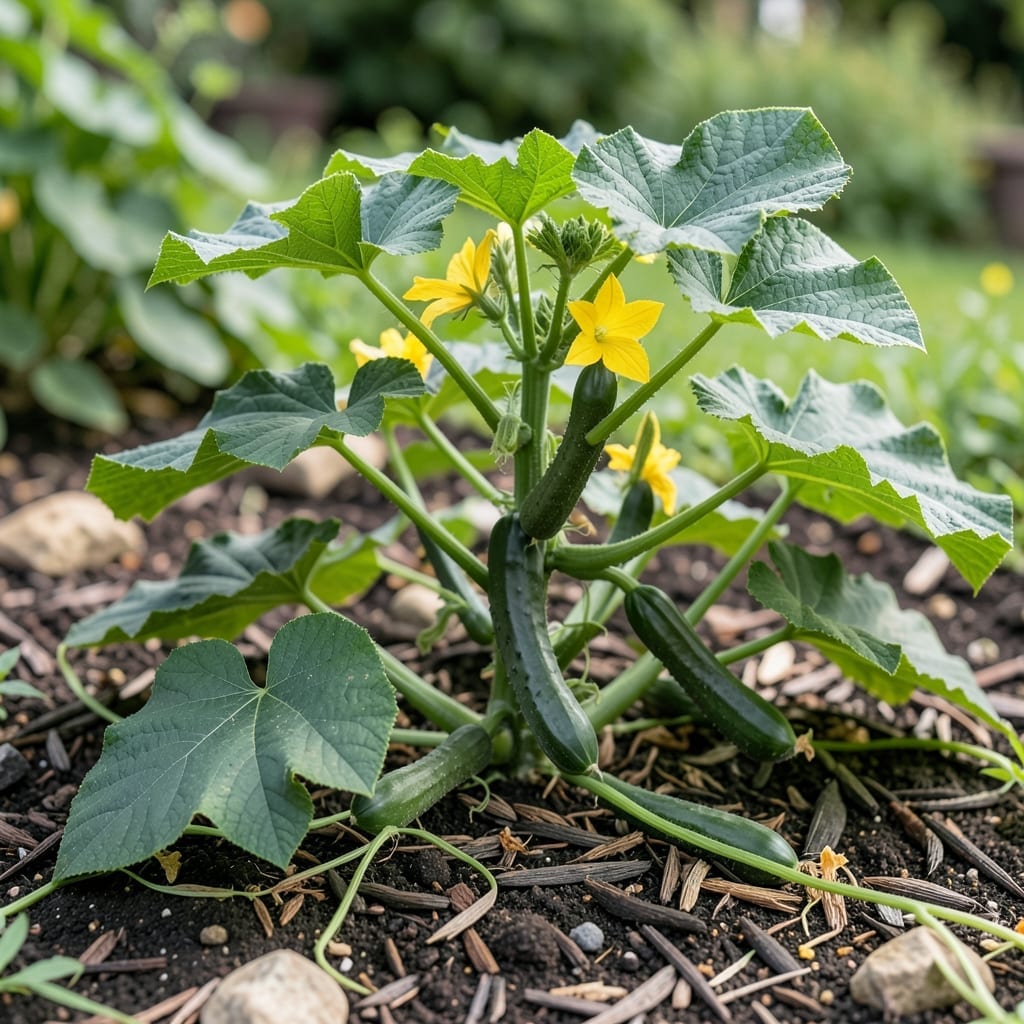
White cucumber leaves stopped me in my tracks last season. 🌱 Turns out, it’s usually powdery mildew, spider mites, or too much sun hitting them at once.
I fixed mine with better airflow, neem oil sprays, and shading during peak heat. You’ll see green returning in 3-5 days if you catch it early.
📚 In This Guide
Here’s the method I use to diagnose and fix white leaves fast, before problems spread.
Start by examining both sides of the affected leaves under bright light. White discoloration on cucumber leaves often signals powdery mildew, which appears as a white, powdery coating on the upper leaf surface. Look closely for tiny yellow spots or webbing, which may indicate spider mites.
Check the undersides too—some pests like whiteflies leave sticky residue or tiny white eggs. I always use a magnifying glass for this step. Note whether the white areas are powdery, spotty, or weepy to narrow down the cause.
Overly wet foliage or poor air circulation often triggers powdery mildew. Cucumber plants need consistent moisture at the roots but dry leaves. If you’re watering from above, switch to soaker hoses or drip irrigation immediately. Water in the morning so leaves dry by evening.
Thin out dense foliage with clean pruners to improve airflow. I aim for 12-18 inches between plants and remove any leaves touching the soil. Stagnant, humid air is a fungal disease’s best friend.
For powdery mildew, mix 1 tablespoon baking soda and 1 teaspoon dish soap in 1 gallon of water and spray evenly on all leaf surfaces. Reapply every 7-10 days or after rain. This raises the leaf pH, making it harder for fungus to grow.
If pests are the culprit, blast them off with a strong water spray first. Then apply neem oil or insecticidal soap, following label instructions exactly. Always treat in the evening to avoid burning leaves in hot sun.
Prevention is easier than treatment. Space plants properly from the start—cucumbers need 3-5 feet between rows. Use mulch to prevent soil splash, which spreads fungal spores. I like straw because it allows air to circulate while keeping leaves dry.
Rotate crops yearly to break disease cycles. If you grew cucumbers in the same spot last season, that could be your problem. Consider resistant varieties like ‘Diva’ or ‘Sweet Success’ for next year.
If a leaf is more than 50% white or damaged, prune it off with sterilized shears to prevent the issue from spreading. Dispose of infected material in the trash—not the compost pile—because many pathogens survive composting.
After each cut, wipe your pruners with rubbing alcohol. This is the step most gardeners skip, and it’s how problems jump from one plant to another. I keep a small spray bottle of alcohol in my tool belt for this exact reason.
These practical insights will help you catch and fix problems before they take over your garden.
Inspection Intelligence: In Step 1, use that magnifying glass I mentioned—it’s not optional. Whiteflies and spider mites are nearly invisible to the naked eye, and missing them means the problem will only get worse. Pay special attention to leaf undersides where pests love to hide.
Airflow Secret: When thinning foliage in Step 2, don’t just eyeball it. Use a ruler to maintain that 12-18 inches between plants I recommended. This isn’t just about space—it’s about creating a breeze through your garden that keeps leaves dry and healthy.
Treatment Timing: For the baking soda spray in Step 3, timing is everything. The 7-10 day reapplication window is critical because that’s how long it takes for new growth to become vulnerable. Set a calendar reminder so you don’t forget—consistency beats the fungus every time.
Sanitation Station: In Step 5, that rubbing alcohol isn’t just for show. Between every single cut, wipe your pruners down. I learned this the hard way after spreading powdery mildew from one plant to my entire row. Keep that spray bottle handy—it’s your best defense against cross-contamination.
White cucumber leaves often signal powdery mildew, a fungal disease, or nutrient deficiencies like magnesium. Check for white, powdery spots or yellowing between veins. Poor air circulation and high humidity can also contribute.
For fungal issues, apply a fungicide or a baking soda solution (1 tsp baking soda + 1 quart water + a few drops of soap). For nutrient deficiencies, use a balanced fertilizer. Improve airflow and avoid overhead watering to prevent recurrence.
Yes! Early intervention can restore leaf health. Remove severely affected leaves to prevent spread, then treat the plant. New growth should appear healthy if the underlying issue is resolved.
Absolutely! Try neem oil, a garlic spray, or a milk-water mixture (1:9 ratio) as natural fungicides. These are effective and eco-friendly alternatives to chemical treatments.
Space plants properly for airflow, water at the base (not the leaves), and maintain consistent moisture levels. Regularly inspect leaves and remove debris to reduce fungal spores.