
Beautiful Plants For Your Interior
Beautiful Plants For Your Interior
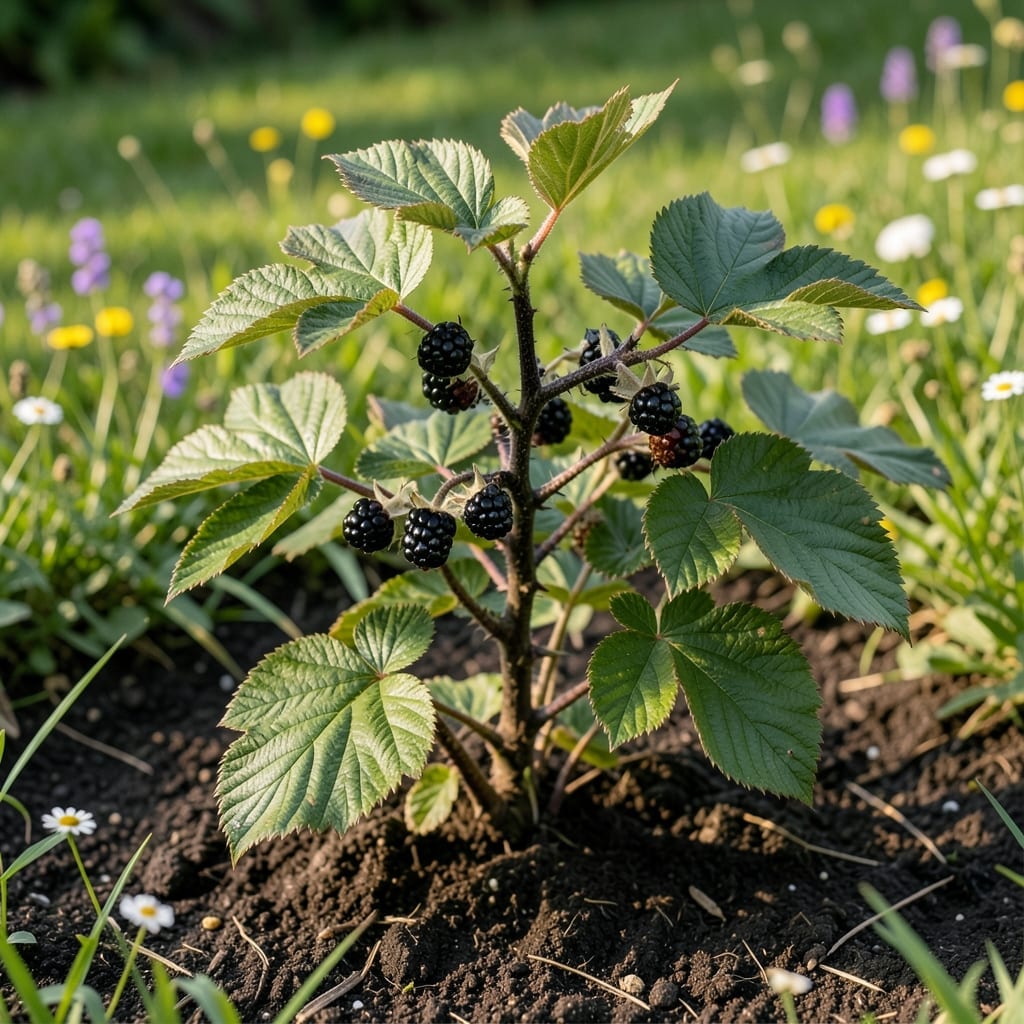
Many blackberry species, especially non-native varieties like Himalayan blackberry, are highly invasive, spreading aggressively and outcompeting native plants in gardens and wild areas.
I’ve seen these plants take over entire areas, forming thickets so dense they block sunlight from reaching the ground. Himalayan blackberry is a prime example—it spreads through both seeds and underground runners, making it tough to control once established. This can disrupt local ecosystems by crowding out native species that wildlife depends on. 🔥
💡 In This Article
Himalayan blackberry uses a dual strategy for expansion. Its long, arching canes can root at the tips where they touch soil, creating new plants up to 20 feet from the parent. Meanwhile, the root system spreads horizontally underground, sending up shoots at intervals like a living conveyor belt of vegetation. 🔥
Seed dispersal adds another layer to its invasiveness. Each berry contains numerous small seeds that remain viable in soil for 5-10 years. Birds and mammals eat the fruit, then deposit seeds far from the original plant through their droppings. This means a single patch can seed new thickets across an entire landscape.
The growth rate is staggering. In ideal conditions, Himalayan blackberry can grow 10-15 feet in a single season, with canes reaching 30-40 feet long. These form impenetrable thickets that reduce light availability by 90% in the understory, creating a biological desert beneath the canopy. ✨
This shading effect is particularly damaging to native plants. Many forest floor species require 50-70% sunlight to thrive, but the dense blackberry canopy drops light levels below 10%. The plant also alters soil chemistry by increasing nitrogen levels through its leaf litter, which further advantages its own growth over native species adapted to lower-nutrient soils.
What makes this species so aggressive is its ability to outcompete natives for both space and resources. Studies show it can reduce native plant diversity by 60-80% in infested areas within just 3-5 years. The thorny canes also create physical barriers that prevent animals from accessing water sources or feeding areas. 💫
This combination of vegetative and sexual reproduction, rapid growth, and ecological disruption makes invasive blackberries a significant threat to biodiversity. They don’t just compete with native plants—they transform entire ecosystems to favor their own survival.
Some varieties like Himalayan blackberry can grow 10-15 feet in a single season. Their canes root at the tips, creating new plants up to 20 feet away.
No, only certain non-native types like Himalayan blackberry are highly invasive. Native blackberries exist but don’t spread as aggressively or disrupt ecosystems.
For small patches, dig out the entire root system. For larger areas, cut canes in late summer and apply herbicide to stumps. Always wear protective gloves.
No, never compost them. Even small root fragments can regrow, and seeds remain viable for 5-10 years.