
Beautiful Plants For Your Interior
Beautiful Plants For Your Interior
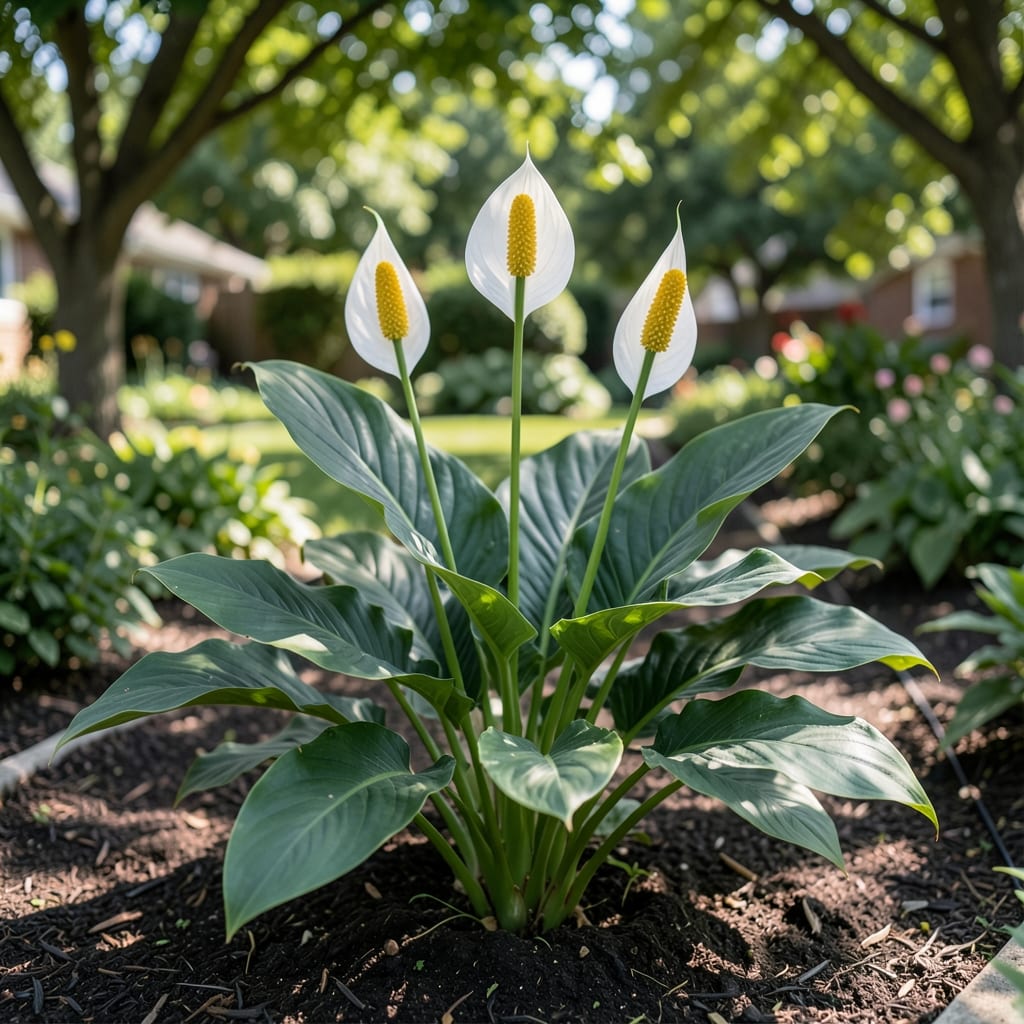
White calla lilies bring sophistication to shady corners without demanding full sun. I’ve grown these in the dimmest spots of my yard, and they still produce those iconic, trumpet-shaped blooms year after year.
They thrive in rich, well-draining soil with consistent moisture, and a 2-inch layer of mulch keeps roots happy. Plant the rhizomes 4 inches deep in spring, and you’ll see elegant white spikes rising by early summer.
📚 In This Guide
This method delivers elegant blooms even in partial shade, with minimal effort.
Choose a site with partial to full shade, as white calla lilies thrive in filtered light but can tolerate morning sun. The soil should be rich in organic matter and well-draining to prevent rhizome rot. I always test drainage by digging a 12-inch hole and filling it with water—if it drains within 1-2 hours, the site is suitable.
Avoid low-lying areas where water pools after rain. These plants prefer slightly acidic to neutral soil (pH 6.0-7.0). If your soil is heavy clay, amend it with compost or peat moss to improve structure before planting.
Loosen the soil to a depth of 12-15 inches using a garden fork, removing any rocks or debris. Mix in a 2-inch layer of aged compost or well-rotted manure to boost fertility. Calla lilies are heavy feeders and respond well to nutrient-rich soil.
Dig planting holes 4-6 inches deep and space them 12-18 inches apart. The rhizomes should be placed horizontally with the growing points (small buds or eyes) facing upward. This orientation ensures proper shoot emergence and prevents stunted growth.
Place each rhizome in its hole, ensuring it sits 1-2 inches below the soil surface. Cover with soil and press lightly to remove air pockets, but avoid compacting the soil too firmly. Water thoroughly after planting to settle the soil around the rhizomes.
I’ve found that mulching with a 2-inch layer of organic material, like shredded bark, helps retain moisture and suppress weeds. Keep the mulch 1 inch away from the base of the plant to prevent rot. You’ll see the first green shoots emerge in 2-3 weeks under ideal conditions.
Water your calla lilies deeply once or twice weekly, ensuring the soil remains consistently moist but not waterlogged. These plants are not drought-tolerant, and dry soil will cause the foliage to yellow and wilt. During hot spells, increase watering frequency to maintain even moisture.
Fertilize monthly with a balanced, water-soluble fertilizer (e.g., 10-10-10) during the growing season to encourage robust blooms. Stop fertilizing once the foliage begins to yellow in the fall, signaling the plant’s dormancy period. This rest period is crucial for next year’s growth.
These practical insights will help you avoid common pitfalls when planting and caring for these elegant blooms.
The Drainage Test: In Step 1, that 12-inch hole drainage test is non-negotiable. If water doesn’t drain within 1-2 hours, your rhizomes will rot. I learned this the hard way after losing an entire planting to soggy soil. Trust me on this.
Soil Preparation Secret: When loosening soil to 12-15 inches in Step 2, don’t just dig—mix in that 2-inch layer of compost thoroughly. Calla lilies are heavy feeders, and this step ensures they’ll have the nutrients needed for those stunning white blooms.
Planting Depth Precision: The 1-2 inches below soil surface in Step 3 isn’t arbitrary. Planting too deep suffocates the rhizome, while too shallow exposes it to drying out. I use my finger to measure—first knuckle is about 1 inch, second knuckle is 2 inches.
Mulching Technique: That 2-inch mulch layer mentioned in Step 3 works wonders, but keep it 1 inch away from the plant base. I’ve seen too many gardeners lose plants to rot because they piled mulch right against the stems.
White calla lilies thrive in partial shade with moist, well-draining soil. Water them regularly, keeping the soil consistently damp but not soggy. Fertilize monthly during the growing season with a balanced liquid fertilizer for vibrant blooms.
Plant white calla lilies in spring after the last frost, when soil temperatures reach about 60°F (15°C). This gives them time to establish roots before summer. In warmer climates, they can also be planted in early fall.
Watch for aphids, spider mites, and bacterial soft rot. Yellowing leaves or wilting may indicate overwatering or fungal issues. Remove affected foliage and treat with neem oil or fungicide as needed.
Yes! Place them in a bright, indirect light spot (like an east-facing window) and keep the soil moist. Use a well-draining potting mix and mist the leaves occasionally to mimic humidity.