
Beautiful Plants For Your Interior
Beautiful Plants For Your Interior
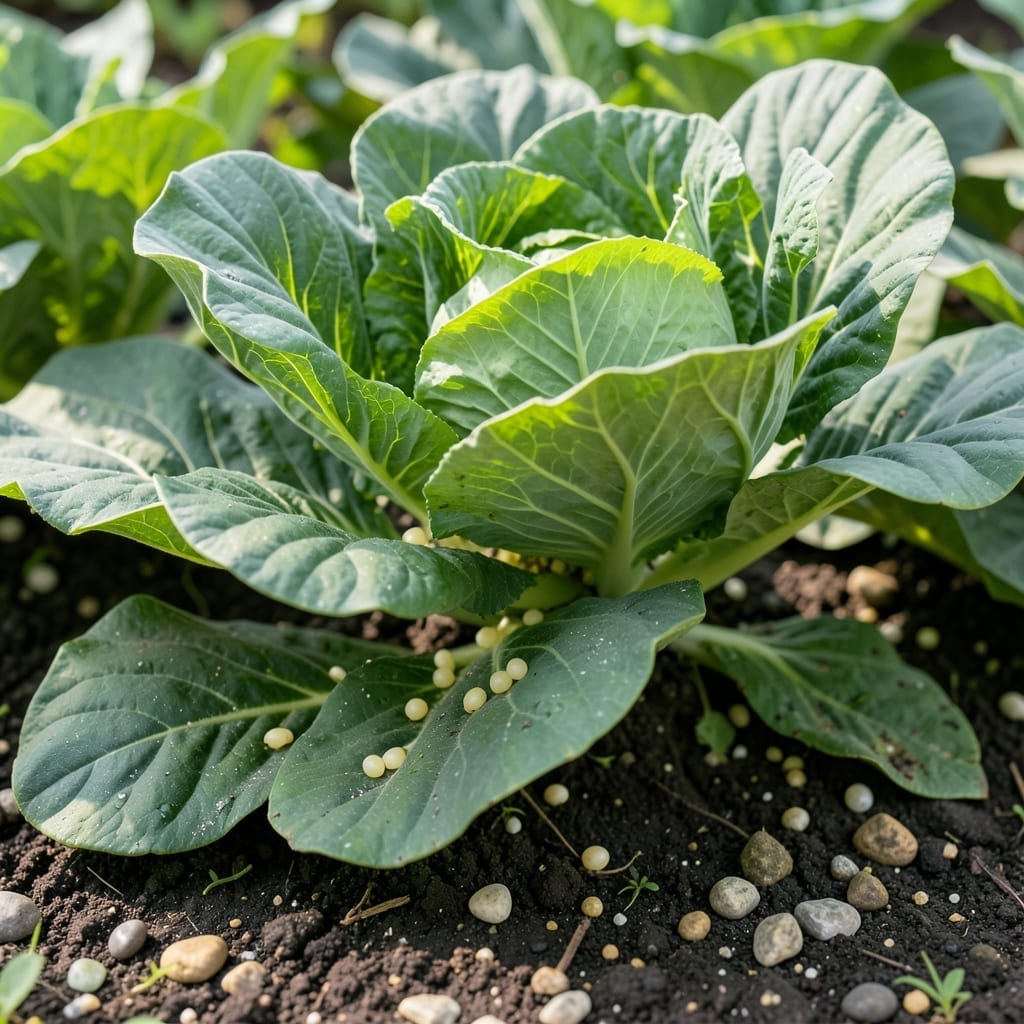
Those tiny yellow dots on your brassicas aren’t pollen—they’re trouble in the making. I first spotted white butterfly eggs on my kale leaves last spring, and within days, the caterpillars had skeletonized my entire crop.
Left unchecked, each egg hatches into a voracious larva that can strip a plant bare in 48 hours. The damage isn’t just unsightly; it weakens plants and invites secondary infections.
Here’s the thing—you don’t need harsh chemicals to win this fight. A few simple, organic steps can break the cycle before it starts, saving your garden without harming pollinators.
Fair warning: timing is everything. Catch them early, and you’ll protect your harvest with minimal effort.
The presence of white butterfly eggs in your garden is often a sign of an impending cabbage white butterfly infestation. These eggs are laid by adult butterflies, primarily the Pieris rapae (small cabbage white) and Pieris brassicae (large cabbage white), which are drawn to specific plants for reproduction. Below are the key reasons why this happens:
Female cabbage white butterflies are highly selective when choosing where to lay their eggs. They target plants in the Brassicaceae family, such as cabbage, kale, broccoli, and mustard. These plants release chemical compounds that signal to the butterflies that they are ideal hosts for their larvae. The eggs are typically laid on the undersides of leaves to protect them from predators and environmental conditions.
Warm weather and abundant sunlight trigger the breeding cycle of cabbage white butterflies. They are most active during spring and summer, when temperatures range between 60–85°F (15–30°C). High humidity and the presence of lush, healthy host plants further encourage egg-laying. Gardens with dense plantings of brassicas are particularly vulnerable.
After mating, female butterflies can lay up to 300–400 eggs in their lifetime, often distributing them across multiple plants to increase survival odds. The eggs are tiny, white, and bottle-shaped, blending in with the plant surface. This prolific reproduction ensures that even if some eggs or larvae are lost to predators or treatments, enough survive to perpetuate the species.
If you’ve spotted tiny yellow or white butterfly eggs on your plants, act fast to prevent a caterpillar invasion. Here’s how to tackle the issue based on the most common scenarios:
For small infestations, the simplest fix is to handpick the eggs. Use a pair of tweezers or a damp cloth to gently wipe them off leaves. Check the undersides of leaves, as this is where butterflies often lay them. Prevention tip: 💡 Inspect plants weekly during warm months to catch eggs early.
A strong blast of water from a hose can dislodge eggs and newly hatched caterpillars. Do this in the morning so leaves dry quickly, reducing the risk of fungal issues. Prevention tip: ✨ Encourage natural predators like ladybugs and lacewings, which feed on eggs and larvae.
Apply neem oil or insecticidal soap to affected plants. These organic treatments disrupt the eggs’ development without harming beneficial insects when used correctly. Spray in the evening for best results. Prevention tip: 🎯 Rotate crops and plant repellent herbs like lavender or mint nearby to deter butterflies.
Protect vulnerable plants with floating row covers to physically block butterflies from laying eggs. Secure the edges to prevent gaps. Prevention tip: 🌱 Remove covers during flowering if pollination is needed, but monitor closely for new eggs.
Consistency is key—combine methods for the best defense against future outbreaks!
Look for tiny, pale yellow or white ovals on leaf undersides. They’re about 1mm tall and often laid in clusters. Use a magnifying glass for confirmation
Brassicas like cabbage, kale, and broccoli are prime targets. Also check mustard greens and radishes. These plants release chemicals that attract egg-laying butterflies.
Eggs typically hatch in 3-7 days depending on temperature. In warm weather, caterpillars may emerge in as little as 48 hours. Act fast to prevent damage
They primarily attack brassicas but may spread to nearby plants if infestations grow. Isolate affected plants and monitor neighbors to contain the issue.