
Beautiful Plants For Your Interior
Beautiful Plants For Your Interior
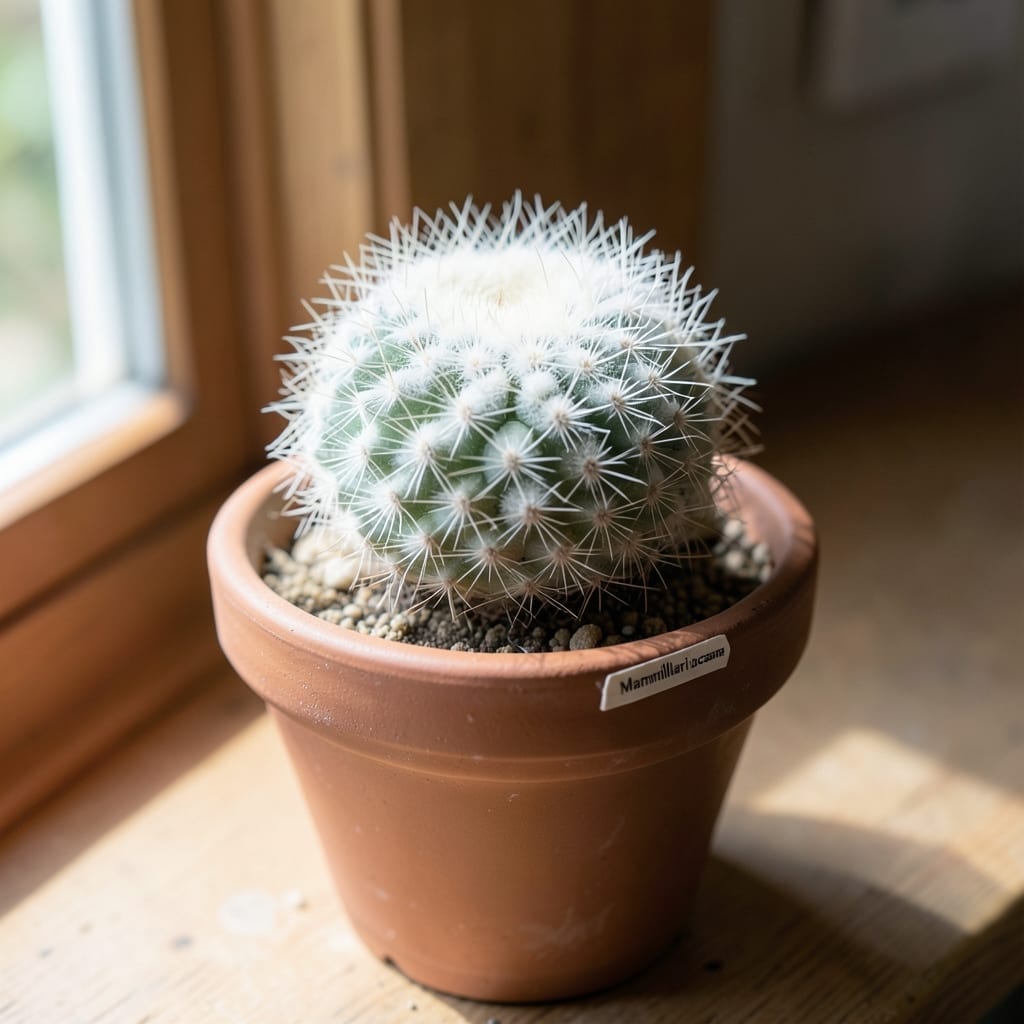
This cactus thrives where others fail. 🌵 I’ve grown white bulb cactus in the driest corners of my garden, and it keeps surprising me with its resilience and unique beauty.
It needs almost no water, loves full sun, and rewards you with striking white spherical stems. Perfect for forgetful gardeners or arid climates where most plants struggle to survive.
📚 In This Guide
This foolproof method delivers healthy plants that thrive on neglect in dry conditions.
Choose a shallow, wide unglazed terra cotta pot—its porosity helps wick away excess moisture, which these plants despise. I always use containers with at least 3 drainage holes to prevent root rot. Fill it with a fast-draining mix: 50% cactus soil and 50% perlite or coarse sand.
Press the soil down lightly to remove air pockets but don’t compact it. The mix should feel gritty and loose, almost like a desert floor. If you squeeze a handful, it should crumble apart immediately. This texture mimics their native arid habitats perfectly.
Place the white bulb cactus on the soil surface so the base sits just barely buried—only the bottom ¼ inch should touch the mix. Burying it deeper encourages rot. If your plant has offsets (pups), keep them attached for now; they’ll root naturally.
Water lightly just after planting to settle the soil around the roots, but do not soak. You’ll know it’s enough when the top ½ inch of soil feels damp to the touch. Resist the urge to water again for at least 10 days—this gives roots time to establish without risk of rot.
Position your pot where it gets 4-6 hours of direct sunlight daily. A south-facing windowsill works perfectly, but if your light is weak, supplement with a grow light 6-12 inches above the plant. These cacti prefer 70-100°F during growth and can tolerate down to 50°F at night.
Watch for color changes—if the plant starts looking pale or stretched, it needs more light. Conversely, if the white areas develop brown spots, it’s getting too much harsh sun. I rotate my pots quarter turn weekly so all sides grow evenly upright.
Water deeply but infrequently—only when the soil is completely dry to the bottom of the pot. In spring and summer, this usually means every 2-3 weeks. In fall and winter, cut back to once a month or less. Stick your finger in the soil to check; if it feels dry all the way through, it’s time.
Here’s the thing—these plants store water in their bulbs, so they’re far more likely to die from overwatering than underwatering. Always empty the saucer after watering to prevent the pot from sitting in moisture. You’ll see wrinkling on the bulb when it’s truly thirsty.
Use room-temperature water and avoid getting the bulb itself wet, which can lead to rot. A long-spouted watering can helps direct water to the soil only.
Fertilize lightly once in early spring and again in mid-summer with a diluted cactus fertilizer (half-strength). More isn’t better—these plants are adapted to nutrient-poor soils. If offsets form around the base, you can gently twist them off once they’re 1-2 inches tall and pot them separately.
Repot every 2-3 years or when the bulb outgrows its container. This is also your chance to refresh the soil. Real talk: they often bloom better when slightly root-bound, so don’t rush to upgrade pot sizes.
Small adjustments make a big difference with these resilient plants.
Planting Depth: In Step 2, bury only the bottom ¼ inch of the bulb—any deeper invites rot. I learned this the hard way after losing two plants to over-enthusiastic planting. Trust me, less is more here.
Watering Wisdom: That 10-day no-water period after planting in Step 2 is non-negotiable. It lets roots establish without drowning. After that, wait until soil is completely dry to the bottom—these plants are desert survivors, not swamp lovers.
Light Positioning: For Step 3, if using a grow light, keep it 6-12 inches above the plant. Too close and you risk scorching those white areas; too far and you’ll get leggy growth. A south window is ideal, but rotate quarter turn weekly for even growth.
Temperature Range: The 70-100°F sweet spot during growth keeps them happy. Below 50°F at night is tolerable, but prolonged cold can stress the plant. I keep mine indoors year-round to avoid temperature swings.
Water sparingly—only when the soil is completely dry, typically every 2-4 weeks. Overwatering can cause root rot, so ensure proper drainage.
Yes! Place it near a bright, sunny window. It thrives in indoor conditions with minimal care, making it a great low-maintenance houseplant.
Watch for mealybugs and spider mites. Wipe leaves with a damp cloth or use insecticidal soap for treatment.
Yellowing often signals overwatering or poor drainage. Check the roots for rot and adjust your watering schedule.