
Beautiful Plants For Your Interior
Beautiful Plants For Your Interior
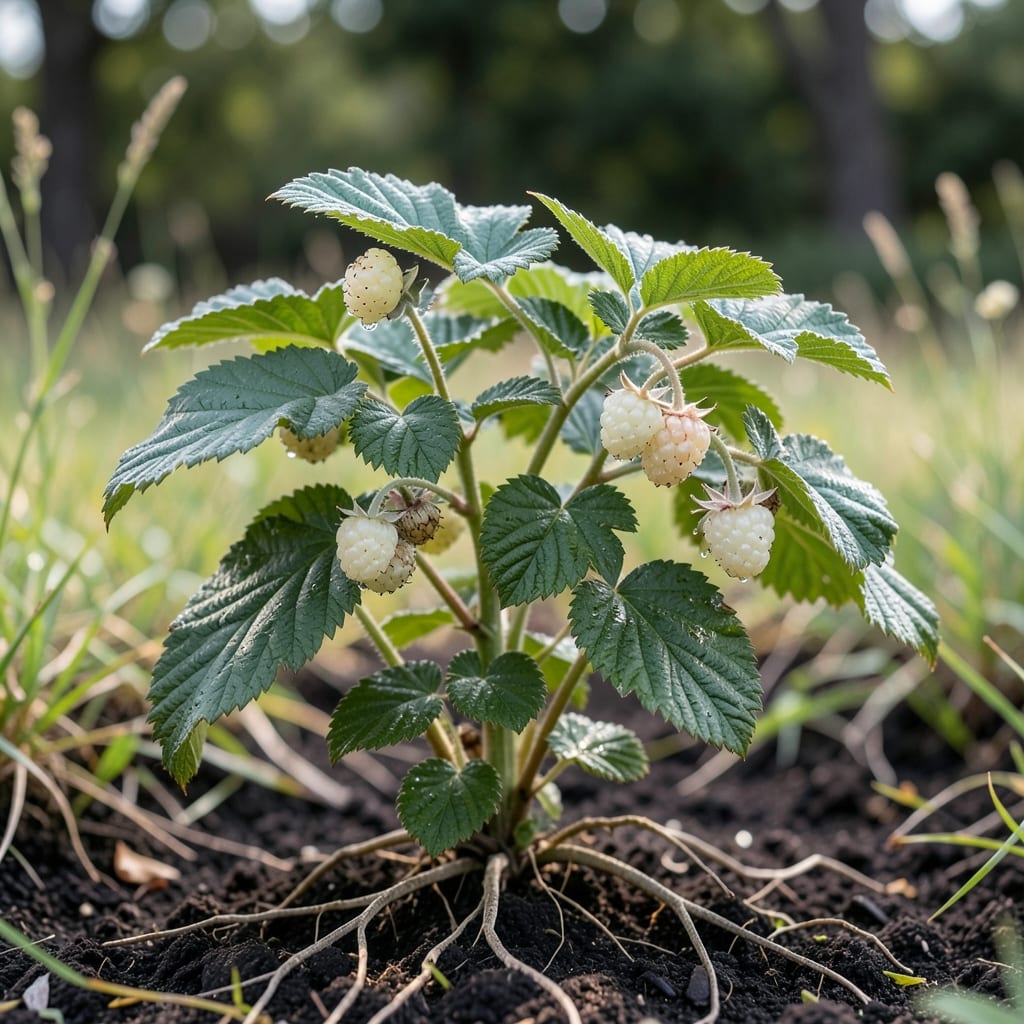
White blackberries surprised me with their delicate sweetness. 🌱 These rare fruits offer a milder flavor than traditional varieties, with the same juicy texture.
They thrive in well-draining soil with full sun exposure, just like their darker cousins. The key difference? Their pale berries need protection from birds that spot them less easily.
With proper pruning and consistent watering, you’ll get healthy harvests by the second year. The canes are less aggressive, making them perfect for smaller spaces.
Organic care keeps these unique plants productive for 10-15 years. Here’s how to give them their best start.
The appearance of white blackberry fruit is usually a sign of an underlying issue affecting the plant’s health or development. Below are the most common causes, explained with actionable insights.
Powdery mildew and botrytis (gray mold) can disrupt fruit pigmentation, leading to pale or white berries. These fungi thrive in humid, poorly ventilated conditions. Solution: Improve airflow, remove infected canes, and apply organic fungicides like neem oil or sulfur sprays early in the season.
A lack of potassium, magnesium, or iron can stunt chlorophyll production, resulting in pale or white fruit. Yellowing leaves often accompany this. Solution: Test soil pH (aim for 5.5–6.5) and amend with compost or organic fertilizers rich in these minerals.
Blackberries need 6–8 hours of direct sunlight daily to develop deep color. Shaded canes may produce underripe, white-tinged berries. Solution: Prune nearby plants, space rows properly, or relocate to a sunnier spot.
Sap-sucking pests like aphids or spider mites weaken plants, reducing their ability to mature fruit fully. Severe infestations can cause stunted, discolored berries. Solution: Introduce beneficial insects (e.g., ladybugs) or use insecticidal soap for organic control.
Late frosts or extreme heat during fruiting can interrupt ripening, leaving berries white or partially colored. Solution: Use row covers for frost protection and mulch to regulate soil temperature.
When your blackberry bushes produce white or pale berries, it’s usually a sign of poor pollination, nutrient deficiency, or environmental stress. Here’s how to restore vibrant, healthy fruit:
If bees and other pollinators are scarce, hand-pollinate by gently brushing the flowers with a soft paintbrush. Plant pollinator-friendly flowers like lavender or wildflowers nearby to attract more bees. Prevention tip: Avoid pesticides during bloom season to keep pollinators safe. 🐝✨
White berries often indicate a lack of phosphorus or potassium. Use a balanced organic fertilizer (10-10-10) or amend the soil with compost. Test your soil to pinpoint deficiencies. Prevention tip: Mulch with aged manure in early spring for slow-release nutrients. 🌿💡
Blackberries need 6–8 hours of sunlight daily. If shade is an issue, prune overhanging branches or relocate plants. For water stress, maintain consistent moisture—drip irrigation works best. Prevention tip: Water deeply 1–2 times per week, especially during fruit development. 💧🌞
White drupelet disorder (caused by Botrytis or Anthracnose) can bleach berries. Prune densely packed canes to improve airflow and reduce humidity. Remove and burn infected plant parts. Prevention tip: Space plants 3–4 feet apart and use fungicidal sprays (like neem oil) in wet seasons. 🌬️🛡️
With these fixes, your blackberries should return to their deep, rich color and full flavor by the next harvest!
Yes, they’re safe if caused by environmental factors like shade or nutrient issues. Avoid eating berries that appear white due to mold or pest damage, as these can be harmful.
Improve pollination by planting bee-friendly flowers nearby. Test soil for deficiencies and amend with compost. Ensure 6–8 hours of sunlight daily.
Uneven ripening often happens when parts of the plant get less sunlight or nutrients. Prune for better airflow and rotate fertilizing spots to encourage even growth.
Once berries turn white due to stress or disease, they won’t regain color. Focus on correcting the underlying issue to prevent future occurrences.