
Beautiful Plants For Your Interior
Beautiful Plants For Your Interior
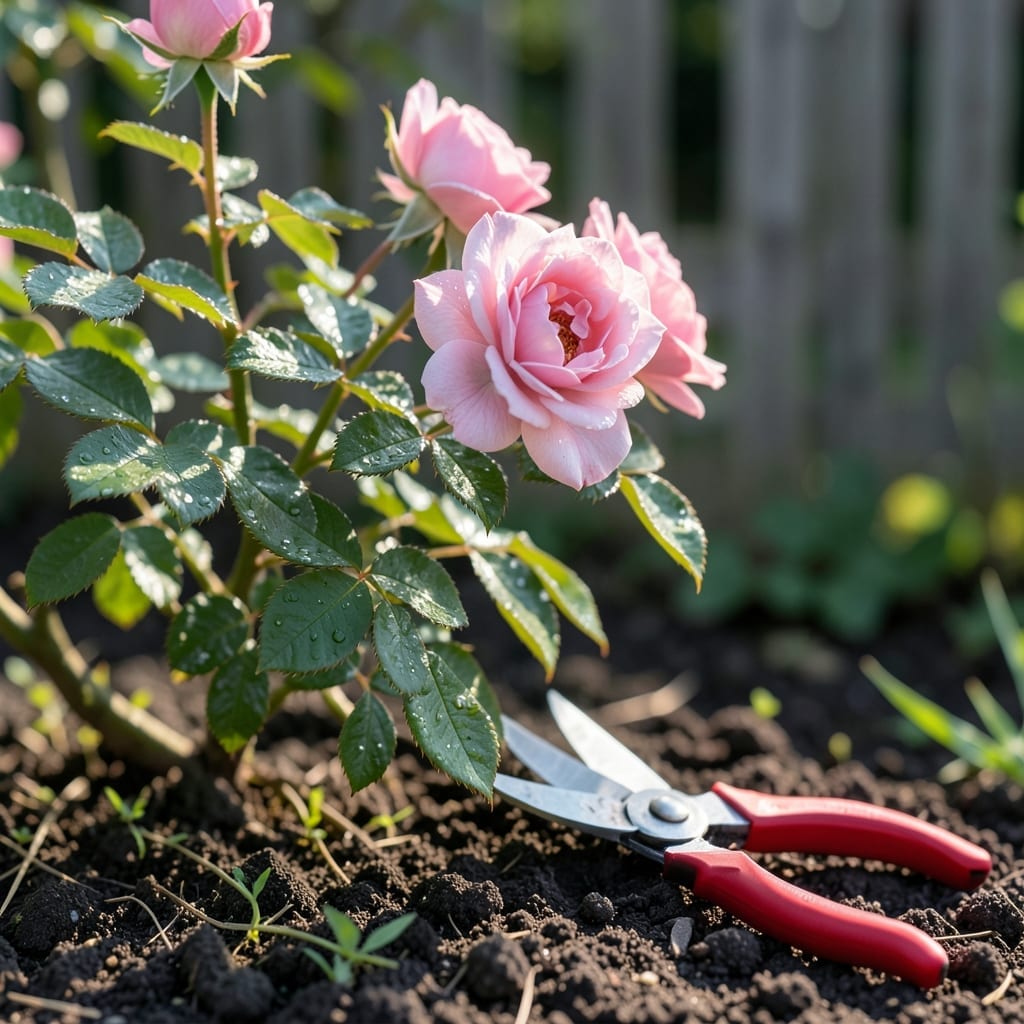
Timing your rose bush pruning in Texas can mean the difference between vibrant, healthy blooms and a struggling 🌹 plant. The Lone Star State’s unique climate demands a tailored approach.
I’ve learned that pruning at the wrong time can set back your Rose’s growth for an entire season. Getting it right ensures lush blooms and stronger plants.
Discover the precise seasonal windows and Texas-specific tips that will transform your pruning routine. Let’s get started.
Texas gardeners know that pruning timing is everything for healthy rose bushes. The state’s diverse climate means what works in East Texas might not suit West Texas conditions.
I’ve found that late winter is ideal for most regions, but coastal areas may need adjustments. The key is watching for new growth signals from your plants.
| Season | Best Time | Texas Region |
| Winter | January-February | All regions |
| Spring | Early March | North & Central |
| Spring | Late February | South & Coastal |
| Fall | October-November | Light pruning only |
In North Texas, I recommend pruning in mid-February when frost danger has mostly passed. This gives roses time to recover before the growing season begins.
Central Texas gardeners can start a bit earlier, around late January. The milder winters here allow for earlier pruning without risking cold damage to new growth.
For South Texas and coastal areas, December pruning is often possible. The warmer climate means roses may start new growth earlier than in other parts of the state.
In West Texas, the harsher winters mean waiting until March is safest. I always check the weather forecast for late frosts before making those first cuts.
Avoid heavy pruning in summer as it can stress roses during peak heat. Light deadheading is fine, but save major cuts for the cooler months.
Remember that old garden roses often bloom on old wood, so they need different timing than hybrid teas. I always research my specific rose variety for best results.
After pruning, I fertilize lightly and water deeply to help my roses recover quickly. This post-pruning care makes a noticeable difference in bloom quality.
Watch for bud swelling as a sign it’s time to prune. This natural signal often coincides with the ideal pruning window for your specific microclimate. ✂️
Pruning rose bushes in Texas requires more than just timing. I’ve learned that proper techniques and post-pruning care make all the difference in our hot climate.
Using sharp bypass pruners is essential for clean cuts that heal quickly. I always sterilize tools between plants to prevent disease spread in my garden. ✂️
After pruning, I give my roses a deep watering to help them recover. In Texas, this means 1-2 inches of water per plant, applied slowly at the base.
Fertilizing is crucial post-pruning. I use a balanced 10-10-10 fertilizer, but wait 2-3 weeks after major cuts to avoid burning new growth.
Our Texas heat means I’m extra careful about sun protection after pruning. I apply mulch around the base to retain moisture and regulate soil temperature.
For repeat-blooming roses, I do light pruning after each bloom cycle to encourage more flowers. This works well with our long growing season.
Remember that newly planted roses need minimal pruning. I focus on removing only dead or damaged wood in their first year to reduce stress. 🌱