
Beautiful Plants For Your Interior
Beautiful Plants For Your Interior
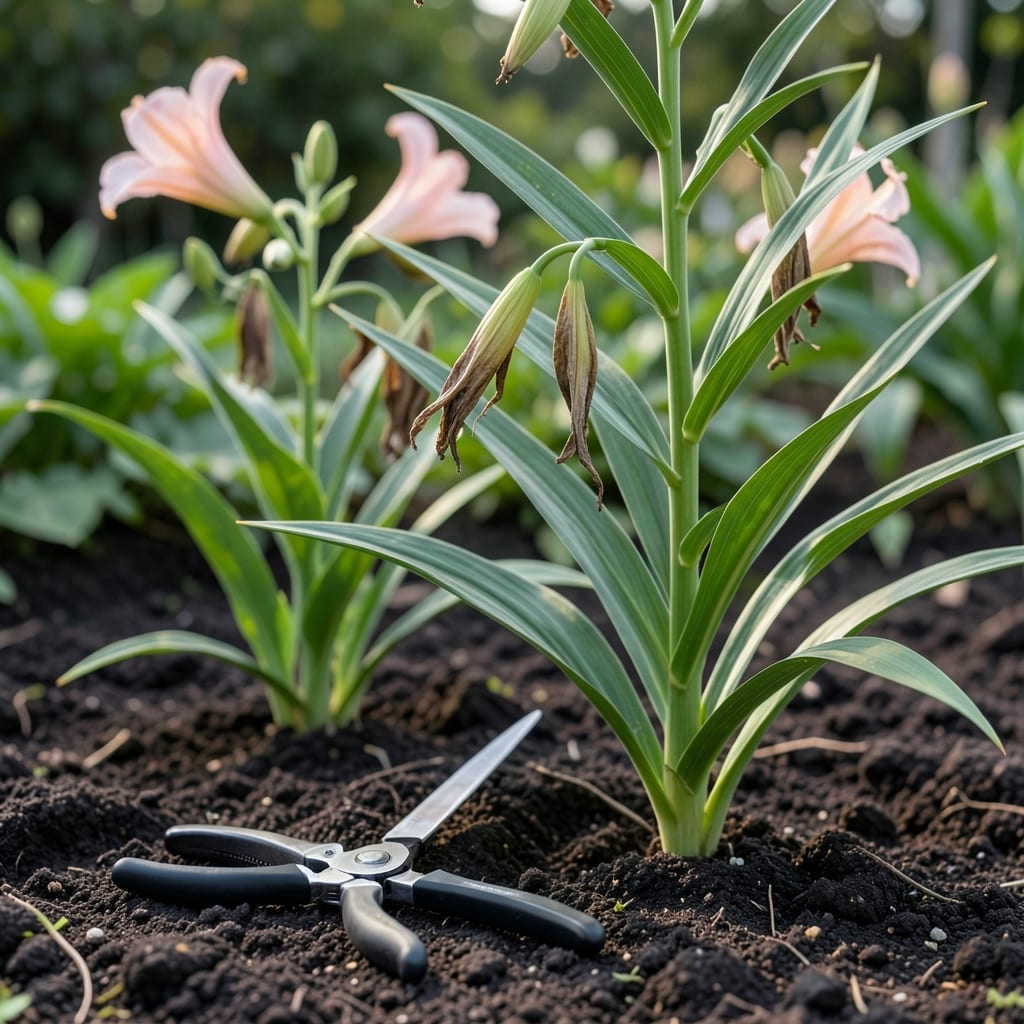
Trimming lilies at the right time is the key to vibrant blooms year after year. Doing it too early or too late can stunt growth or leave your garden looking messy.
I’ve learned that timing makes all the difference for healthy 🌷 Lily plants. Whether you’re new to gardening or a seasoned pro, knowing when to prune ensures your flowers thrive.
Discover the best seasonal approach to keep your lilies flourishing. Let’s break down what works and why timing matters so much.
Timing your lily trimming correctly ensures stronger blooms next season. I’ve found that following the plant’s natural cycle works best. Spring is for cleanup, while fall is for major pruning.
Each season has a specific role in lily care. From deadheading spent flowers in summer to cutting back foliage in autumn, timing is everything for healthy growth.
| Season | Action | Purpose |
|---|---|---|
| Spring | Remove dead foliage | Clean up winter damage |
| Summer | Deadhead faded blooms | Encourage new flowers |
| Fall | Cut back stems to ground | Prepare for dormancy |
In early spring, I always check for winter-damaged stems and remove them at the base. This prevents disease and lets the plant focus on new growth.
Summer deadheading is my favorite task. As soon as a lily bloom fades, I snip it off just below the flower head. This redirects energy to new buds and more blooms.
Wait until late fall for the big cutback. After the first frost kills the foliage, I trim stems to 2-3 inches above ground. This protects the bulb from winter cold.
For potted lilies, the timing is similar, but I watch for yellowing leaves as a sign it’s time. This usually happens a bit earlier than in-ground plants.
Avoid trimming in winter—the stems help protect the bulb and mark its location. I’ve lost bulbs by cutting too soon and forgetting where they were planted.
If you live in a warmer climate with mild winters, you might not need to cut back at all. I’ve seen lilies thrive with just occasional cleanup in these areas.
Remember, sharp tools are a must. I always use clean pruners to make precise cuts and prevent disease spread. It makes a noticeable difference in plant health.
By following this seasonal schedule, your lilies will reward you with bigger, brighter blooms every year. It’s a simple routine that pays off beautifully ✂️
Properly trimming lilies keeps them healthy and encourages more blooms. I always start with the right tools—a pair of sharp pruners and clean hands to avoid spreading disease.
First, focus on deadheading spent flowers. I snip just below the faded bloom but above the next set of leaves. This prevents seed formation and redirects energy to the plant.
When cutting back entire stems in fall, I make the cut at a 45-degree angle about 2-3 inches above the ground. This helps water drain away from the bulb and prevents rot.
Never remove healthy green leaves during the growing season. I learned this the hard way—those leaves are busy photosynthesis-ing to feed the bulb for next year’s blooms. Premature removal weakens the plant.
For diseased or yellowing foliage, I remove it immediately using clean pruners. I always disinfect my tools between cuts with rubbing alcohol to prevent spreading problems to healthy parts.
If you’re growing potted lilies, the process is similar, but watch for soil moisture after trimming. I find potted plants dry out faster after pruning, so I adjust my watering schedule accordingly.
With these simple techniques, your lilies will stay vibrant and healthy season after season ✂️