
Beautiful Plants For Your Interior
Beautiful Plants For Your Interior
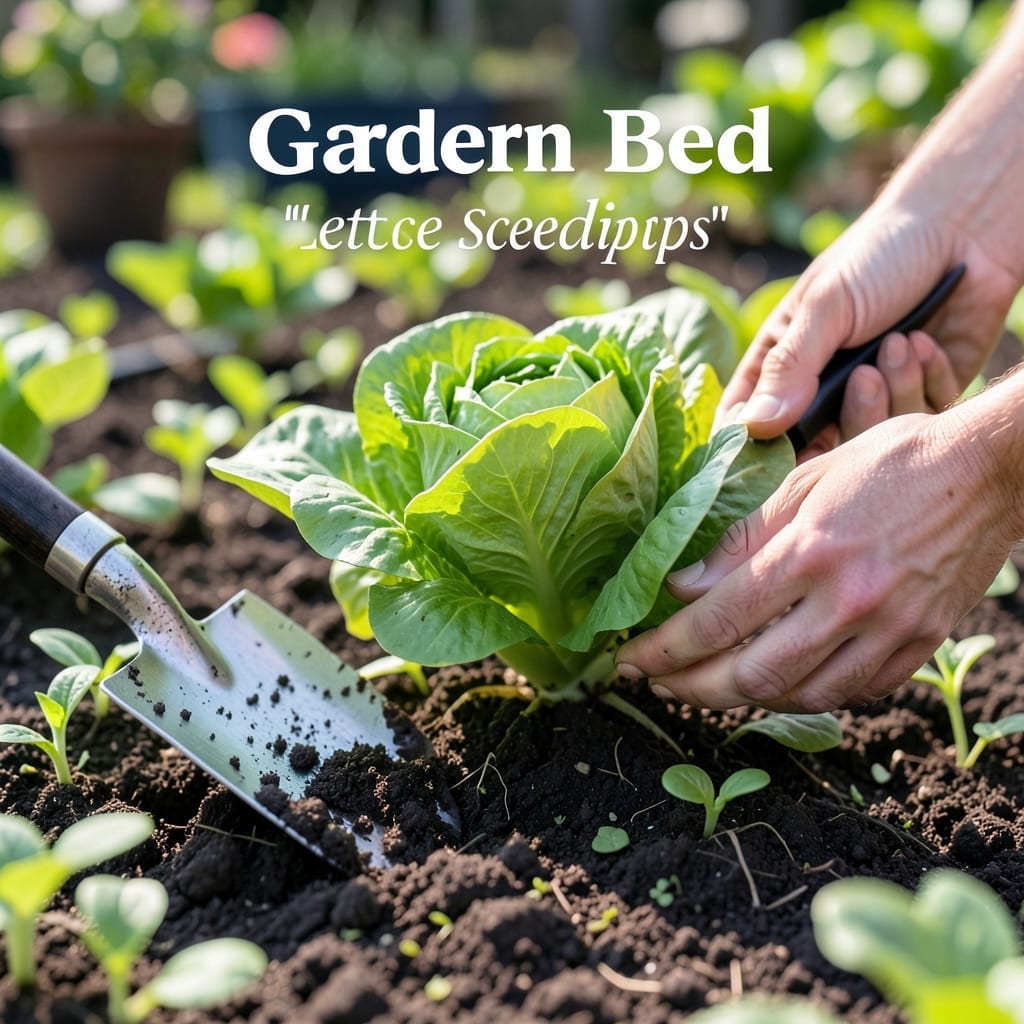
Transplanting Lettuce 🥬 at the right time is the secret to lush, healthy leaves and a bountiful harvest. Get it wrong, and you risk stunted growth or bolted plants.
In zone 6, timing is everything. The ideal window is typically March to April or late summer for a fall crop. But soil temperature and weather patterns play a huge role too.
I’ll show you exactly when to move your seedlings outside and how to prepare them for the big transition. Let’s get your Lettuce off to the best start possible.


Timing your lettuce transplant is crucial for healthy growth. As a cool-season crop, lettuce thrives in 40-60°F soil and prefers air temps between 45-65°F for best results.
In most regions, this means transplanting 2-4 weeks before your last spring frost or 4-6 weeks before the first fall frost. This timing helps avoid bolting while maximizing your growing window.
| Requirement | Specification |
|---|---|
| Soil Temperature | 40-60°F |
| Air Temperature | 45-65°F |
| Spring Timing | 2-4 weeks before last frost |
| Fall Timing | 4-6 weeks before first frost |
| Hardiness Zones | 3-9 |
For spring planting, I start seedlings indoors about 4-6 weeks before the last frost date. This gives them enough time to develop strong root systems before moving outdoors.
In warmer climates (zones 7-9), you can often transplant lettuce year-round except during peak summer heat. The key is avoiding temperatures above 75°F, which can cause premature bolting.
For fall crops, count backward from your first frost date. Lettuce needs about 30-70 days to mature, so timing is everything for a successful harvest before winter sets in.
I always check my local weather forecast before transplanting. A sudden cold snap can damage young lettuce plants, so I keep row covers handy for unexpected temperature drops.
Soil preparation is just as important as timing. Lettuce prefers loose, well-draining soil rich in organic matter. I work in compost before planting to give my seedlings the best start.
Remember that leaf lettuce varieties like Black Seeded Simpson or Salad Bowl are more cold-tolerant. They can handle light frosts, making them ideal for early spring or late fall planting.
If you’re in zone 6 like me, aim to transplant around late March to early April for spring crops. For fall, late August to early September works well for most varieties.
Finally, always harden off your seedlings for 7-10 days before transplanting. This gradual exposure to outdoor conditions prevents transplant shock and gives your lettuce the best chance to thrive.
🌱Transplanting lettuce seedlings requires careful preparation for optimal survival. I always begin by hardening off my seedlings to acclimate them to outdoor conditions.
Start the process 7-10 days before transplanting by placing seedlings outside for 1-2 hours in a shaded spot, gradually increasing exposure each day.
Once hardened off, I prepare the garden bed by loosening the soil to 12 inches deep and mixing in compost for added nutrients. This creates the perfect environment for lettuce roots to establish quickly.
When planting, I space my lettuce seedlings about 6-12 inches apart. This spacing allows for good air circulation while giving each plant enough room to grow to its full 1-foot width. ✂️
I plant each seedling at the same depth it was growing in its container. Planting too deep can suffocate the stem, while planting too shallow may expose the roots. Getting this right helps prevent transplant shock.
After transplanting, I give my lettuce a deep watering to help settle the soil around the roots. Then I apply a layer of mulch to conserve moisture and keep the soil temperature stable. This is especially important for cool-season crops like lettuce.
For the first week after transplanting, I keep a close eye on my lettuce. I water daily if there’s no rain, and I check for signs of stress like wilting or yellowing leaves. With proper care, my lettuce usually perks up within 2-3 days. 🌱