
Beautiful Plants For Your Interior
Beautiful Plants For Your Interior
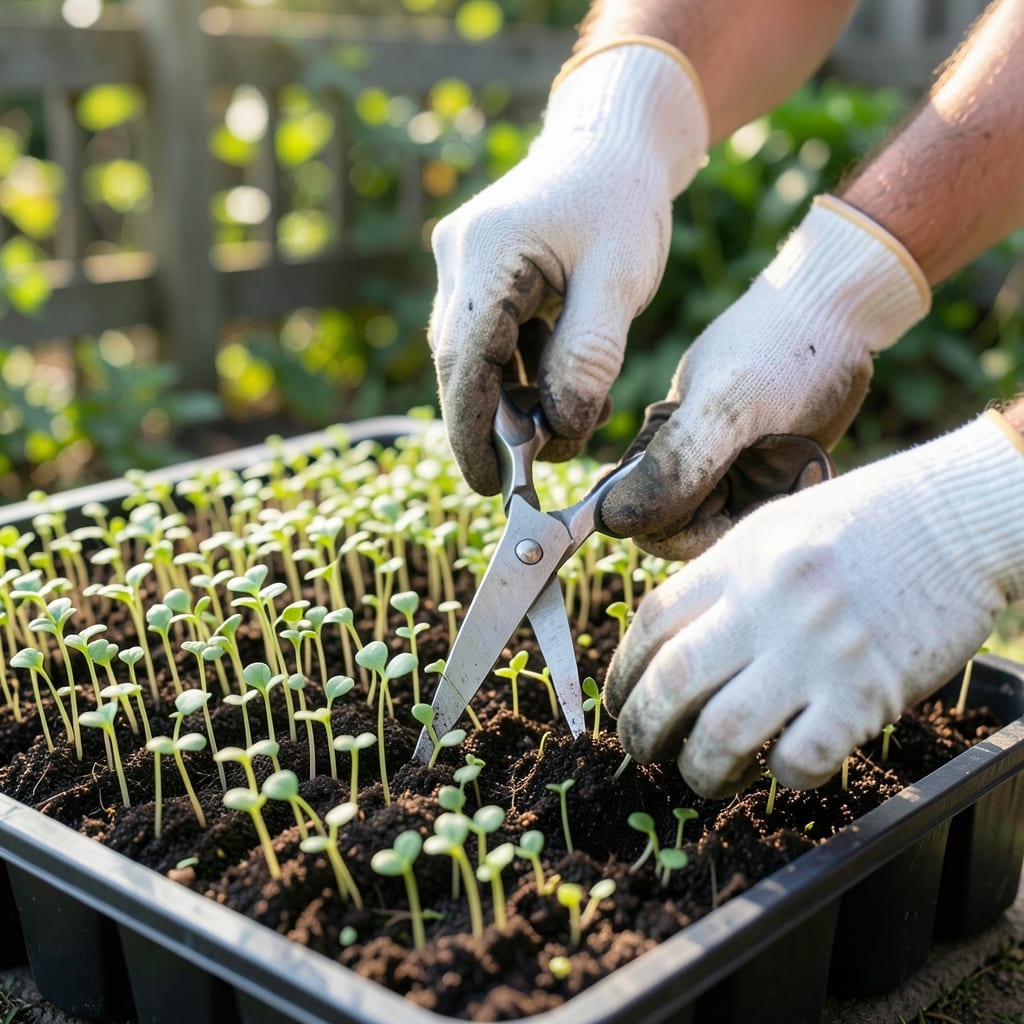
Thinning seedlings is a crucial yet often overlooked step in gardening that can mean the difference between weak, crowded plants and a thriving, productive garden. Knowing when and how to thin ensures each General Seedlings 🌱 has the space, nutrients, and light it needs to grow strong.
I’ve seen many gardeners struggle with stunted growth simply because they missed this key step. The timing is everything – too early or too late can both spell trouble for your plants.
Let me walk you through the most important signals to watch for and the best practices for thinning your General Seedlings without causing unnecessary stress to the remaining plants.
Timing is everything when it comes to thinning seedlings. I always watch for the first true leaves to appear, which typically happens after the initial cotyledons. This is your first sign that the plants are ready for more space to grow.
Another clear indicator is overcrowding. When seedlings start competing for light and nutrients, they’ll become leggy or weak. This usually occurs when they reach about 2-3 inches tall and have developed a strong root system.
| Stage | Action |
|---|---|
| Cotyledons only | Too early to thin |
| 2-3 true leaves | Ideal time to thin |
| Crowding visible | Thin immediately |
| Leggy growth | Thin to prevent stress |
| Strong stems | Ready for transplant |
I’ve found that morning thinning works best. The plants are more resilient early in the day, and the soil is usually moister, making it easier to remove unwanted seedlings without disturbing the roots of the ones you keep.
For leafy greens like lettuce or spinach, thin when the seedlings are about 2 inches tall. For larger plants like tomatoes or peppers, wait until they’re 3-4 inches tall with a few sets of true leaves.
If you notice yellowing leaves or stunted growth, these are signs your seedlings are stressed and need thinning immediately. Don’t wait until they start dying back—act at the first sign of trouble.
Another tip: water your seedlings thoroughly before thinning. This helps the soil hold together better, reducing the risk of pulling up the wrong plants or damaging the roots of the ones you want to keep.
I also pay attention to the spacing requirements for each plant type. For example, carrots need about 2 inches between seedlings, while broccoli requires 12-18 inches. Always check the seed packet for specific guidelines.
Finally, don’t discard those thinned seedlings! If they’re healthy and have a good root system, you can often transplant them to another part of the garden or share them with fellow gardeners. Just handle them gently to avoid shocking their systems.
Thinning might feel counterintuitive, but it’s one of the best things you can do for your garden’s overall health and productivity 🌱
Thinning seedlings properly ensures stronger plants and better yields. I always start by watering the soil thoroughly an hour before thinning. This keeps the root systems intact and makes removal easier without disturbing neighbors.
Use sharp scissors or small pruners to snip unwanted seedlings at soil level. Pulling can uproot nearby plants. Be precise to avoid damaging the remaining seedlings you want to keep.
For delicate seedlings like lettuce, I thin in stages. First thin to double the final spacing, then repeat a week later. This reduces shock and lets me assess the strongest plants over time.
Always thin in the early morning when plants are most resilient. Avoid doing this in hot afternoon sun or when soil is dry, as both conditions stress the remaining seedlings.
If you’re thinning root crops like carrots or radishes, be extra gentle. Their roots are sensitive, and disturbing them can cause forking or stunted growth. Use scissors to avoid pulling.
Finally, don’t waste healthy thinned seedlings. If they have good root development, transplant them to another bed or share with gardening friends. This turns a necessary task into an opportunity for more plants 🌱