
Beautiful Plants For Your Interior
Beautiful Plants For Your Interior
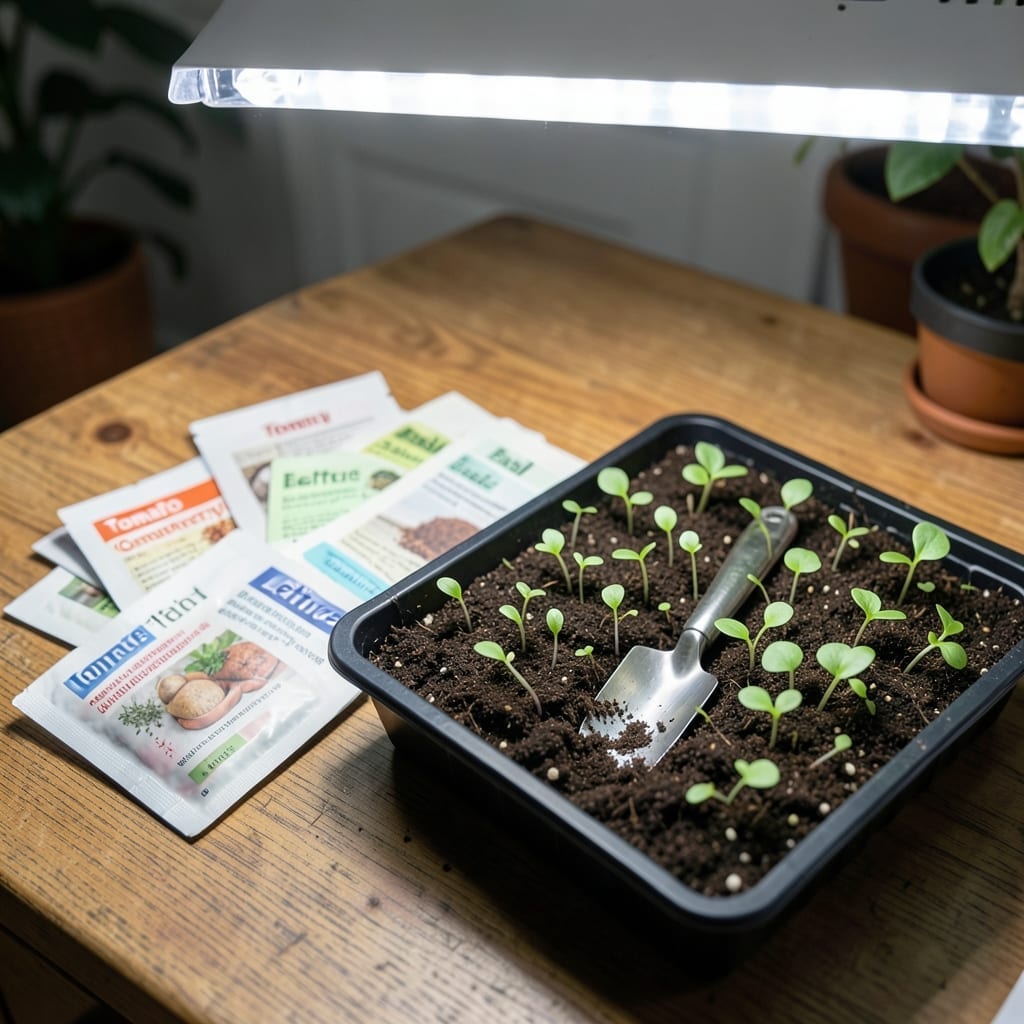
Timing is everything when starting General Vegetables indoors in Illinois. Get it right, and you’ll enjoy a thriving garden; get it wrong, and you risk weak plants or missed opportunities.
In our 5b-6a zone, the spring planting window is February through April. That means your indoor seed starting schedule needs precise calculation.
I’ll show you exactly when to begin for each type of vegetable, accounting for our April 15 last frost date. No more guessing games.
Discover the simple system that takes the uncertainty out of seed starting. Your most productive growing season starts with this timing.
In Illinois Zone 5, your indoor seed starting schedule hinges on our April 15 last frost date. I’ve found that starting too early leads to leggy seedlings, while starting too late means missed growing opportunities.
Each plant type has its own ideal timeline. Tomatoes and peppers need 8-10 weeks indoors, while lettuce and spinach only require 4-6 weeks. This variation is why a calendar is essential.
| Plant Type | Weeks Before Last Frost | Indoor Start Date |
|---|---|---|
| Tomatoes | 8-10 weeks | Mid-February |
| Peppers | 8-10 weeks | Mid-February |
| Broccoli | 6-8 weeks | Early March |
| Lettuce | 4-6 weeks | Late March |
| Cucumbers | 3-4 weeks | Early April |
For flowers, petunias and impatiens need 10-12 weeks indoors. Start these in late January for vibrant blooms by summer.
Herbs like basil and parsley do well with 6-8 weeks indoors. I begin these in early March to ensure strong, flavorful plants.
Remember, these are general guidelines. Always check your seed packets for specific recommendations. Some varieties may need slight adjustments to these timelines.
I’ve learned that grow lights are essential for early starters. Without them, seedlings can become leggy and weak, struggling to thrive once transplanted.
Keep your seedlings in a warm location, ideally 70-75°F. A heat mat can help maintain consistent temperatures, especially in colder months.
Don’t forget to harden off your seedlings before transplanting. This process acclimates them to outdoor conditions, reducing transplant shock.
With this calendar, you’ll be well on your way to a successful growing season in Illinois Zone 5 🌱
Starting seeds indoors in Illinois Zone 5 isn’t just about timing—it’s about creating the right conditions. I’ve learned that even perfect timing fails without proper light and temperature control. Your seedlings need consistent warmth and brightness to thrive before transplanting.
Our April 15 last frost date means you’ll be nurturing young plants for 6-8 weeks indoors. That’s plenty of time for issues to arise if your setup isn’t dialed in. Let me share what really matters beyond the calendar.
I can’t stress enough how grow lights outperform windowsills in our cloudy Midwest springs. Even south-facing windows often don’t provide enough consistent light for stocky seedlings. A simple LED grow light setup pays for itself in healthier plants.
Temperature swings are another silent killer. Keep your seed trays on a heat mat until germination, then move to a slightly cooler spot. 65-70°F is ideal for most vegetables after they sprout. I use a digital thermometer to monitor conditions closely.
Your seed-starting mix should be light and fluffy, not regular potting soil. I recommend a blend with peat moss and perlite for best results. And
Finally, choose varieties bred for short growing seasons. In Illinois, we need tomatoes that mature in 70 days or less, and peppers that can handle our cooler nights. Always check the days to maturity on seed packets.
These factors work together to give your seeds the best start possible in our challenging climate.