
Beautiful Plants For Your Interior
Beautiful Plants For Your Interior
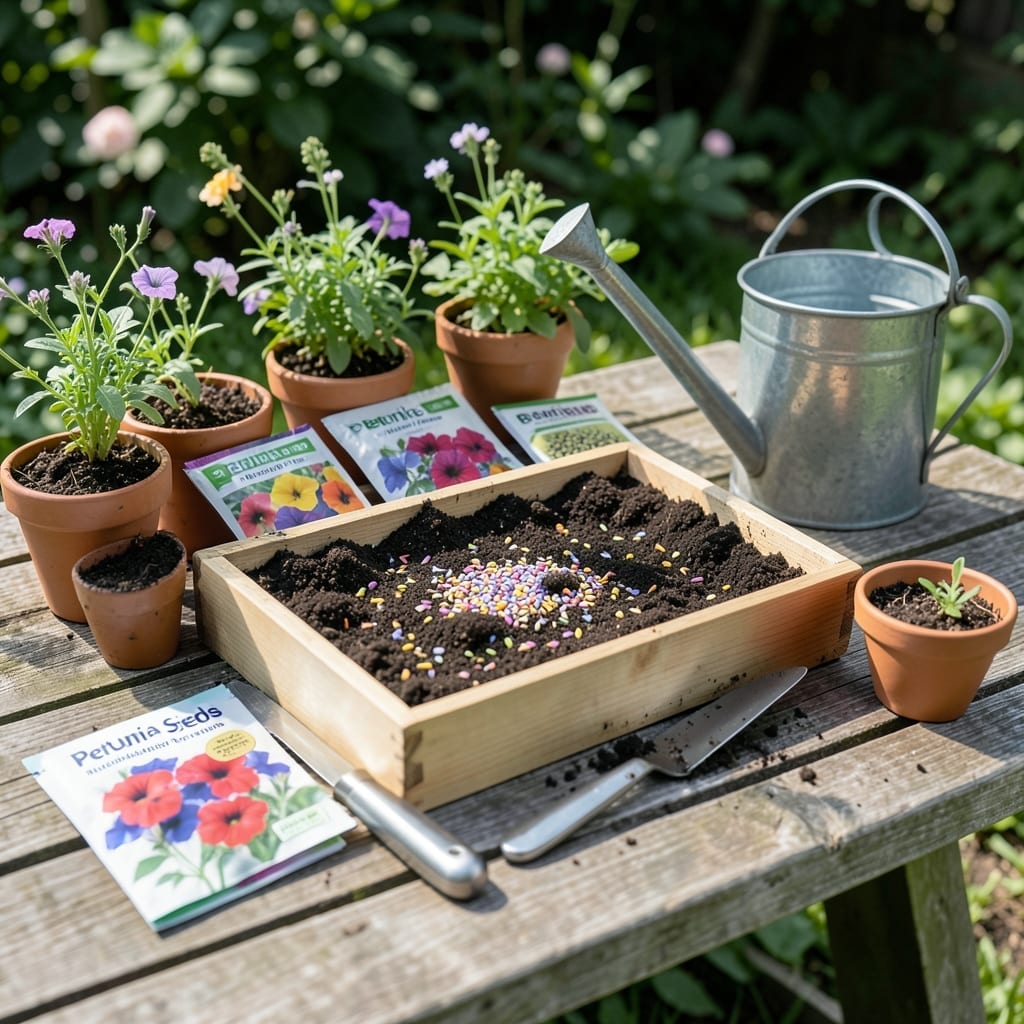
Timing is everything when it comes to planting Flower seeds—start too early or too late, and your garden could suffer. I learned this the hard way after a few disappointing growing seasons.
Discovering the perfect schedule changed everything for me. Whether you’re in zone 6 or another region, understanding your local climate is the key to success.
I’ll walk you through when to begin, whether indoors or out, so you can enjoy vibrant blooms from June to October. No more guessing games or wasted seeds.
Learn how to align your planting with nature’s rhythm. Your future garden will thank you for getting this right from the start.


I know how exciting it is to see those first flower blooms in spring. But timing your seed planting right is crucial for healthy growth and vibrant colors all season long.
Your USDA hardiness zone determines the best window. In warmer zones like 9-11, you can start as early as January indoors. Cooler zones like 3-5 typically begin in March or April.
| Zone | Start Indoors | Direct Sow Outdoors |
|---|---|---|
| 3-4 | March 1-15 | May 15-June 1 |
| 5-6 | February 15-March 1 | April 15-May 1 |
| 7-8 | January 15-February 1 | March 15-April 1 |
| 9-11 | December 1-January 15 | February 1-March 1 |
For annual flowers like marigolds or zinnias, I recommend starting indoors 6-8 weeks before your last frost date. This gives them a head start before transplanting.
Perennial flowers often need 8-12 weeks indoors. Varieties like coneflowers or black-eyed Susans benefit from this longer indoor period to establish strong roots.
If you’re direct sowing, wait until the soil temperature reaches at least 60°F. Many warm-season flowers like cosmos or sunflowers thrive when planted this way.
For cool-season flowers such as pansies or snapdragons, you can plant earlier. These can often handle a light frost and even benefit from cooler temperatures.
Remember that soil preparation is just as important as timing. I always amend my soil with compost before planting to give my flowers the best start possible.
And finally, keep an eye on the weather forecast. A late frost can set back even the hardiest seedlings, so I recommend having frost protection ready just in case. 🌱
I’ve experimented with both indoor seed starting and direct outdoor sowing, and each has its advantages. The method you choose can make a big difference in your flower garden’s success.
For me, indoor starting gives delicate flowers like petunias or impatiens a protected environment to grow strong before facing the elements. It’s ideal for regions with short growing seasons.
I find that annual flowers like marigolds and zinnias do exceptionally well when started indoors. This gives them the 6-8 week head start they need to produce blooms earlier in the season.
For hardy annuals like sweet peas or nasturtiums, direct sowing often works better. These can handle cooler soil and may even resent being transplanted.
Perennial flowers typically benefit from indoor starting. Varieties like delphiniums or columbines need that extra time to develop strong root systems before facing outdoor conditions.
Remember that indoor starting requires proper equipment. I always use grow lights and heat mats to ensure consistent warmth and light for my seedlings. Without these, they can become leggy and weak.
Ultimately, the best method depends on your climate, the flower types you’re growing, and your available resources. I recommend trying both approaches to see what works best in your garden. 🌿