
Beautiful Plants For Your Interior
Beautiful Plants For Your Interior
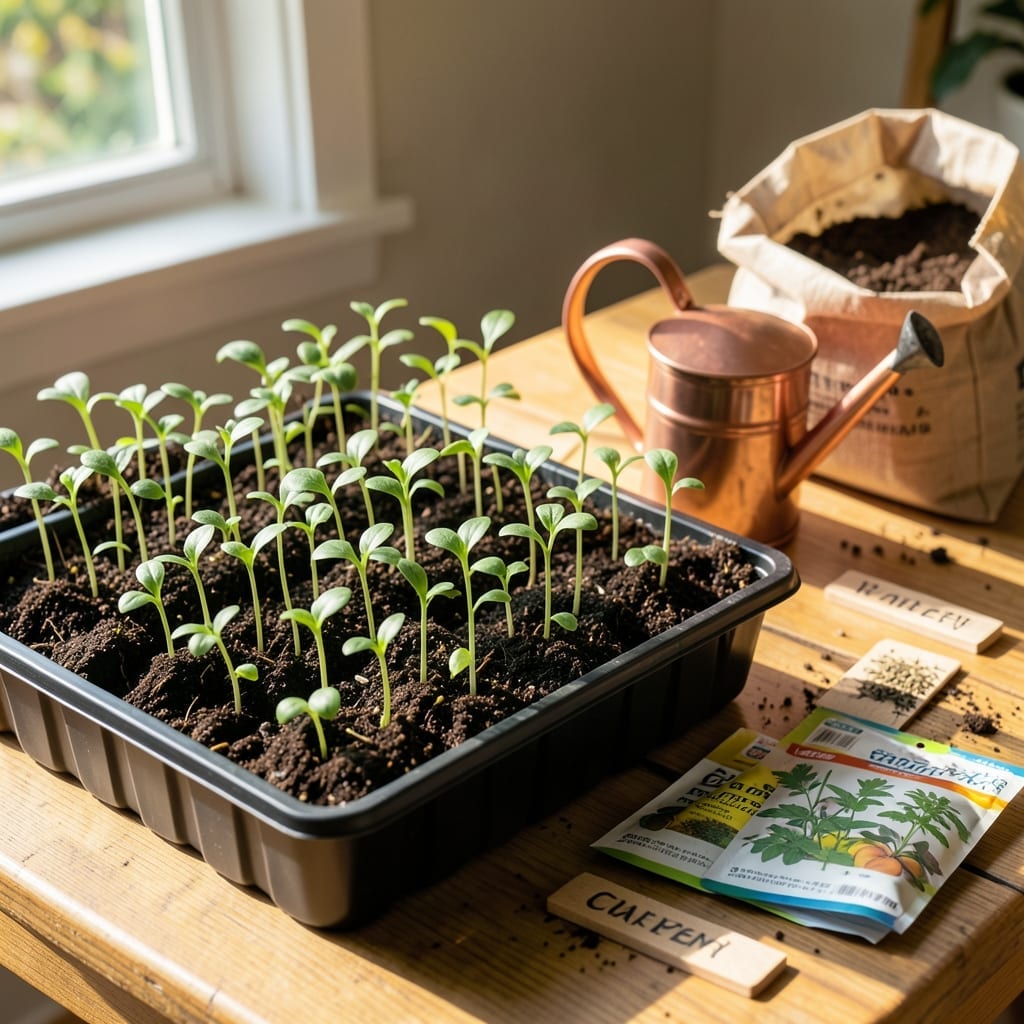
Timing is everything when starting seeds indoors—plant too early and you’ll have leggy General Seedlings, too late and you’ll miss the growing season. This guide helps you nail the perfect start for your zone.
I remember my first attempt at indoor seed starting ended with weak, stretched 🌱 General Seedlings that barely survived. The problem wasn’t the seeds—it was the timing. Getting this right makes all the difference.
Discover how to align your indoor seed starting with your last frost date and local climate. Let’s turn those seed packets into thriving plants.
Getting your indoor seed starting timing right is crucial for strong, healthy seedlings. I learned this the hard way when my first batch of tomato seedlings became tall and weak from starting too early.
Your USDA hardiness zone determines the perfect window. Most seeds need 6-8 weeks indoors before the last frost date to develop properly. 🌱
| Plant Type | Zone 3-4 | Zone 5-6 | Zone 7-8 | Zone 9-10 |
|---|---|---|---|---|
| Tomatoes | March 15 | February 15 | January 15 | December 15 |
| Peppers | March 1 | February 1 | January 1 | November 15 |
| Broccoli | April 1 | March 1 | February 1 | January 1 |
| Marigolds | April 1 | March 15 | February 15 | January 15 |
For Zone 6 gardeners, like me, mid-February is ideal for tomatoes and peppers. These warm-season crops need that extra indoor time to mature before the last frost date around April 15.
Cool-season vegetables like broccoli and kale can start a bit later, about 4-6 weeks before transplanting. This gives them time to develop without getting too large for their containers. 🌿
Always check your seed packet for specific recommendations. Some varieties have unique requirements that may differ from the general guidelines. I keep a gardening journal to track what works best in my area.
Remember, your indoor environment matters too. Seedlings need 12-16 hours of bright light daily. A south-facing window works, but grow lights are more reliable for consistent results.
Maintain consistent moisture in your seed-starting mix. I use a spray bottle to gently mist the soil, preventing disturbance of the delicate seeds. The soil should feel like a wrung-out sponge—not soggy. ✂️
Temperature is another key factor. Most seeds germinate best at 70-75°F. A seedling heat mat can help maintain this ideal temperature, especially in cooler homes.
As your seedlings grow,
Your USDA zone gives a starting point, but local climate can shift your timeline. I adjust my schedule based on microclimates and weather patterns in my area. 🌱
If you live near a large body of water, your last frost might come later. Urban areas often have slightly warmer temperatures than rural spots just a few miles away.
I use a soil thermometer to confirm my garden soil has warmed to at least 60°F before transplanting warm-season crops. This prevents shock to tender seedlings. 🌿
For cool-season crops like lettuce and spinach, I start seeds indoors 4-5 weeks before transplanting. These can tolerate cooler soil but still benefit from a head start.
Keep a gardening log to track your successes and failures. Note when you started seeds, transplant dates, and how plants performed. This data helps refine your timing each year.
Remember that indoor conditions affect growth rates. Seedlings under grow lights may develop faster than those in a sunny window. Adjust your schedule accordingly. ✂️