
Beautiful Plants For Your Interior
Beautiful Plants For Your Interior
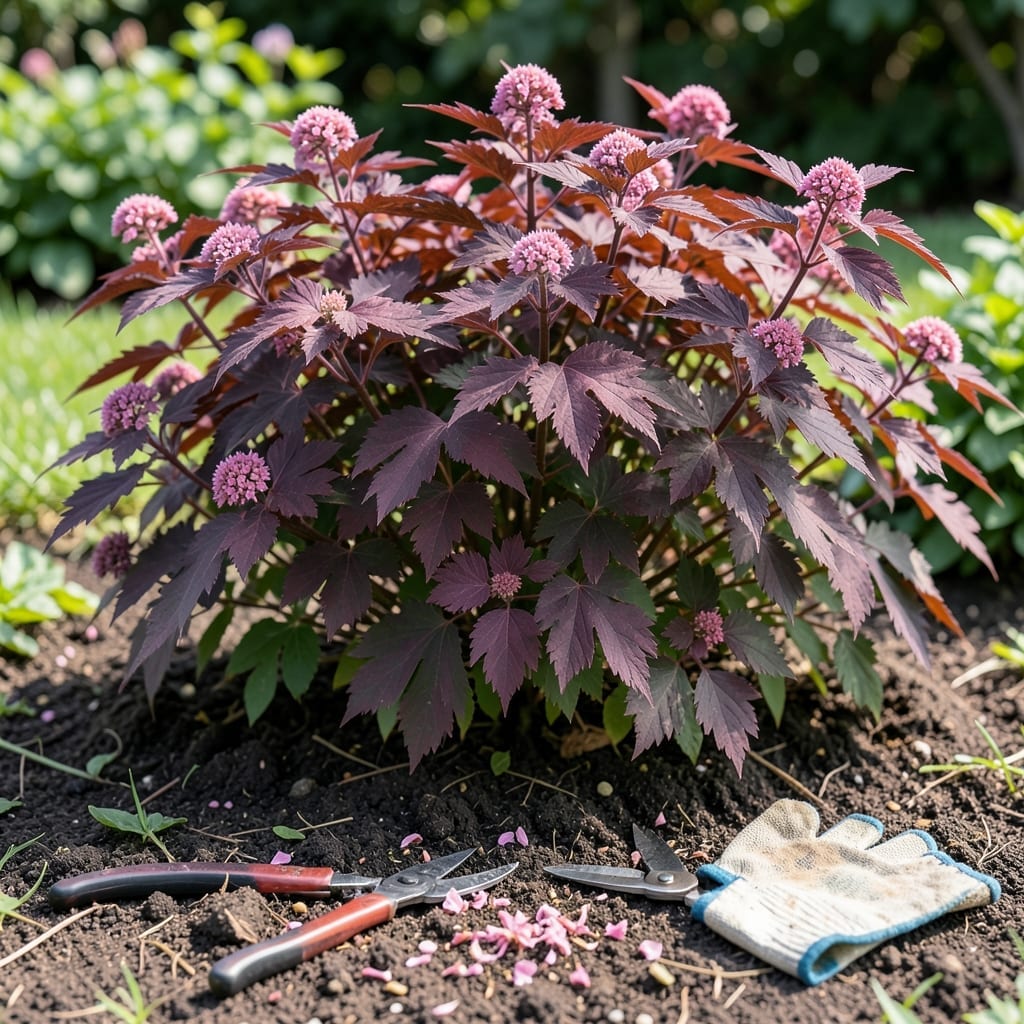
Pruning your Ninebark 🌿 at the right time ensures vibrant foliage and healthy growth all season long. Timing is everything for this hardy shrub.
I’ve learned that a simple trim at the perfect moment can transform your garden’s appearance. Whether you’re a seasoned gardener or just starting out, getting this right makes all the difference.
Let me walk you through the best practices for keeping your Ninebark thriving. We’ll cover when to pick up those pruners and why it matters so much.
The best time to prune your Physocarpus (or Ninebark) is in late winter or early spring. This timing helps the shrub focus its energy on new growth and vibrant blooms.
Pruning before new leaves appear ensures you won’t accidentally remove flower buds. It also allows the plant to heal quickly in the warming weather. ✂️
| Stage | Action |
|---|---|
| Late Winter | Remove dead or damaged branches |
| Early Spring | Shape the shrub before new growth |
| Avoid Late Summer | Prevents cutting off next year’s buds |
In colder climates, aim for March to prune your Physocarpus. This gives the shrub time to recover before the growing season kicks in.
If you live in a milder region, you can prune as early as February. Just make sure the worst of the frost has passed to avoid cold damage. 🌱
Pruning in summer or fall can lead to reduced flowering the following year. The shrub sets its buds in late summer, so trimming then removes potential blooms.
For rejuvenation pruning, cut back the entire shrub by one-third every few years. This keeps the plant vigorous and encourages fresh, healthy growth.
Always use clean, sharp tools to make precise cuts. This minimizes stress on the plant and helps prevent disease. ✂️
If your Physocarpus looks overgrown, don’t hesitate to prune it back hard. This shrub is forgiving and will bounce back quickly with proper care.
Remember, the key to success is timing. Prune too late, and you risk losing blooms. Prune too early, and frost might damage new growth. 🌿
By following this schedule, your Physocarpus will reward you with lush foliage and abundant flowers every year. It’s a simple step that makes a big difference.
Pruning your Physocarpus doesn’t have to be complicated. I always start by gathering the right tools: sharp pruners, loppers, and gloves for protection. ✂️
First, I remove any dead or diseased branches at the base. This improves air circulation and prevents the spread of issues. Then, I focus on shaping the shrub by cutting back overgrown stems to a healthy bud.
For thinning cuts, I remove entire branches at their base. This opens up the center of the shrub, allowing sunlight to reach inner foliage. It’s a great way to maintain a natural shape.
When making heading cuts, I trim just above a leaf node. This encourages bushier growth and keeps the shrub compact. Avoid cutting randomly, as this can create an unnatural look. 🌱
I always prune at a 45-degree angle just above a bud. This helps water run off the cut and prevents rot. It’s a small detail that makes a big difference in plant health.
Finally, I step back and admire my work. A well-pruned Physocarpus looks tidy and vibrant. With the right techniques, your shrub will thrive and become the star of your garden. 🌿