
Beautiful Plants For Your Interior
Beautiful Plants For Your Interior
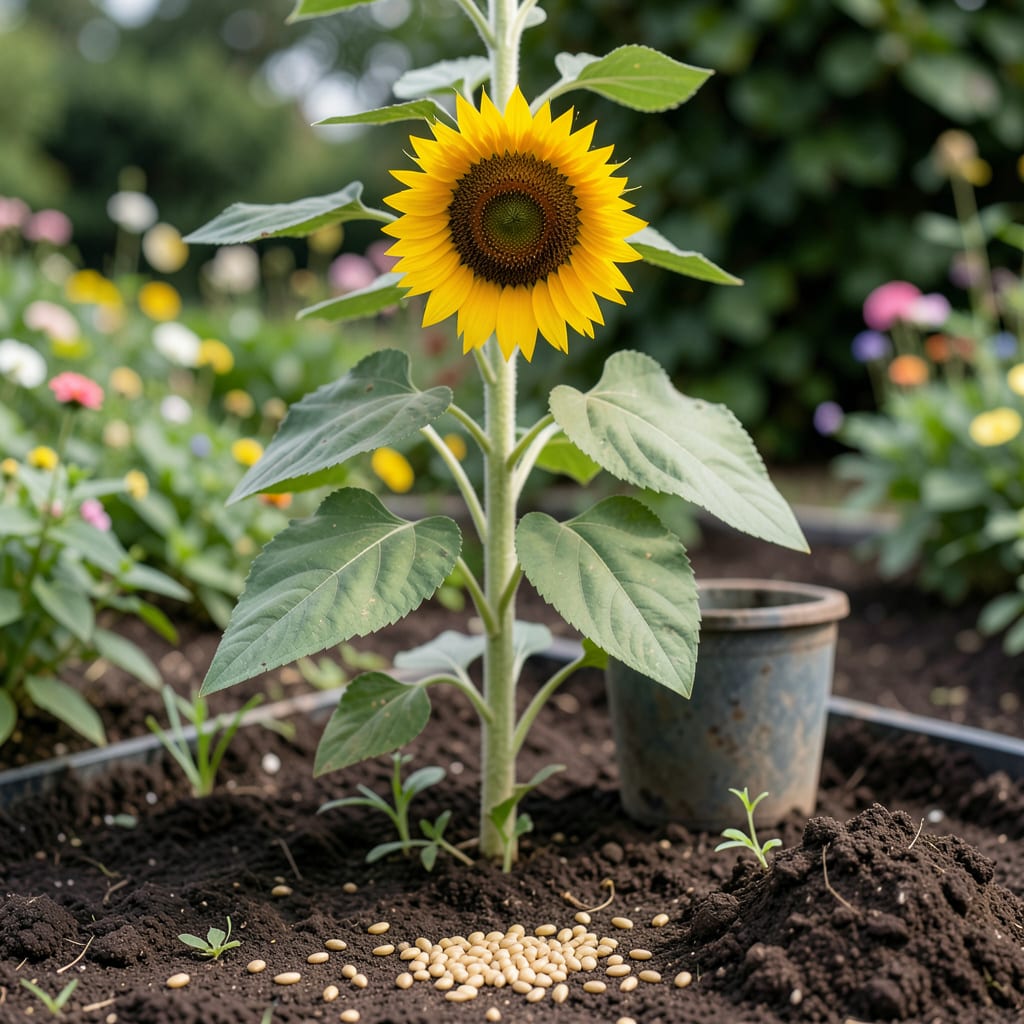
As an Ohio gardener, you’re probably eager to see those beautiful Sunflowers 🌻 bloom in your garden. The key to success lies in timing – planting at the right moment can make all the difference in their growth and blooming.
In Ohio’s USDA Zone 6a, the ideal time to plant sunflowers is in late spring, after the last frost date, typically around late April to early May. This allows them to mature during the warm summer months.
Ohio gardeners can enjoy vibrant sunflowers all summer long by planting at the perfect time. Knowing when to plant sunflowers in Ohio is crucial for optimal growth and blooming. The ideal time to plant sunflowers in Ohio is in late spring, after the last frost date, typically around late April to early May.
Understanding Ohio’s climate and frost dates is essential to determine the ideal sunflower planting times. Ohio falls within USDA Zone 6a, which means it experiences cold winters and warm summers. Sunflowers thrive in Ohio’s climate when planted at the right time, allowing them to mature during the warm summer months 🌻.
The last frost date is a critical factor in determining when to plant sunflowers in Ohio. Planting after this date ensures that young sunflower seedlings won’t be damaged by frost. Ohio’s average last frost date is around April 15, so gardeners should plan to plant sunflowers in late April or early May 🌱.
Soil temperature is another important consideration. Sunflowers prefer soil that has warmed up to at least 55°F (13°C) for optimal germination and growth. By late April, soil temperatures are usually suitable for sunflower planting in Ohio.
Ohio’s 180 frost-free days provide ample time for sunflowers to mature. Most sunflower varieties take between 60 to 90 days to reach maturity, so planting in late April or early May allows for a mid-summer to early fall harvest 🌼.
While the ideal planting window is late April to early May, gardeners can still achieve success by planting in March under cover or using cold-tolerant varieties. For a staggered harvest, additional plantings can be made at 2-3 week intervals through early summer.
Understanding these factors helps Ohio gardeners plan their sunflower planting effectively. By considering the last frost date, soil temperature, and the length of the growing season, gardeners can ensure optimal growth and blooming of their sunflowers 🌻.
For specific microclimates within Ohio, gardeners should consult local gardening resources or their county extension office for more precise planting dates. Local conditions can vary, affecting the optimal planting time.
Sunflowers are sensitive to frost, so it’s crucial to wait until the danger of frost has passed before planting outdoors. This typically aligns with the recommended planting time in late April to early May.
By planting sunflowers at the right time, Ohio gardeners can enjoy these beautiful flowers throughout the summer. Proper timing sets the stage for healthy growth, robust stems, and large, vibrant blooms that can reach heights of 6-12 feet or more.
In conclusion, the best time to plant sunflowers in Ohio is in late spring, after the last frost date, when soil temperatures have warmed up. This timing allows sunflowers to thrive during the warm summer months, resulting in a bountiful display of these iconic flowers 🌻.
Preparing your Ohio garden for sunflower planting involves several key steps to ensure successful cultivation. First, it’s essential to choose a location that receives full sun, as sunflowers require 6+ hours of direct sunlight daily to thrive 🌻.
Soil preparation is another critical factor. Sunflowers prefer well-drained soil with a pH between 6.0 and 7.0. Testing your soil to determine its pH and nutrient levels can help you make necessary amendments. Adding compost or well-rotted manure can improve soil fertility and drainage.
For optimal growth, ensure the soil is free of weeds and rich in organic matter. Sunflowers have deep taproots, so loosening the soil to a depth of at least 12 inches can promote healthy root development 🌱.
When planting sunflowers, spacing is crucial. For tall varieties, maintain a spacing of 18-24 inches between plants, while dwarf varieties can be spaced 6-12 inches apart. Proper spacing helps prevent overcrowding, reduces competition for resources, and promotes good air circulation 🌼.
In Ohio’s climate, it’s also important to consider the last frost date when planning to plant sunflowers. Typically, this date falls around April 15. Planting should be done after this date to avoid damage from frost. For a continuous bloom, consider staggered planting every 2-3 weeks through early summer 🌻.
By following these guidelines, Ohio gardeners can create an ideal environment for their sunflowers to grow. Proper preparation and timing are key to enjoying a vibrant display of sunflowers throughout the summer.
Additionally, consider the maturity days of the sunflower variety you’re planting. Most varieties take between 60 to 90 days to mature. Choosing varieties with different maturity dates can extend the blooming period.
Sunflowers are also known for their height, which can range from 6-12 feet or more for standard varieties. Providing support for tall varieties can be beneficial, especially in windy conditions.
In summary, preparing your Ohio garden for sunflower planting involves selecting the right location, preparing the soil, and spacing plants appropriately. By following these steps and considering factors like the last frost date and variety maturity, you can enjoy a successful sunflower harvest 🌼.
After planting sunflowers in Ohio, proper care is essential to ensure they grow healthy and strong. One of the most critical factors is watering. Sunflowers need 1 inch of water per week, either from rainfall or irrigation. During dry spells, it’s crucial to water them deeply to encourage deep root growth 🌻.
Pest management is another vital aspect of caring for sunflowers in Ohio. Keep an eye out for common pests like aphids, spider mites, and birds. Regularly inspect your plants and use organic pest control methods when necessary to prevent infestations 🌼.
To maximize bloom size and health, ensure your sunflowers receive full sun and are planted in well-drained soil. Proper spacing, as discussed earlier, also plays a significant role in promoting healthy growth and preventing disease.
By following these care tips, Ohio gardeners can enjoy a vibrant display of sunflowers throughout the summer. With the right care, sunflowers can grow tall and strong, providing a stunning backdrop for any garden 🌻.
In summary, caring for sunflowers after planting in Ohio involves regular watering, fertilization, pest management, and support for tall varieties. By following these guidelines, gardeners can ensure their sunflowers thrive and produce large, beautiful blooms.
Sunflowers prefer soil that has warmed up to at least 55°F (13°C) for optimal germination and growth. This temperature is usually reached in late April in Ohio. Proper soil temperature ensures healthy root development and robust plant growth.
Sunflowers need 1 inch of water per week, either from rainfall or irrigation. Water them deeply once a week during dry periods to encourage deep root growth. Consistent moisture promotes healthy growth and large blooms.
While it’s possible to plant sunflowers in March under cover or using cold-tolerant varieties, the ideal time is typically late April to early May after the last frost date. This timing ensures optimal growth and blooming.
Sunflowers in Ohio can grow to varying heights depending on the variety. Standard varieties can reach 6-12 feet or more, while dwarf varieties typically grow to 2-4 feet. Proper spacing and care support healthy growth.
