
Beautiful Plants For Your Interior
Beautiful Plants For Your Interior
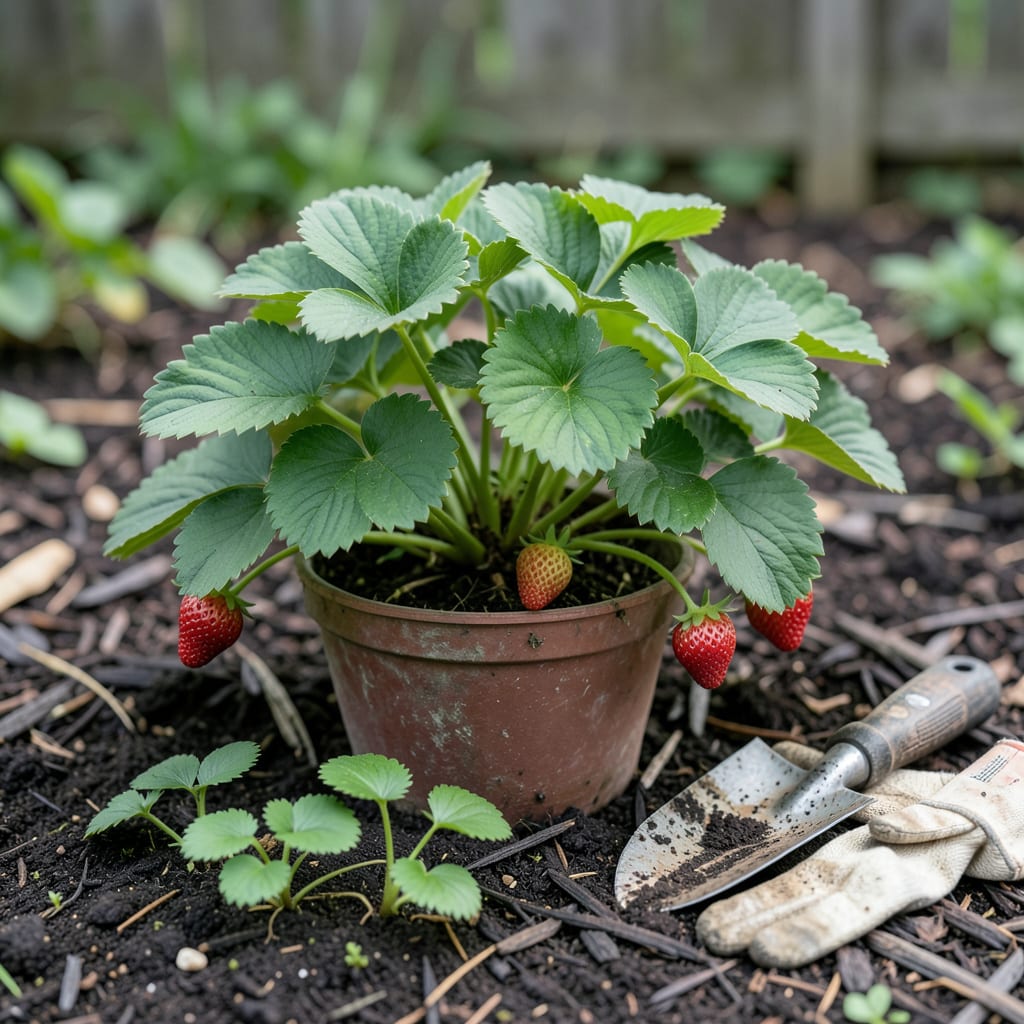
Growing strawberries 🍓 in North Carolina can be a rewarding experience with the right timing. In zones 7b/8a, you’ll want to plant at the perfect moment to beat the heat and frost.
The ideal time to plant strawberries in NC is in late winter to early spring, about 4-6 weeks before the last frost date, or in late summer to early fall. This timing sets you up for a successful harvest in April-May or September-October.
When it comes to planting strawberries in North Carolina, timing is everything. The state’s temperate climate with mild winters and hot summers means you need to choose the right moment to plant for a bountiful harvest 🌟.
The ideal time to plant strawberries in NC is during late winter to early spring or late summer to early fall. This allows the plants to establish themselves before the heat of summer or the cold of winter 🌿.
Understanding these key factors will help you determine the best time to plant strawberries in your specific area of North Carolina. For spring planting, aim for 4-6 weeks before the last frost date, while for fall planting, do it 8 weeks before the first frost 🌟.
By planting at the right time, you’ll give your strawberries the best chance to thrive in North Carolina’s climate. The moderate temperatures and adequate moisture during these periods promote healthy growth and fruit production 📈.
It’s also crucial to consider the soil temperature when planting strawberries. The ideal soil temperature for planting is above 40°F (4°C), which usually occurs in early spring 🔥.
North Carolina’s USDA zones (7b/8a) have a frost-free period of about 180 days, which is sufficient for strawberry production. This allows for two potential harvest seasons: April-May for spring planting and September-October for fall planting 🍓.
For gardeners in NC, understanding these climate considerations is key to successful strawberry cultivation. By choosing the right planting time and preparing your soil properly, you’ll be enjoying fresh strawberries in no time 🌼.
Whether you’re a seasoned gardener or just starting out, strawberries are a great choice for North Carolina gardens. They’re relatively easy to grow and can thrive in a variety of conditions, making them perfect for both beginners and experienced gardeners 🌱.
To maximize your strawberry yield, be sure to select a variety that’s well-suited to the NC climate. Some popular varieties for the region include ‘Chandler’, ‘Camarosa’, and ‘Festival’ 🍓.
By following these guidelines and planting at the optimal time, you’ll be on your way to enjoying a delicious strawberry harvest in North Carolina. Happy gardening! 🌻
Before planting strawberries in North Carolina, it’s essential to prepare your garden properly. This involves selecting the right location and preparing the soil to ensure optimal growing conditions 🌿.
Strawberries require full sun to produce well, so choose a location that receives at least 6 hours of direct sunlight per day. The soil should be well-draining and rich in organic matter 🌟.
Test your soil pH and amend it if necessary. Strawberries prefer a slightly acidic to neutral soil pH (5.5-6.5).
To prepare your soil, start by removing any weeds or debris from the planting area. Then, add compost or well-rotted manure to improve soil fertility and drainage 🌱.
It’s also a good idea to test your soil pH and adjust it if necessary. Strawberries prefer a slightly acidic to neutral soil pH, between 5.5 and 6.5 🔬.
In North Carolina, it’s recommended to plant strawberry varieties that are resistant to common diseases in the region, such as ‘Chandler’, ‘Camarosa’, and ‘Festival’ 🍓.
By following these steps and preparing your garden properly, you’ll be well on your way to growing delicious strawberries in North Carolina. Happy gardening! 🌼
Additionally, consider rotating your crops to avoid depleting the soil of nutrients and to reduce the risk of disease 🔄.
For optimal results, plant strawberries in a location with good air circulation to prevent fungal diseases 🌬️.
By taking the time to properly prepare your garden, you’ll be rewarded with a bountiful harvest of delicious strawberries 🍓.
After planting strawberries in North Carolina, proper care is crucial for a successful harvest. This includes regular watering, fertilization, and pest management 🌿.
Strawberries need consistent moisture, especially during their first growing season. Water them weekly, providing about 1 cup of water per plant 💧.
By following these post-planting care tips, you’ll be able to enjoy a bountiful harvest of delicious strawberries in North Carolina.
For optimal results, consider mulching around your plants to retain moisture and suppress weeds. This will help your strawberries thrive and make maintenance easier 🍓.
With proper care and attention, your strawberry plants will reward you with a abundant harvest. Happy gardening! 🌻
The key to successful strawberry cultivation in North Carolina is a combination of proper timing, soil preparation, and ongoing care. By following these guidelines, you’ll be well on your way to enjoying fresh, homegrown strawberries 🌸.
Regular maintenance is essential for healthy strawberry plants. This includes removing weeds, monitoring for pests, and fertilizing regularly 🔄.
The ideal time to plant strawberries in NC is in late winter to early spring or late summer to early fall. For spring planting, aim for 4-6 weeks before the last frost date, while for fall planting, do it 8 weeks before the first frost. This allows the plants to establish themselves before extreme weather conditions.
Strawberries need consistent moisture, especially during their first growing season. Water them weekly, providing about 1 cup of water per plant. Adjust based on weather conditions to prevent overwatering.
For North Carolina’s climate, it’s recommended to plant varieties that are resistant to common diseases in the region. Popular choices include ‘Chandler’, ‘Camarosa’, and ‘Festival’. These varieties tend to perform well in NC’s temperate climate.
Start by removing weeds and debris, then add compost or well-rotted manure to improve soil fertility and drainage. Strawberries prefer a slightly acidic to neutral soil pH (5.5-6.5). Test your soil pH and amend it if necessary.
