
Beautiful Plants For Your Interior
Beautiful Plants For Your Interior
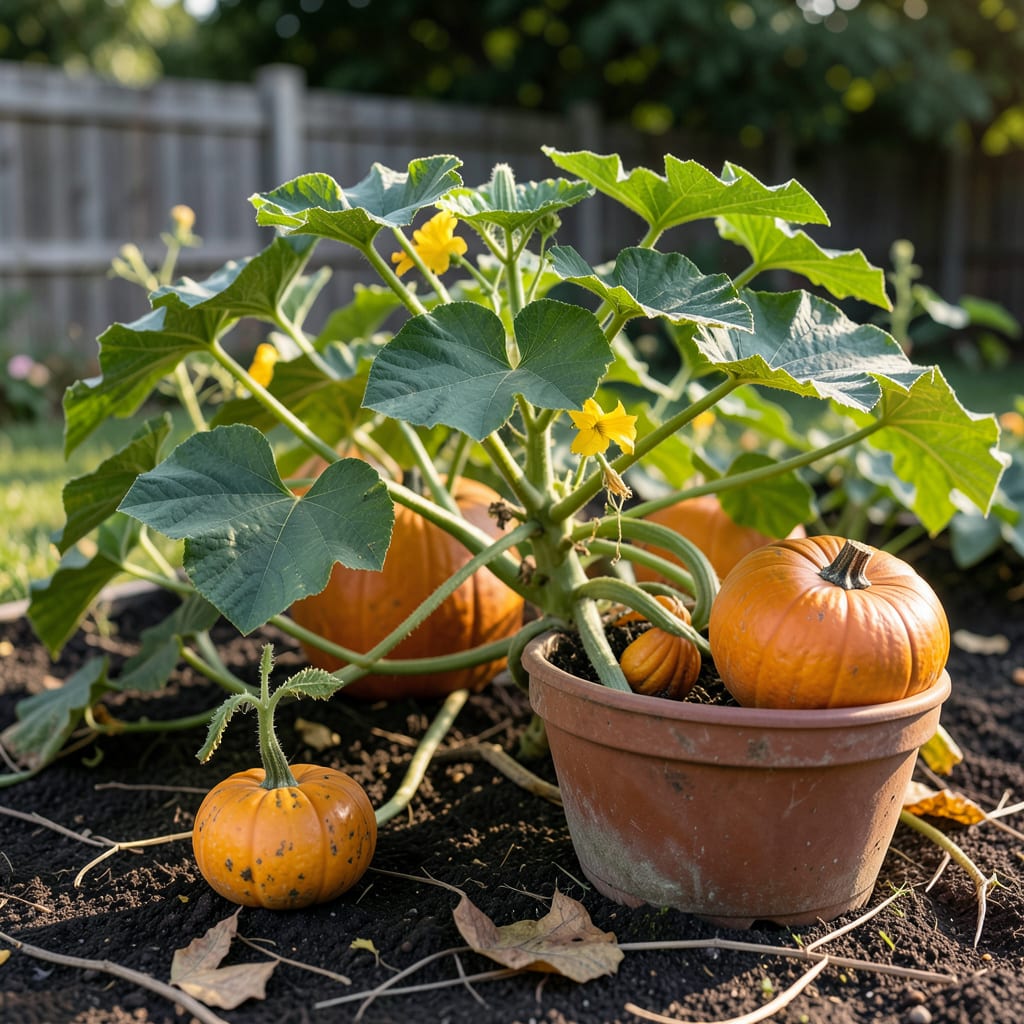
Growing pumpkins 🎃 in Oregon can be challenging due to the state’s climate variations, but with the right timing, you can enjoy a bountiful harvest. The key is understanding when to plant pumpkins in Oregon’s specific regions.
In Oregon’s USDA Zone 8b, the ideal time to plant pumpkins is in late May to early June, after the last frost date. This allows for 100-120 days of growth before the first fall frost, resulting in perfect pumpkins for the harvest season.
Understanding Oregon’s regional climate variations and frost dates is crucial for determining the optimal pumpkin planting times. The state’s diverse geography creates different growing conditions across regions.
In Oregon’s USDA Zone 8b, the ideal time to plant pumpkins is typically in late May to early June, after the last frost date. This timing allows for 100-120 days of growth before the first fall frost, which is essential for mature pumpkins.
Oregon’s climate varies significantly across different regions, affecting the optimal pumpkin planting timeline. The Willamette Valley and coastal regions have different microclimates that can influence planting dates and growth patterns.
To achieve the best results, pumpkin cultivation requires careful planning and attention to local climate conditions. The 100-120 day growing period is critical for producing mature pumpkins.
Successful pumpkin cultivation in Oregon involves understanding the state’s unique climate challenges and adapting planting schedules accordingly. The late May to early June planting window is generally recommended.
Regional variations in climate and frost dates play a significant role in determining the optimal pumpkin planting timeline. Gardeners should consult local frost dates and climate data for their specific area.
The 150 frost-free days in Oregon’s Zone 8b provide a suitable growing window for pumpkins. However, gardeners must be aware of the specific conditions in their region.
Pumpkin cultivation in Oregon requires a soil temperature of at least 65°F for optimal germination. This temperature is typically reached in late spring.
By understanding and adapting to Oregon’s regional climate variations, gardeners can successfully cultivate pumpkins. The key is to plant at the right time and provide optimal growing conditions.
With proper planning and attention to local climate conditions, Oregon gardeners can enjoy a bountiful pumpkin harvest. The September to October harvest season is the reward for careful planning and cultivation.
In conclusion, understanding Oregon’s ideal pumpkin planting timeline is essential for successful cultivation. By considering regional climate variations and frost dates, gardeners can optimize their pumpkin harvest. 🌼
Oregon’s diverse geography creates different growing conditions across regions, making it essential to understand how different areas affect pumpkin planting schedules and growth. The state’s climate varies significantly from the coastal regions to the Willamette Valley and eastern Oregon.
In the Willamette Valley, the ideal pumpkin planting time is typically in late May to early June, after the last frost date. This region’s climate is generally characterized by mild winters and warm summers, making it suitable for pumpkin cultivation.
Regional climate variations significantly impact pumpkin growth and development. Understanding these differences is crucial for successful cultivation.
The cooler coastal climate requires adjustments to planting schedules, while eastern Oregon’s warmer temperatures may allow for earlier planting. Gardeners must consider their specific region’s conditions.
By understanding regional considerations, Oregon gardeners can optimize their pumpkin planting schedules and improve their chances of a successful harvest. The key is to adapt to local climate conditions and frost dates.
Successful pumpkin cultivation in Oregon requires careful planning and attention to regional climate variations. Gardeners should consult local frost dates and climate data for their specific area to determine the best planting time.
In conclusion, regional considerations play a significant role in determining the optimal pumpkin planting timeline in Oregon. By understanding these factors, gardeners can achieve a bountiful harvest.
To achieve a bountiful pumpkin harvest in Oregon, gardeners must focus on proper soil preparation, variety selection, and understanding common challenges. The right techniques can significantly improve pumpkin quality and yield.
Test your soil and amend it with compost or well-rotted manure to improve its structure and fertility. Pumpkins thrive in well-draining soil with a pH between 6.0 and 6.8.
Selecting the right pumpkin variety is crucial for success in Oregon’s climate. Choose varieties that mature within 100-120 days to ensure they have enough time to ripen before the first frost. Some popular varieties for the region include ‘Atlantic Giant’ and ‘Sugar Pie’, known for their disease resistance and adaptability to the local climate.
Pumpkin cultivation in Oregon requires careful management of common challenges. Gardeners should be prepared to deal with powdery mildew, squash bugs, and vine borers. Regular monitoring and integrated pest management strategies can help mitigate these issues and ensure a healthy crop.
By focusing on soil health, selecting appropriate varieties, and managing potential challenges, Oregon gardeners can maximize their pumpkin harvest. Proper planning and attention to detail are key to successful pumpkin cultivation in the region.
With the right approach, gardeners can enjoy a successful and rewarding pumpkin harvest. The effort put into preparing the soil, choosing the right variety, and managing challenges will pay off with a bountiful yield of high-quality pumpkins. 🎃
In conclusion, maximizing your Oregon pumpkin harvest requires a combination of good soil preparation, appropriate variety selection, and effective management of common challenges. By following these tips, gardeners can achieve a successful and rewarding harvest.
The ideal time to plant pumpkins in Oregon is typically in late May to early June, after the last frost date. This allows for 100-120 days of growth before the first fall frost. Planting at this time ensures optimal growing conditions for pumpkins.
Oregon’s diverse geography creates different growing conditions across regions. The Willamette Valley has mild winters and warm summers, while coastal regions are cooler and more moist, and eastern Oregon is warmer. Understanding these regional differences is crucial for successful pumpkin cultivation.
Pumpkins thrive in well-draining soil with a pH between 6.0 and 6.8. Testing your soil and amending it with compost or well-rotted manure can improve its structure and fertility, leading to a healthier crop.
Common challenges include dealing with powdery mildew, squash bugs, and vine borers. Regular monitoring and integrated pest management strategies can help mitigate these issues and ensure a healthy crop.
