
Beautiful Plants For Your Interior
Beautiful Plants For Your Interior
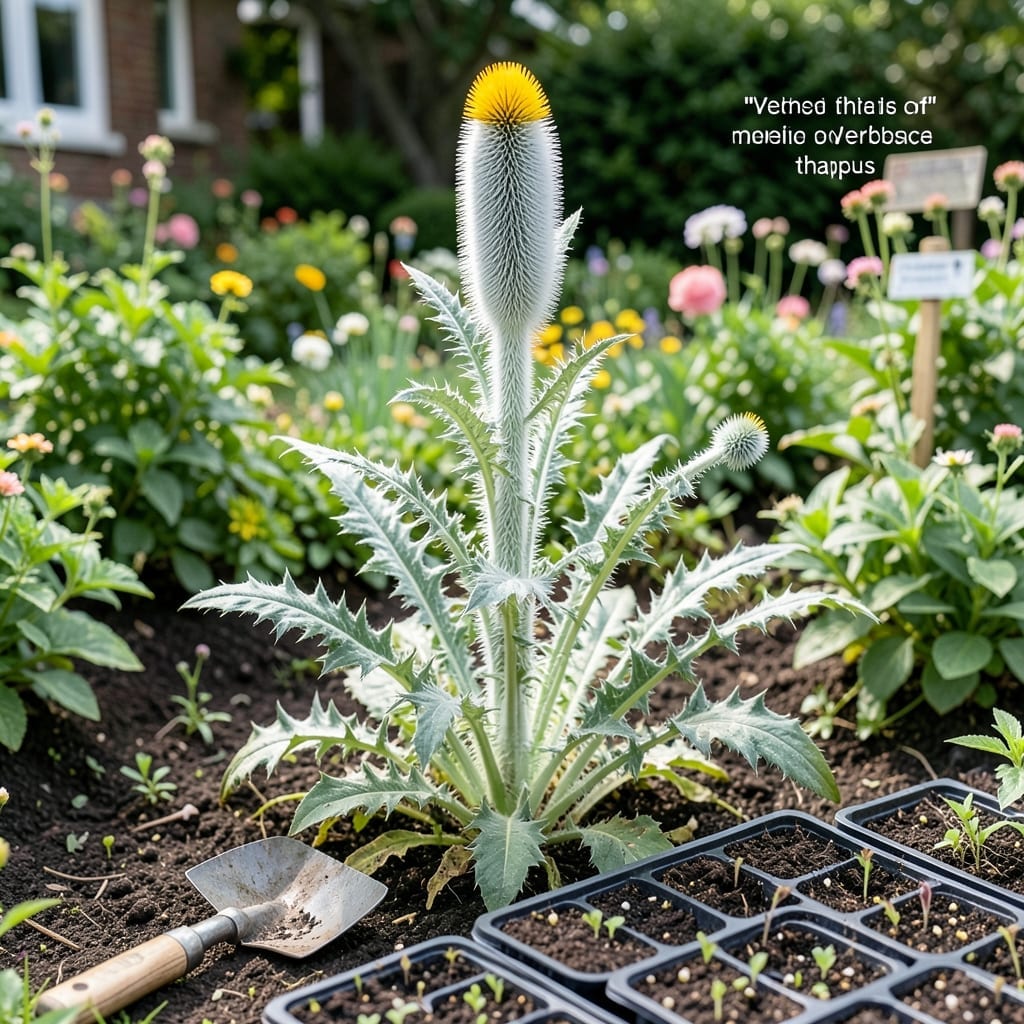
Timing is everything when planting Mullein 🌿 seeds—this hardy biennial thrives when sown at the right moment.
Whether you’re a seasoned gardener or just starting out, knowing the ideal window can make all the difference. In Zone 6a, spring planting from March to May sets you up for success.
Discover how to align your efforts with nature’s rhythm for strong roots and vibrant blooms. Let’s get your garden growing the right way.
Getting the timing right is key for mullein seeds to thrive. This hardy biennial prefers cool to warm temperatures for germination, making spring and early fall ideal in most regions.
In USDA Zone 6a, I recommend planting from March to May for the best results. This ensures your seeds have time to establish before the heat of summer or the first frost.
| Planting Time | Climate Zone | Notes |
|---|---|---|
| Early Spring | Zones 3-6 | March to April, after last frost |
| Late Spring | Zones 7-9 | April to May, warm soil |
| Early Fall | Zones 5-8 | September, before first frost |
| Mild Winter | Zones 9-11 | October to February, frost-free |
For cooler climates, early spring planting allows mullein to establish roots before summer. In warmer regions, late fall can work as the seeds will lie dormant until conditions are right.
Mullein seeds need light to germinate, so I always sow them directly on disturbed soil. Press them lightly into the earth without covering, as they thrive with exposure to sunlight.
If you’re in Zone 7 or warmer, you can also plant in late summer for a second growing season. Just ensure the soil stays moist until germination, which typically takes 2-3 weeks.
Watch for frost dates in your area. In Zone 6a, the last frost is around April 15, so planting after this date reduces the risk of cold damage to young seedlings.
For fall planting, aim to sow seeds at least 6-8 weeks before the first frost. This gives them enough time to germinate and develop a strong root system before winter.
I’ve found that mullein is drought-tolerant once established, but consistent moisture is crucial during the germination period. Keep the soil lightly moist but not waterlogged.
Full sun is ideal for mullein, so choose a spot with at least 6 hours of direct sunlight daily. This ensures robust growth and vibrant yellow flowers in the second year.
With the right timing and care, your mullein will reward you with tall, sturdy stalks and a long blooming season 🌿
Planting mullein seeds outdoors is straightforward if you follow a few key steps. I always start by selecting a sunny location with well-draining soil, as mullein thrives in these conditions.
Since mullein seeds need light to germinate, I sow them directly on the soil surface without covering. Gently press them into the earth to ensure good contact.
After sowing, I keep the soil consistently moist but not soggy. Overwatering can cause the seeds to rot, so I check the soil daily and water only when the top inch feels dry.
Once seedlings appear, I reduce watering to once a week, as mullein is drought-tolerant once established. This encourages deep root growth and stronger plants.
I also ensure the planting area receives full sun—at least 6 hours daily—to promote healthy growth. In shadier spots, mullein may grow leggy and weak.
Finally, I avoid fertilizing during the first year, as mullein prefers lean soil. Too much richness can lead to excessive leaf growth at the expense of flowers. Patience is key—your mullein will reward you with stunning yellow blooms in its second year 🌼