
Beautiful Plants For Your Interior
Beautiful Plants For Your Interior
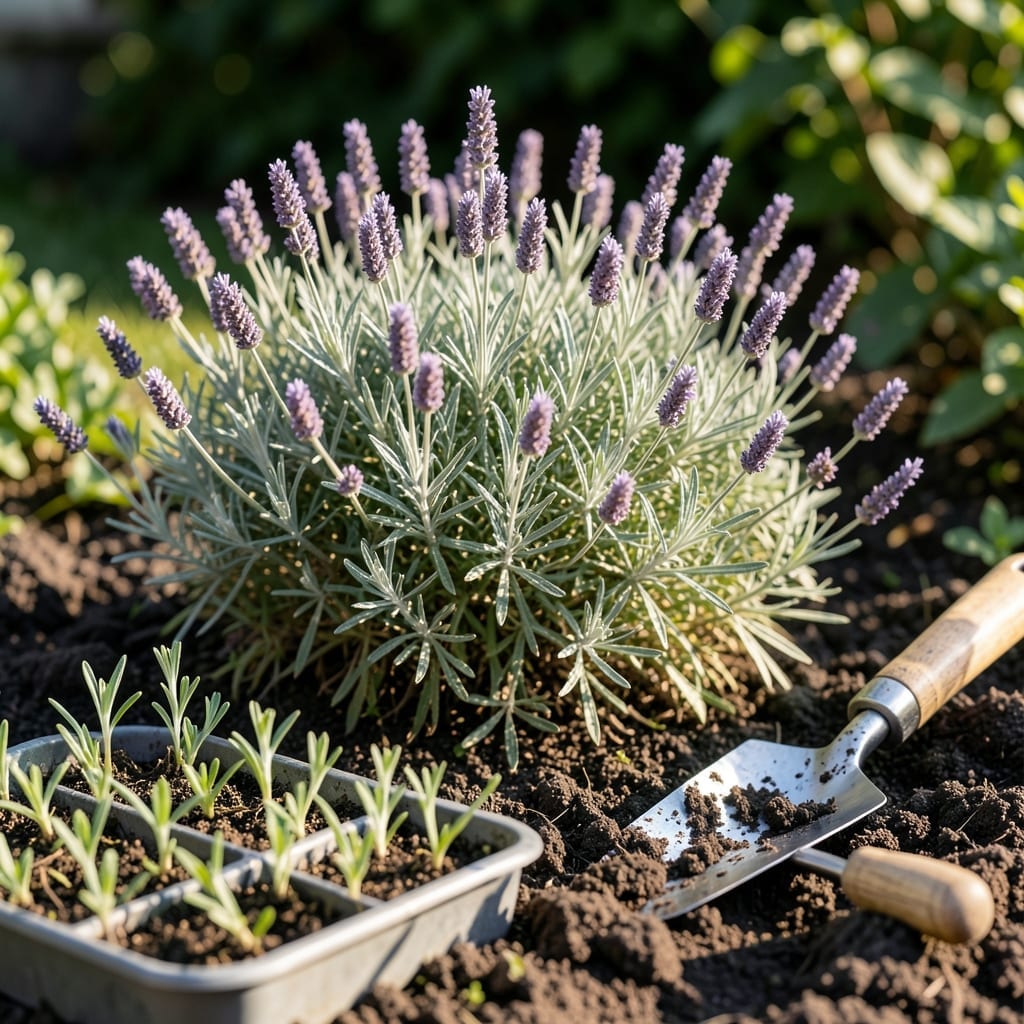
Timing can make or break your lavender garden. Plant too early, and frost might wipe out your 🟣 Lavender. Wait too long, and the summer heat could stress the young plants before they establish roots.
For zones 5-9, the sweet spot is spring or early fall. This gives your plants the best chance to settle in before extreme weather hits. The right timing means stronger growth and more vibrant blooms.
Discover exactly when to get your lavender in the ground for thriving results. I’ll walk you through the key factors that ensure success, no matter where you’re planting.
Timing your lavender planting perfectly sets the stage for a thriving garden. I’ve found that spring and early fall are the golden windows for most regions. These seasons give your plants the best shot at establishing strong roots before extreme weather hits.
For USDA zones 5-9, you’ll want to aim for March to May or September to October. This timing avoids the harshest cold and heat, allowing your lavender to settle in comfortably. Always check your local frost dates to fine-tune the schedule.
| Climate Zone | Best Planting Time | Key Consideration |
|---|---|---|
| Zones 5-6 | Late April to May | Avoid late fall planting |
| Zones 7-8 | March-April or September | Spring and fall both work |
| Zone 9 | February-March or October | Avoid summer heat stress |
In cooler zones 5-6, I recommend sticking to spring planting. The soil warms up nicely, and your lavender will have the entire growing season to establish itself before winter arrives. Fall planting in these areas can be risky due to early frosts.
For zones 7-8, you have more flexibility. Both spring and fall work well, but I’ve seen the best results with early fall planting. The soil stays warm longer, and the mild temperatures help roots grow strong before winter dormancy.
If you’re in zone 9, you can plant as early as February. However, avoid the peak summer months—the intense heat can stress young plants. October is another great window, giving your lavender time to root before any potential cold snaps.
Remember, soil temperature is just as important as air temperature. Lavender prefers well-draining soil that’s at least 60°F. Use a soil thermometer to check conditions before planting.
I always prepare my lavender beds with sandy loam and a bit of compost for extra drainage. This simple step makes a huge difference in preventing root rot, especially in areas with heavier clay soil.
Regional microclimates can also affect your planting schedule. If you live near a coastal area, the moderating effect of the ocean might allow for slightly earlier or later planting compared to inland areas at the same latitude.
Finally, watch the weather forecast as your planting date approaches. A sudden cold snap or heatwave could set back your young lavender plants. When in doubt, it’s better to wait a week for more favorable conditions than to rush and risk losing your plants.
By following these zone-specific guidelines and paying attention to your local conditions, you’ll give your lavender the best possible start for years of fragrant blooms and healthy growth ☀️
Getting lavender in the ground correctly is just as important as timing. I always start by preparing the soil—lavender thrives in well-draining, slightly alkaline conditions. Work in some sand or gravel to improve drainage if your soil is heavy.
Space your plants 18-24 inches apart to ensure good air circulation. This prevents fungal issues and gives each plant room to grow. Dig a hole twice as wide as the root ball but no deeper—lavender hates soggy roots.
After planting, I water deeply once to help the soil settle around the roots. Then, I hold off on watering again for 7-10 days—this encourages the roots to grow deep in search of moisture, making your lavender more drought-tolerant.
For the first few weeks, check your plants regularly. If the top inch of soil feels dry, give them a light watering. But remember, lavender prefers dry conditions over wet, so it’s better to underwater than overwater.
I’ve found that morning watering works best. It allows the foliage to dry quickly, reducing the risk of fungal diseases. Also, avoid wetting the leaves—direct the water to the base of the plant instead.
Finally, resist the urge to fertilize right away. Lavender doesn’t need rich soil. If you must, use a low-nitrogen fertilizer sparingly in the second year. Too much fertilizer can lead to leafy growth at the expense of those gorgeous blooms.
With these steps, your lavender will establish quickly and reward you with fragrant, vibrant blooms for years to come 🌿