
Beautiful Plants For Your Interior
Beautiful Plants For Your Interior
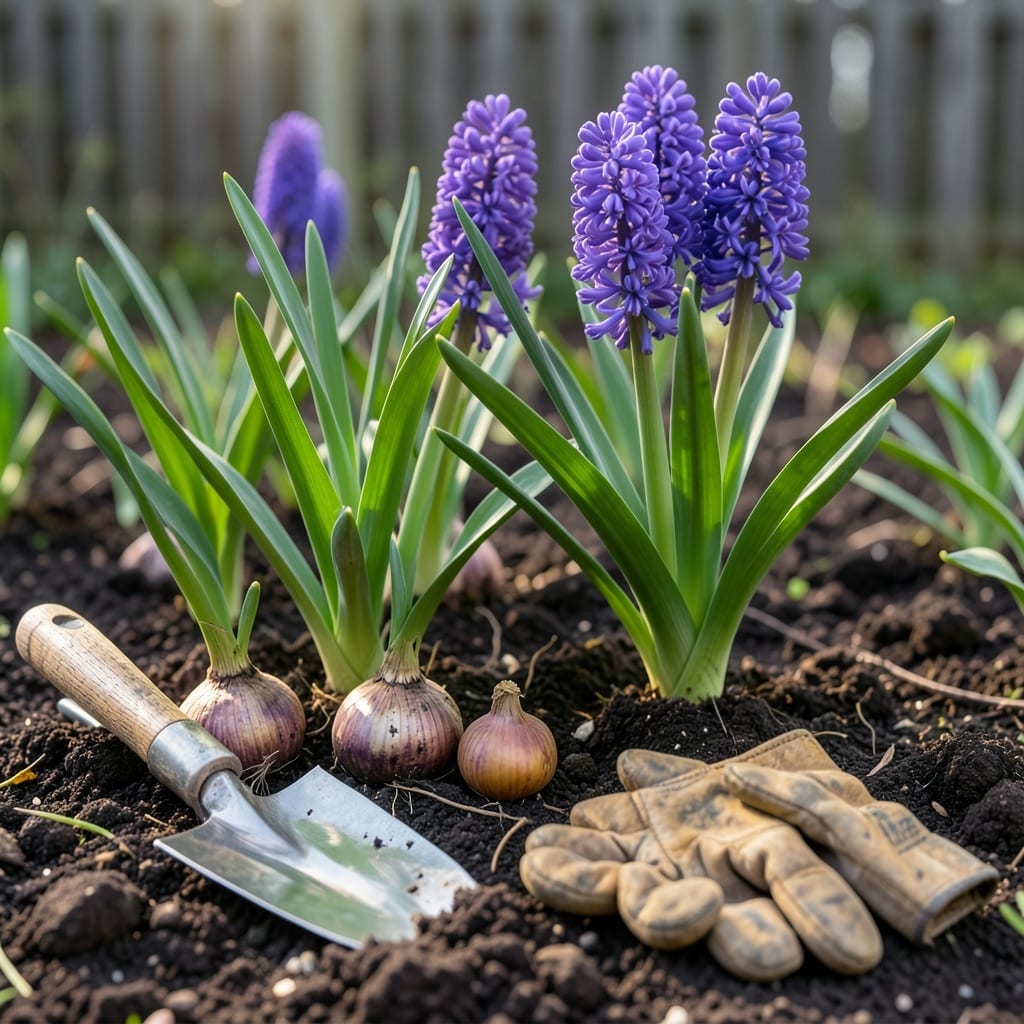
Timing is everything when it comes to planting Hyacinth 🌷. Get it right, and you’ll be rewarded with a stunning burst of color and fragrance every spring.
Plant too early or too late, and you risk poor growth or no blooms at all. I’ve learned the hard way how crucial those few weeks can be.
Discover the perfect window to plant your bulbs for vibrant, healthy flowers. Let me show you exactly when to start for the best results.
The perfect window for planting hyacinth bulbs depends on your USDA hardiness zone. In most regions, fall planting is ideal for spring blooms. I always aim for 6-8 weeks before the first hard frost.
This timing allows bulbs to establish strong root systems before winter dormancy. For zones 4-8, September to October is typically perfect. Warmer zones may plant later, while colder areas start earlier.
| Zone | Planting Window | Bloom Time |
|---|---|---|
| 4-5 | September | March-April |
| 6-7 | October | March-April |
| 8 | October-November | February-March |
In zone 4-5, I’ve found that planting in early September gives the best results. The bulbs get enough time to root before the ground freezes. Well-draining soil is crucial to prevent bulb rot during winter.
For zone 6-7, mid to late October works well. The soil is still warm enough for root growth but cool enough to prevent premature sprouting. I always check the soil temperature – it should be below 60°F.
In zone 8, you can plant as late as November. The milder winters mean bulbs need less time to establish. However, I recommend mulching to protect against sudden temperature drops.
If you’re in a warmer climate outside these zones, consider chilling bulbs in the fridge for 8-10 weeks before planting. This mimics winter and ensures proper spring blooming.
Remember, hyacinths need full sun to partial shade and well-draining soil. I always add compost to improve soil structure before planting. This gives the bulbs the best start for vibrant blooms.
For container planting, the same timing applies, but I use high-quality potting mix and ensure containers have drainage holes. This prevents waterlogging, which can be fatal to bulbs.
After planting, I water thoroughly to settle the soil and then reduce watering as winter approaches. The bulbs need minimal moisture during dormancy but should never be completely dry.
By following these zone-specific guidelines, you’ll be rewarded with healthy, fragrant hyacinths that bloom beautifully each spring 🌷
Planting hyacinth bulbs correctly is just as important as timing. I always start by selecting a sunny location with well-draining soil to prevent bulb rot and encourage strong growth.
Begin by loosening the soil to a depth of 12 inches. This helps the bulbs establish roots more easily. I like to mix in compost or aged manure to boost soil fertility before planting.
I always plant my hyacinth bulbs with the pointy end facing up. This ensures proper growth direction. If you’re unsure which end is up, plant the bulb on its side—it’ll figure it out!
After planting, I water deeply to help the soil settle. This also encourages the bulbs to start root development right away. In dry climates, I might water again after a week if there’s been no rain.
For container planting, use a pot that’s at least 8 inches deep with drainage holes. Fill it with a mix of potting soil and perlite for good drainage. Plant bulbs at the same depth as in-ground planting.
I find that adding a 2-inch layer of mulch after planting helps protect bulbs from freeze-thaw cycles in winter. Use organic mulch like straw or shredded leaves, which will also improve soil as it breaks down 🌱