
Beautiful Plants For Your Interior
Beautiful Plants For Your Interior
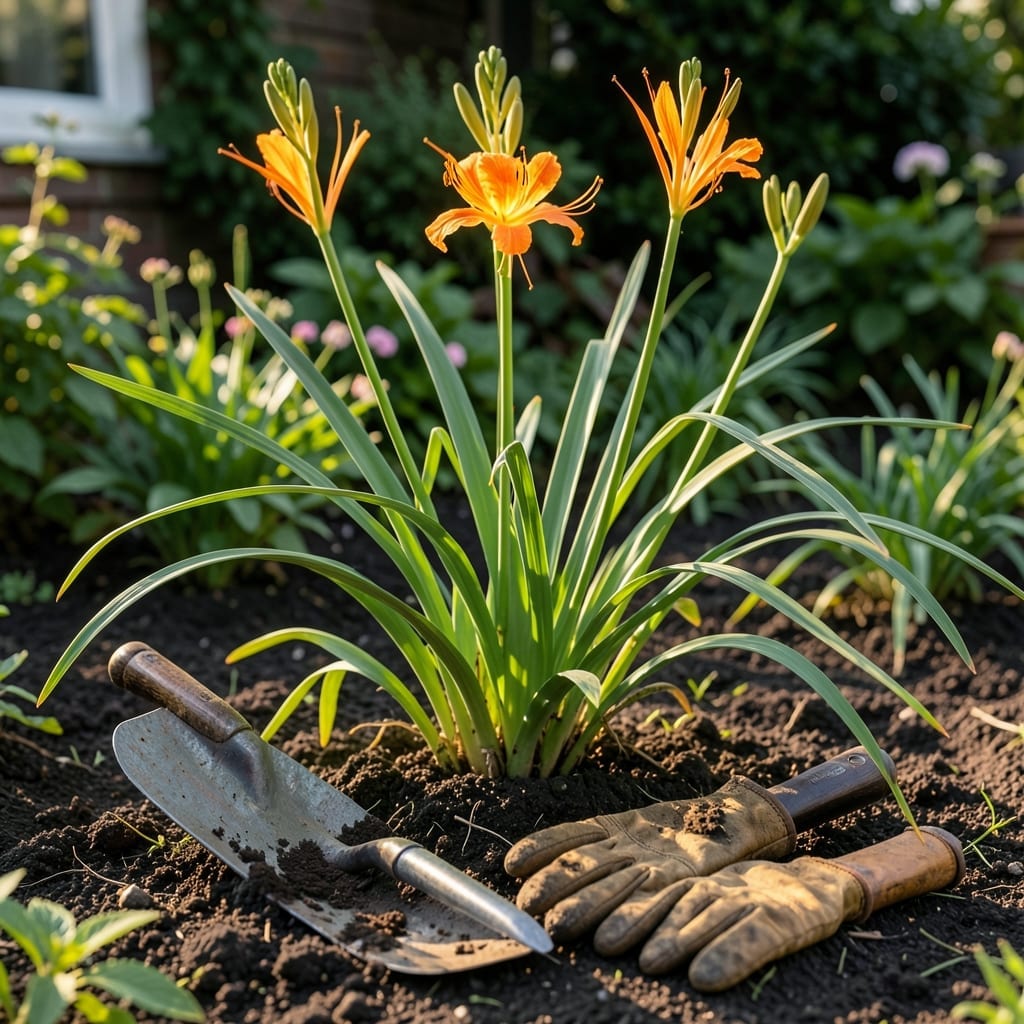
I remember the first time I planted Daylilies 🌸 – their vibrant blooms transformed my garden overnight. But here’s what I wish I’d known: timing is everything for these hardy perennials.
Whether you’re in zone 3 or 9, planting at the right moment makes all the difference. Too early or too late, and you might miss out on that spectacular summer display.
Discover the ideal windows that work across most climates. I’ll share the seasonal sweet spots that give your Daylilies the best start possible.
From soil prep to regional tweaks, you’ll learn exactly how to set the stage for those gorgeous, long-lasting blooms we all love.
I’ve found that early spring and early fall are the golden windows for planting hemerocallis. These seasons give the roots time to establish before extreme heat or cold sets in.
In spring, aim for March to April, right after the last frost. This timing allows your daylilies to settle in and produce vibrant blooms by summer.
| Season | Best Months | Key Benefit |
|---|---|---|
| Early Spring | March, April | Roots establish before summer heat |
| Early Fall | September, October | Cooler temps reduce transplant shock |
For fall planting, September to October works best. The cooler temperatures help reduce stress on the plants while still giving them time to root before winter dormancy.
If you’re in warmer zones like 8 or 9, you can push planting into late fall. But in colder areas like zone 3 or 4, stick to early fall to avoid frost damage.
Soil temperature is another factor. Daylilies prefer soil that’s at least 50°F. A simple soil thermometer can help you confirm it’s the right time.
I always check the frost dates for my area. Planting 2-3 weeks before the last spring frost or 4-6 weeks before the first fall frost gives the best results.
Remember, well-draining soil is critical. If your soil is heavy clay, amend it with compost or sand before planting. This prevents root rot and ensures healthy growth.
For container planting, the same seasonal rules apply. Just ensure your pots have drainage holes and use a high-quality potting mix.
Watering after planting is key. Give your daylilies a deep drink right after they go in the ground, then maintain consistent moisture for the first few weeks.
With the right timing, your hemerocallis will reward you with years of stunning blooms and minimal effort. It’s one of the most forgiving perennials I’ve ever grown! 🌸
Planting hemerocallis isn’t one-size-fits-all. In cold climates like zones 3-5, I always wait until after the last frost to avoid winter damage to new roots.
For warmer regions (zones 6-9), you can plant in early fall. This gives roots time to establish before summer heat arrives.
| Region | Best Planting Time | Notes |
|---|---|---|
| Cold Climates (Zones 3-5) | Early spring | After last frost |
| Moderate Climates (Zones 6-7) | Spring or fall | Avoid summer heat |
| Warm Climates (Zones 8-9) | Early fall | Before winter rains |
In the Pacific Northwest, I’ve found September planting works best. The mild winters and rainy season help roots establish without stress.
For the Southeast, where summers are brutal, I recommend October planting. This avoids the summer heat that can stress new plants.
If you’re in the Midwest, aim for April or May. This gives your hemerocallis a full growing season to settle in before winter.
Remember, microclimates matter too. A sunny south-facing wall might let you plant 2-3 weeks earlier than a shady north spot.
When in doubt, check your local frost dates and adjust accordingly. Your daylilies will thank you with years of beautiful blooms 🌸