
Beautiful Plants For Your Interior
Beautiful Plants For Your Interior
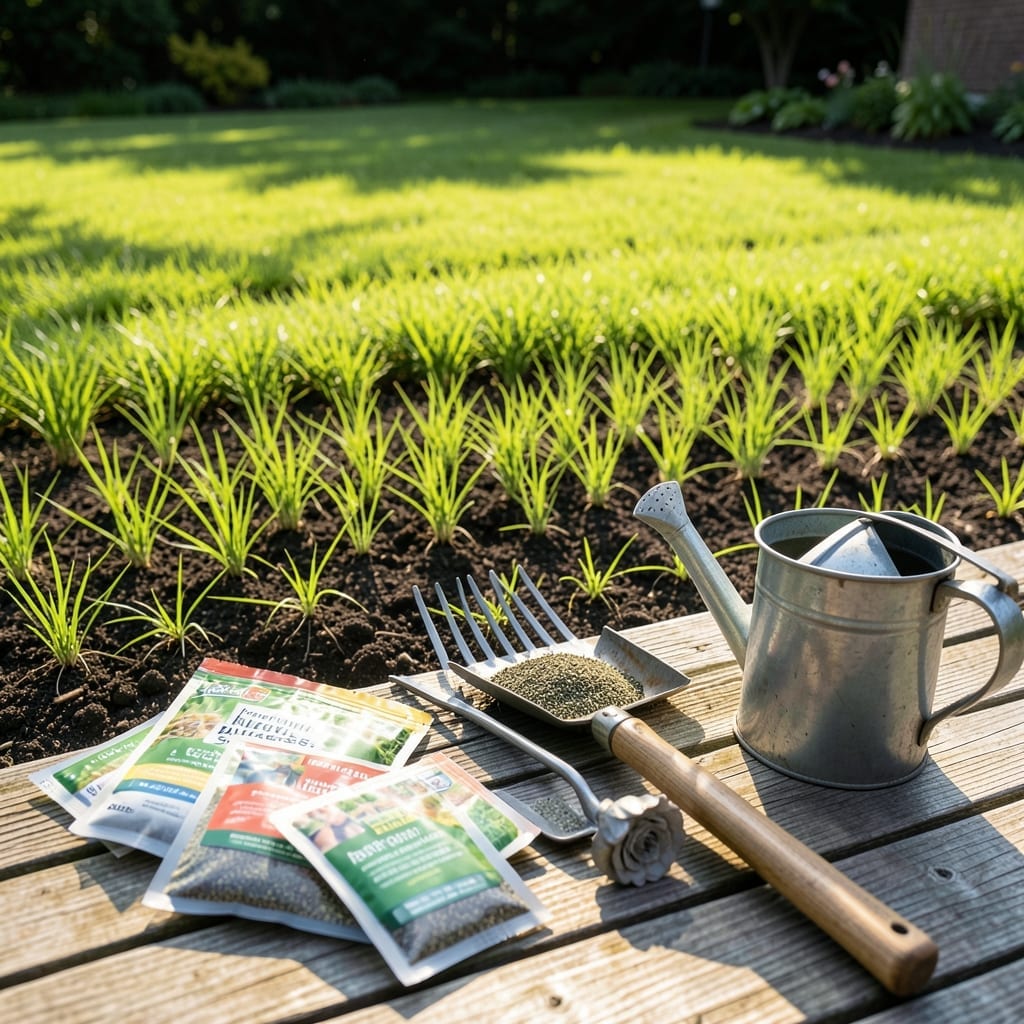
Timing is everything when planting 🌱Grass seed in Virginia’s unpredictable spring weather. Go too early, and frost might ruin your efforts. Wait too late, and summer heat could scorch those tender new blades.
I’ve seen neighbors struggle with patchy lawns simply because they missed the optimal window. The good news? With the right timing, you can establish a lush, resilient lawn that thrives in zones 6a-7b.
Discover the exact conditions and timing that will give your Grass the best chance to flourish this spring.
Virginia’s diverse climate means the best planting window varies by region. The Coastal Plain warms up faster, while the Piedmont and Mountain regions stay cooler longer. I always check soil temps first.
For cool-season grasses like Kentucky bluegrass or tall fescue, aim for soil temps between 50-65°F. This typically hits in mid-March to early April in most areas. Warm-season grasses like Bermuda need 65°F+, so wait until late April or May.
Virginia Grass Seed Planting Guide
| Region | Best Time | Grass Type | Soil Temp |
|---|---|---|---|
| Coastal Plain | Early March | Cool-season | 50-55°F |
| Piedmont | Mid-March | Cool-season | 55-60°F |
| Mountains | Late March | Cool-season | 50-55°F |
| All Regions | Late April | Warm-season | 65°F+ |
The last frost date in Virginia ranges from April 1-15 in most areas. I never plant before this date to avoid frost damage. In the Blue Ridge Mountains, frost can linger until early May, so adjust accordingly.
Early spring planting has advantages like cooler temps and more rainfall, which help seeds establish. However, weed competition can be fierce. I combat this by applying a pre-emergent herbicide 4-6 weeks before seeding.
For warm-season grasses, waiting until soil consistently stays above 65°F is crucial. Planting too early can lead to poor germination or disease issues. In Northern Virginia, this might mean waiting until early May.
The ideal planting window also depends on your lawn goals. For quick establishment, early April works well for cool-season grasses. If you’re overseeding an existing lawn, late March to early April gives new seeds a head start.
I always recommend testing your soil before planting. Virginia’s clay-heavy soils often need amendments like compost or sand to improve drainage. A soil test from your local Cooperative Extension can reveal pH imbalances too.
Remember, consistent moisture is key for the first 2-3 weeks after planting. I water lightly daily if rainfall is less than 1 inch per week. This keeps the top inch of soil moist without causing runoff.
Finally, choose the right seed for your region. Tall fescue does well statewide, while Kentucky bluegrass prefers cooler areas. For warm-season lawns, Bermuda or Zoysia are top picks in southern Virginia.
🌱
Even with perfect timing, some common mistakes can sabotage your Virginia lawn. I’ve seen many homeowners rush the process only to end up with patchy grass or weed invasions that take months to fix.
Planting too early is a classic error. If soil temps are below 50°F, seeds may rot or fail to sprout. Similarly, ignoring soil prep leads to poor seed-to-soil contact, which is essential for germination.
⚠️ Avoid These Virginia Planting Errors
Planting before last frost or in waterlogged soil can ruin your lawn before it starts. Always check soil moisture and temperature first.
Another pitfall is skipping soil testing. Virginia’s clay soil often needs lime or sulfur to balance pH. I always test 2-3 months before planting to allow time for amendments to work.
Overseeding without prep is just as bad as no prep. I rake the area lightly to loosen the top ¼ inch of soil, ensuring better seed contact. Then, I apply a starter fertilizer to give new grass a nutrient boost.
Watering mistakes are common too. Too much water causes fungal diseases, while too little leads to dried-out seeds. I aim for 1 inch of water per week, split into light daily sessions until germination.
Finally, choosing the wrong seed for your region can waste time and money. In Virginia, tall fescue is a safe bet, but Bermuda struggles in cooler mountain areas. Always match the grass type to your climate zone.
🌱