
Beautiful Plants For Your Interior
Beautiful Plants For Your Interior
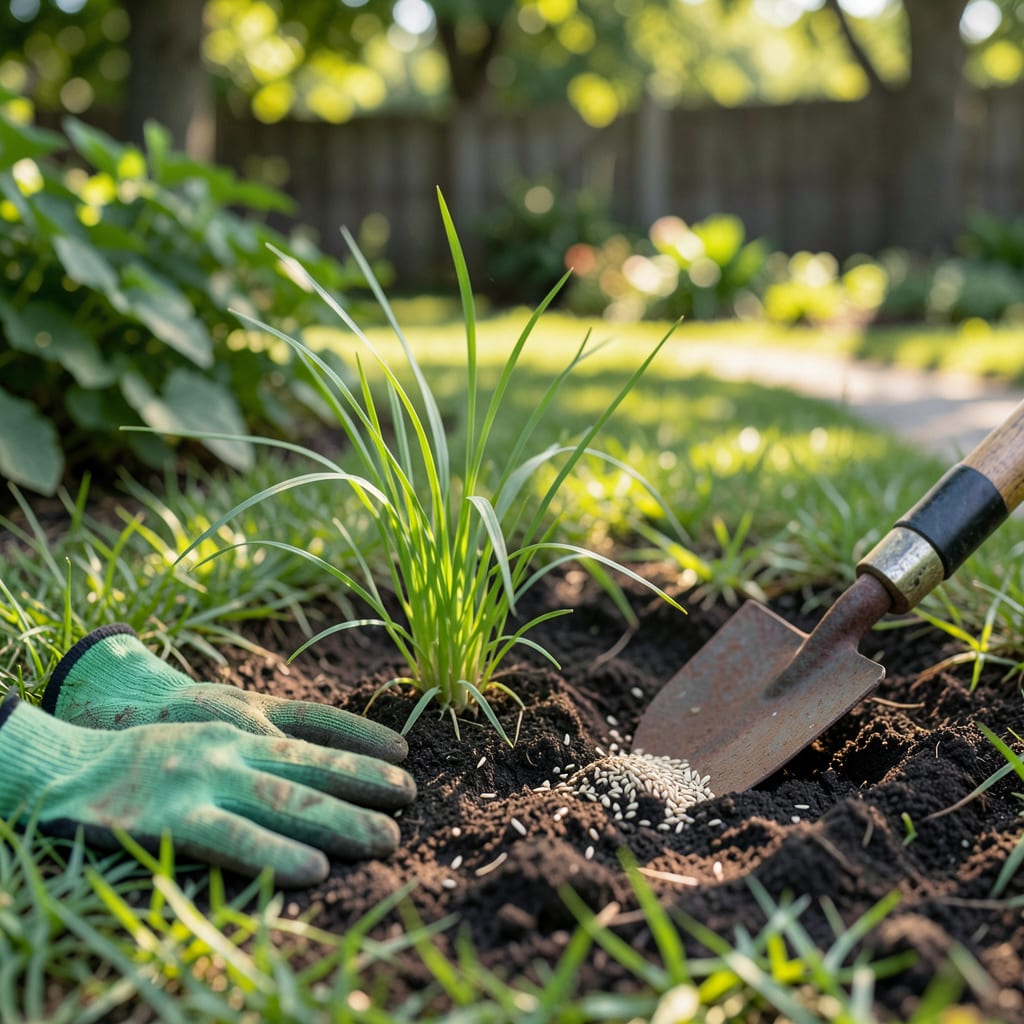
Indiana’s climate can be tricky for establishing a new lawn 🌿. The key to success lies in timing your grass seed planting just right. I’ll help you understand when to plant for the best results.
In Indiana’s 5b-6b USDA zone, the ideal time to plant grass seed is during spring or late summer to early fall. This allows the grass to establish itself before extreme weather sets in. Let’s dive into the details.
Indiana’s climate varies across different regions, making it crucial to understand the best time to plant grass seed 🌱. The state’s location in USDA zones 5b-6b means it experiences a continental climate with cold winters and hot summers.
The ideal time to plant grass seed in Indiana depends on the type of grass you’re planting. For cool-season grasses, the best time is early fall, while warm-season grasses thrive when planted in late spring 🌿.
When planting in early fall, the soil is still warm from summer, and there’s typically ample moisture, giving the grass seed a head start before winter 🌱.
In spring, it’s essential to plant as soon as the soil can be worked, and avoid planting too late when the soil is too warm 🌿.
For Indiana’s specific climate, the optimal soil temperature for planting grass seed is between 60-75°F, which usually occurs during these periods 🌿.
Regional variations exist within Indiana, with southern regions warming up faster in spring and northern areas cooling down earlier in fall 🌿.
Understanding these seasonal windows helps you choose the best time to plant grass seed in Indiana for a healthy and thriving lawn 🌱.
The last frost date for Indiana typically falls between April 15 and May 15, while the first frost date ranges from September 15 to October 15 🌿.
These dates are critical when planning your grass seed planting, as they help determine the optimal window for establishment before extreme temperatures set in 🌿.
By considering these factors and choosing the right time to plant, you can ensure a successful lawn establishment in Indiana 🌱.
Always check local weather forecasts and soil temperature before planting to ensure the best conditions for your grass seed 🌿.
Before planting grass seed in Indiana, proper lawn preparation is crucial for successful establishment 🌱. This involves several key steps that create ideal conditions for your new lawn.
First, assess your existing lawn conditions and remove any debris, weeds, or dead grass 🌿. This ensures good seed-to-soil contact and prevents competition for resources.
Check pH levels and nutrient content to determine necessary amendments
Improve drainage and reduce soil compaction for better root growth
Create a smooth, even surface for uniform seed distribution
Proper soil preparation is essential for optimal germination and establishment of your new grass seed 🌱.
Indiana’s soil conditions can vary significantly across different regions, so it’s important to tailor your preparation based on your specific soil type and condition 🌿.
By following these steps, you’ll create a favorable environment for your grass seed to grow and thrive in Indiana’s climate 🌿.
Regular monitoring of your lawn’s progress will help you identify any issues early and take corrective action 🌿.
With proper preparation and care, your newly seeded lawn will establish strong roots and become a beautiful addition to your Indiana property 🌱.
After planting grass seed in Indiana, proper care is crucial for successful establishment 🌱. The first few weeks are critical for germination and root development.
Watering is the most important factor during this period. Keep the soil consistently moist but not waterlogged 🌿.
Water lightly but frequently during the first few weeks. As the grass grows, gradually reduce watering frequency but increase depth to encourage deep root growth.
Fertilization should be done carefully. Apply a starter fertilizer when the new grass is about 2-3 inches tall 🌿.
For newly seeded lawns in Indiana, maintain a mowing height of 2.5-3 inches to promote healthy growth 🌱.
Regular monitoring is essential to catch any issues early, such as pests, diseases, or nutrient deficiencies 🌿.
By following these post-planting care tips, you can ensure your new grass seed establishes a strong and healthy root system in Indiana’s climate 🌱.
Proper care during the establishment phase sets the foundation for a beautiful and resilient lawn that will thrive for years to come 🌿.
The optimal soil temperature for planting grass seed in Indiana is between 60-75°F. This temperature range usually occurs during early fall or spring, making these seasons ideal for planting.
While it’s possible to plant warm-season grasses in late spring to early summer, the hot weather and potential drought conditions make it challenging. It’s generally recommended to avoid planting during the peak summer months.
Keep the soil consistently moist during the first few weeks after planting. Water lightly but frequently, ideally in the early morning. As the grass grows, gradually reduce watering frequency but increase depth to encourage deep root growth.
Apply a starter fertilizer when the new grass is about 2-3 inches tall. This will provide essential nutrients for healthy growth and establishment.
