
Beautiful Plants For Your Interior
Beautiful Plants For Your Interior
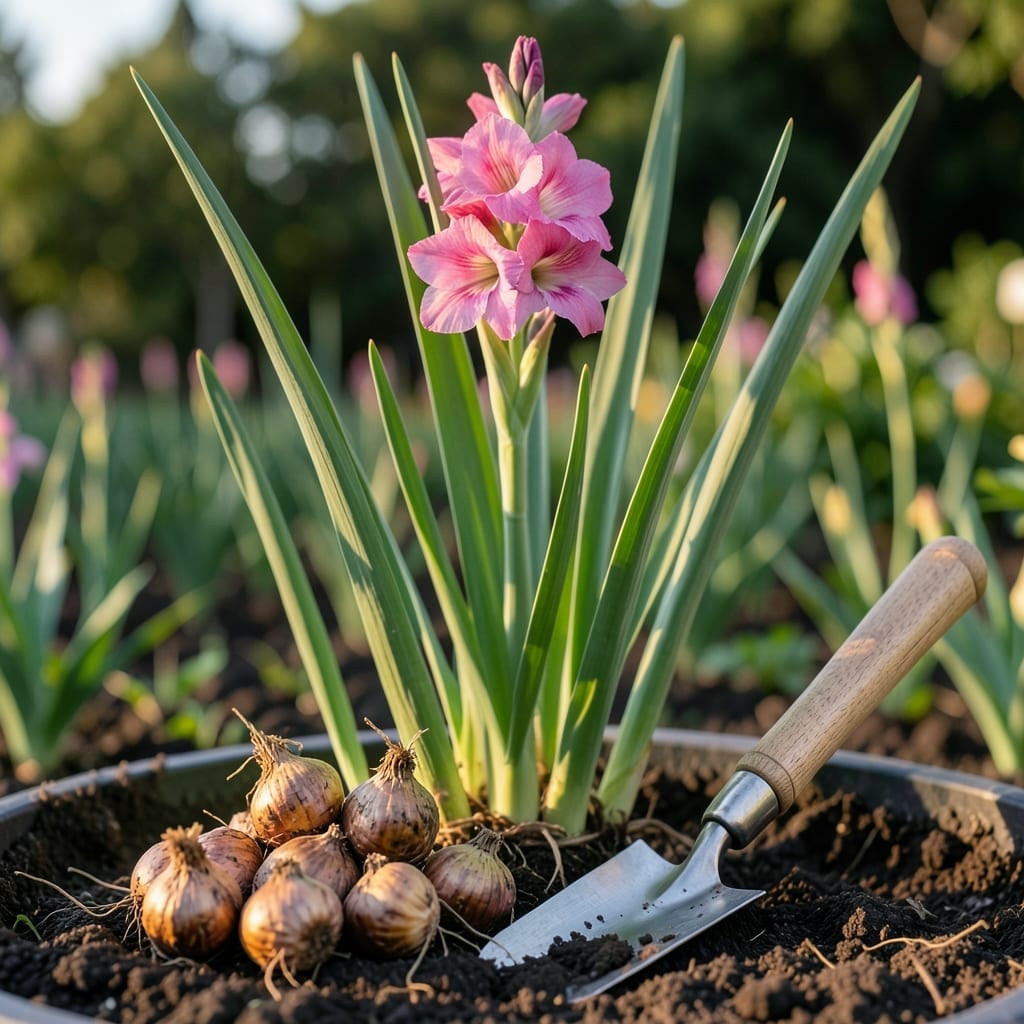
Timing is everything when it comes to planting Gladiolus 🌷 in Zone 7. Plant too early, and frost may ruin your efforts; plant too late, and you’ll miss the peak blooming season.
I’ve learned through trial and error that getting this right means the difference between lackluster growth and vibrant, show-stopping blooms. The good news? It’s easier than you think once you know the sweet spot.
Discover the ideal window to plant your bulbs and set yourself up for a garden that bursts with color from July to September. Let’s make this your best growing season yet.
In Zone 7, the magic window for planting gladiolus bulbs is between mid-March and early April. This timing ensures the soil has warmed to at least 50°F, which is critical for corm activation and root development.
I always wait until after the last frost date—around April 15 in most of Zone 7—to avoid any risk of cold damage. Planting too early can lead to rotting, while waiting too long may delay your summer blooms. 🌷
| Stage | Action |
|---|---|
| Ideal Planting Time | Mid-March to early April |
| Soil Temperature | At least 50°F |
| Last Frost Date | Around April 15 |
| Bloom Season | July to September |
For the best results, I recommend planting in batches every 2 weeks. This staggered approach gives you a continuous bloom from early summer through fall, rather than one big flush of flowers.
If you’re eager to get a head start, you can plant 4-6 weeks before the last frost date, but only if you’re prepared to cover the area with mulch or frost cloth if a late cold snap threatens.
Remember, gladiolus corms need well-draining soil to prevent rot. I always amend my planting area with compost to improve both drainage and fertility. This simple step makes a noticeable difference in growth vigor.
Another pro tip: plant bulbs 4-6 inches deep and 6 inches apart. This depth protects them from temperature swings while giving roots enough room to establish. Deeper planting also provides better support for those tall, dramatic flower spikes.
If you miss the spring window, don’t worry. You can also plant gladiolus in fall, about 6-8 weeks before the first frost (around November 1 in Zone 7). This gives the corms time to root before winter dormancy.
Just be sure to dig up corms after foliage dies back in late fall if you want to replant them next year. In Zone 7, some gardeners leave them in the ground with a thick mulch layer, but I’ve had better luck storing them indoors over winter.
Finally, mark your calendar for July through September—that’s when your patience pays off with stunning, sword-like blooms in every color imaginable. There’s nothing quite like cutting a few stems for a bouquet that lasts over a week. 🌿
I’ve found that proper preparation is key to growing healthy gladiolus in Zone 7. Start by selecting a sunny location with at least 6 hours of direct sunlight daily, as these plants thrive in bright conditions.
Before planting, I always loosen the soil to about 12 inches deep and mix in plenty of compost or well-rotted manure. This improves drainage and provides the nutrients corms need for strong growth. 🌱
After planting, I water deeply once a week, giving each plant about 1 inch of water. During hot summer months, I increase this to twice weekly to keep the soil consistently moist but not soggy.
Fertilizing is another game-changer. I use a balanced 5-10-10 fertilizer every 4-6 weeks during the growing season. This encourages strong stems and vibrant blooms without overfeeding.
For ongoing care, I remove faded flowers to encourage more blooms and stake tall stems as they grow. This prevents them from flopping over in summer storms, which can happen with their height. 🌿
Finally, don’t forget to monitor for pests like aphids or thrips, which can sometimes target gladiolus. A quick spray with neem oil usually keeps them at bay. With these steps, you’ll be rewarded with stunning spikes of color all season long.