
Beautiful Plants For Your Interior
Beautiful Plants For Your Interior
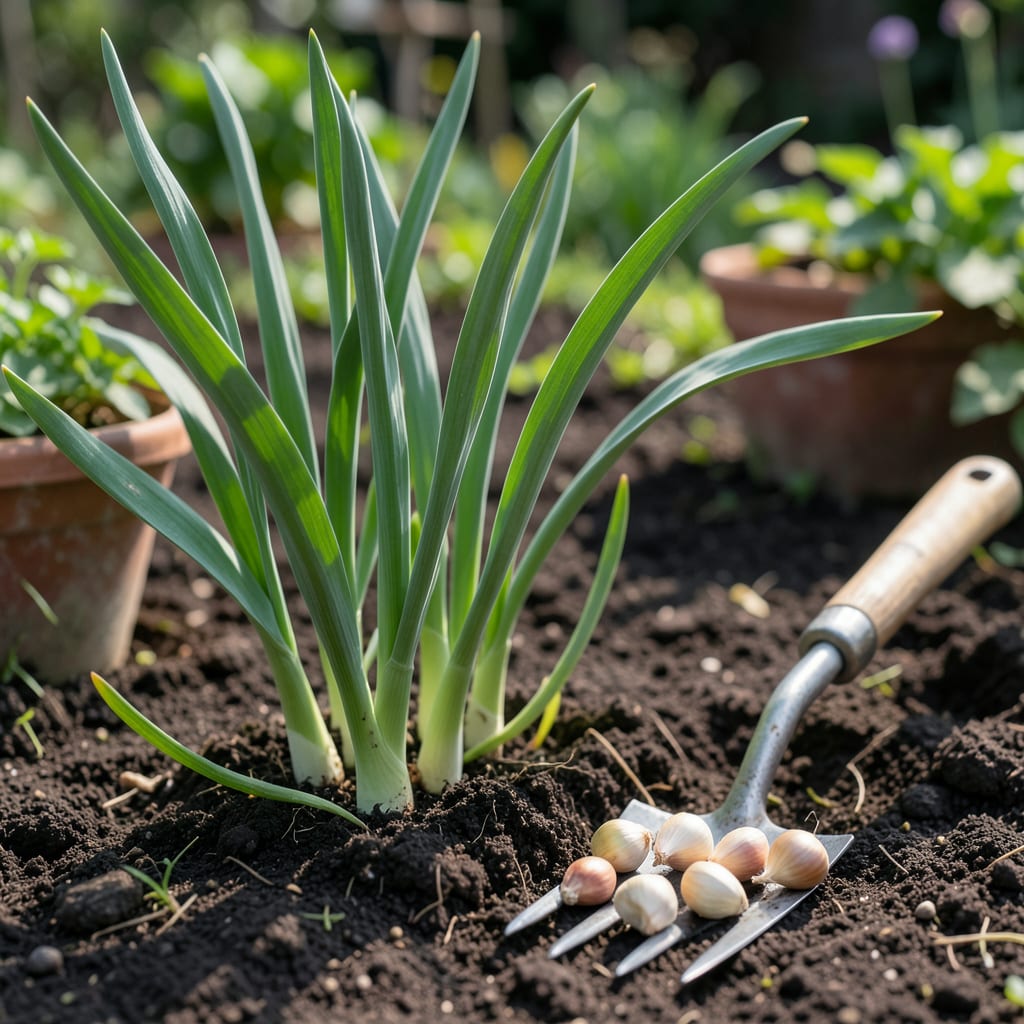
As a Connecticut gardener, you’re probably wondering when to plant garlic 🧄 for the best harvest. The key is timing – planting at the right moment ensures healthy growth and maximum yield.
In Connecticut’s climate zone 6a, the ideal time to plant garlic is in the fall, typically between September and November. This allows the garlic to establish itself before winter, setting you up for a successful harvest the following summer.
As a Connecticut gardener, understanding the ideal planting window for garlic is crucial for a successful harvest. The state’s climate zone 6a requires careful timing to ensure healthy growth and maximum yield.
The best time to plant garlic in Connecticut is during the fall season, typically between September and November. This period allows the garlic to establish itself before winter, setting you up for a bountiful harvest the following summer 🌟.
Planting garlic in the fall allows it to develop a strong root system before the ground’s freezing, resulting in a more robust and flavorful crop. It’s essential to choose the right garlic variety for your region and prepare the soil properly to ensure optimal growing conditions 🌱.
The optimal planting window varies slightly depending on specific weather conditions each year. Gardeners should aim to plant garlic when the soil temperature is around 50°F (10°C), which usually occurs in late September or early October in Connecticut.
Soil preparation is another critical factor in successful garlic cultivation. The soil should be well-draining and rich in organic matter. Adding compost or well-rotted manure can help improve soil quality and provide the necessary nutrients for healthy garlic growth.
In Connecticut’s climate, garlic planted in the fall will typically be ready to harvest the following July or August. The exact harvest time can vary depending on the specific variety and weather conditions during the growing season.
Proper care during the growing season is essential for maximizing yield. This includes regular watering, mulching to retain moisture and suppress weeds, and monitoring for pests and diseases.
By planting garlic at the right time and providing proper care, Connecticut gardeners can enjoy a bountiful harvest of delicious, homegrown garlic. The effort put into planting and caring for garlic is rewarded with a flavorful addition to many culinary dishes 🧄.
For more specific advice on growing garlic in your area, consider consulting with local gardening experts or checking resources from the Connecticut Agricultural Experiment Station for the most up-to-date information on garlic cultivation in the state.
Understanding the local climate and growing conditions is key to successful garlic cultivation. By following these guidelines and adapting to your specific garden conditions, you can enjoy a successful garlic harvest year after year.
Preparing your Connecticut garden for garlic planting is a critical step in ensuring a successful harvest. The state’s climate zone 6a requires careful consideration of soil preparation and garlic variety selection.
To prepare your garden, start by choosing the right garlic variety for your region. Connecticut gardeners can choose between soft-neck and hard-neck garlic varieties, each with its own benefits 🌟.
For Connecticut gardeners, hard-neck varieties are often recommended due to their better cold tolerance and flavor profile.
Soil preparation is another crucial factor in successful garlic cultivation. The soil should be well-draining and rich in organic matter. Adding compost or well-rotted manure can help improve soil quality and provide the necessary nutrients for healthy garlic growth 🌱.
When preparing your garden bed, ensure it receives full sun and has good air circulation to prevent disease. Remove any debris and weeds from the area, and loosening the soil to a depth of about 8-10 inches.
By taking the time to properly prepare your garden and choose the right garlic variety, you’ll be setting yourself up for a bountiful harvest of delicious, homegrown garlic 🧄.
For more specific advice on growing garlic in your area, consider consulting with local gardening experts or checking resources from the Connecticut Agricultural Experiment Station for the most up-to-date information on garlic cultivation in the state.
With careful planning and preparation, Connecticut gardeners can enjoy a successful garlic harvest year after year, adding a flavorful and aromatic ingredient to their culinary creations 🌿.
After planting garlic in Connecticut, proper care is essential for maximizing yield and ensuring a healthy crop. Connecticut’s climate zone 6a requires careful consideration of mulching, watering, and pest management to protect your garlic crop 🌟.
Mulching is particularly important in Connecticut’s climate, as it helps protect the garlic from extreme winter temperatures and prevents soil heaving. Use a thick layer of organic mulch to keep the soil cool and moist throughout the growing season 🌱.
Watering needs vary throughout the year. During the growing season, garlic requires consistent moisture, especially when the plants are producing foliage. However, reduce watering as the foliage begins to yellow and die back, signaling that the garlic is ready to harvest 🌿.
Pest and disease management is crucial for a healthy garlic crop. Regularly inspect your plants for signs of pests or disease, and take action promptly if you notice any issues. This may include using organic pest control methods or removing affected plants to prevent the spread of disease 🚫.
By following these care guidelines, Connecticut gardeners can enjoy a bountiful harvest of delicious, homegrown garlic. Proper care during the growing season is key to maximizing yield and ensuring a successful crop 🧄.
For more specific advice on caring for your garlic crop in Connecticut, consider consulting with local gardening experts or checking resources from the Connecticut Agricultural Experiment Station for the most up-to-date information on garlic cultivation in the state 📚.
The best time to plant garlic in Connecticut is in the fall, typically between September and November. This allows the garlic to establish itself before winter. Planting during this period ensures a healthy crop and maximum yield.
To prepare your soil, make sure it’s well-draining and rich in organic matter. Add compost or well-rotted manure to improve soil quality. This will provide the necessary nutrients for healthy garlic growth.
For Connecticut gardeners, hard-neck garlic varieties are often recommended due to their better cold tolerance and flavor profile. These varieties thrive in the state’s climate zone 6a.
Water your garlic crop regularly during the growing season, especially during dry spells. Maintain consistent moisture, but reduce watering as the foliage begins to yellow and die back.
