
Beautiful Plants For Your Interior
Beautiful Plants For Your Interior
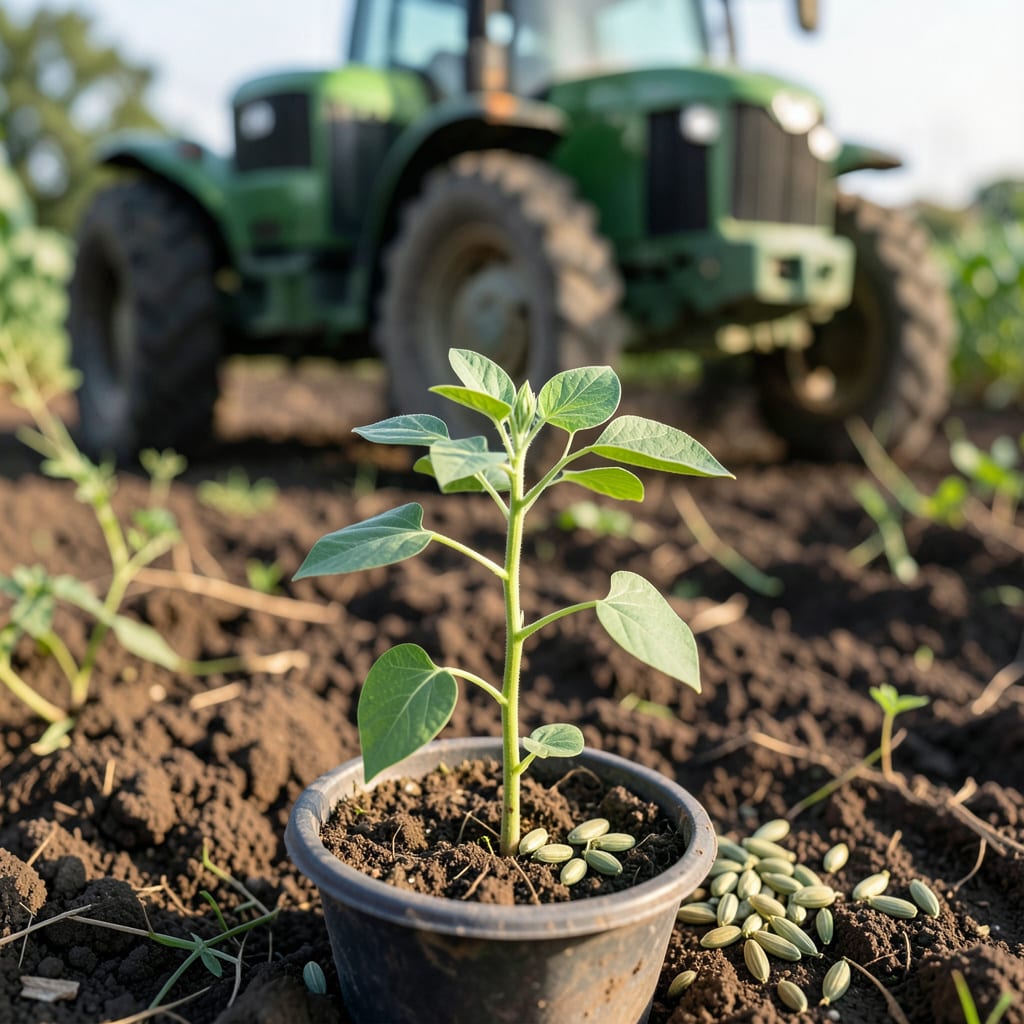
As spring arrives, gardeners eagerly anticipate planting 🌱 Alfalfa, a crop that thrives in USDA Zone 6. Timing is crucial for a successful harvest, and understanding the ideal conditions can make all the difference.
I’ll guide you through the optimal time to plant Alfalfa in the spring, ensuring you give your crop the best start possible. Let’s explore the key factors to consider for a bountiful harvest.
When it comes to planting alfalfa in the spring, timing is everything. The ideal time to plant is when the soil temperature reaches 55°F, typically in March or April for most regions in USDA Zone 6. 🌱
Understanding the last frost date is crucial, as alfalfa is sensitive to frost. In most areas, the last frost date is around April 15. Planting too early can expose the crop to damaging frosts, while planting too late can result in reduced yields.
The ideal months for planting alfalfa in the spring are March and April. These months typically offer the right balance of cool temperatures and adequate moisture, allowing the crop to establish itself before the hot summer weather sets in.
It’s also important to consider the weather conditions during the planting period. Alfalfa prefers full sun and well-drained soil, making it essential to choose a planting location that receives 6+ hours of direct sunlight daily.
By understanding these key factors and planning accordingly, you can ensure a successful alfalfa harvest in the spring. Proper timing and preparation are critical to giving your crop the best start possible.
For more detailed information on alfalfa cultivation and care, be sure to check out additional resources on alfalfa planting and spring gardening tips. 🌱
Alfalfa is a hardy perennial legume that thrives in well-drained soil with a pH between 6.5 and 7.5. It’s an excellent crop for improving soil health and providing high-quality forage for livestock.
When planting alfalfa in the spring, it’s essential to prepare the soil properly. This includes testing the soil to determine its nutrient content and amending it as necessary to create a fertile growing environment.
By following these guidelines and considering the specific needs of your alfalfa crop, you can enjoy a bountiful harvest and reap the benefits of this versatile and nutritious crop.
Spring planting also allows alfalfa to establish itself before the onset of hot summer weather, which can be challenging for young plants. With proper care and attention, your alfalfa crop will thrive and provide a valuable source of nutrition for your livestock.
In conclusion, planting alfalfa in the spring requires careful planning and attention to detail. By understanding the ideal conditions and taking steps to prepare your soil and care for your crop, you can enjoy a successful harvest and make the most of this valuable crop.
Preparing the soil is a critical step in ensuring a successful alfalfa harvest. Before planting, it’s essential to test the soil to determine its nutrient content and pH level. Alfalfa thrives in well-drained soil with a pH between 6.5 and 7.5. 🌿
Based on the soil test results, you may need to add amendments to create a fertile growing environment. This can include fertilizers to provide essential nutrients like phosphorus and potassium. It’s also important to remove any debris and level the soil to ensure even growth.
Determine the pH level and nutrient content of your soil.
Apply fertilizers or other amendments based on soil test results.
Loosen the soil to a depth of 8-10 inches to improve drainage and aeration.
By following these essential steps, you can create a fertile growing environment that will support healthy alfalfa growth. Proper soil preparation is critical to ensuring a successful harvest and maximizing the benefits of this valuable crop.
Alfalfa is a hardy perennial legume that can thrive in a variety of conditions, but it performs best in well-drained soil with adequate moisture. By preparing your soil properly, you can help ensure a bountiful harvest and enjoy the many benefits of this versatile crop.
In addition to testing and amending the soil, it’s also important to choose a planting location that receives full sun and has good air circulation. This will help prevent disease and promote healthy growth.
By taking the time to properly prepare your soil, you can set your alfalfa crop up for success and enjoy a healthy and productive harvest. With proper care and attention, your alfalfa will thrive and provide a valuable source of nutrition for your livestock.
After planting alfalfa in the spring, it’s crucial to provide proper care to ensure a successful harvest. One of the most important factors is watering. Alfalfa requires consistent moisture, especially during the first few weeks after planting. Aim to provide about 1 inch of water per week, either through rainfall or irrigation 🌧️.
Weed control is another critical aspect of post-planting care. Weeds can compete with alfalfa for water, nutrients, and light, potentially reducing yields. Regularly inspect your field and remove weeds by hand or with mechanical equipment. Consider using mulch or other weed suppression methods to minimize competition 🌱.
Monitor your alfalfa field regularly for signs of pests or diseases, and take action promptly if you notice any issues. Consider using integrated pest management techniques to minimize harm to beneficial insects.
Pest management is also vital for maintaining healthy alfalfa. Keep an eye out for pests like aphids, alfalfa weevils, and other insects that can damage the crop. Use integrated pest management techniques, such as introducing beneficial insects or applying targeted pesticides, to minimize harm to the environment 🐜.
In addition to these care tips, it’s essential to monitor your alfalfa’s growth and adjust your care routine as needed. Check for signs of nutrient deficiencies, and consider applying fertilizers if necessary. By providing proper care and attention, you can enjoy a bountiful harvest and maximize the benefits of your alfalfa crop 🌼.
Regular scouting and monitoring will help you identify any potential issues early on, allowing you to take corrective action and prevent damage to your crop. This proactive approach will help ensure a successful harvest and a healthy, thriving alfalfa stand 🌻.
By following these post-planting care tips, you can give your alfalfa the best chance to thrive and enjoy a successful harvest.
With proper care and attention, your alfalfa crop will be well on its way to providing a valuable source of nutrition for your livestock. By understanding the specific needs of your crop and taking steps to meet those needs, you can enjoy a bountiful harvest and reap the benefits of this versatile and nutritious crop 🌱.
The ideal soil temperature for planting alfalfa is at least 55°F, which typically occurs in March or April in most regions. This temperature ensures optimal germination and growth.
Alfalfa requires consistent moisture, especially during the first few weeks after planting. Aim to provide about 1 inch of water per week, either through rainfall or irrigation. Watering in the morning helps prevent fungal diseases.
Regularly inspect your field and remove weeds by hand or with mechanical equipment. Consider using mulch or other weed suppression methods to minimize competition. This helps ensure healthy alfalfa growth and maximizes yields.
Keep an eye out for pests like aphids and alfalfa weevils. Use integrated pest management techniques, such as introducing beneficial insects or applying targeted pesticides, to minimize harm to the environment. Regular scouting helps identify issues early.
