
Beautiful Plants For Your Interior
Beautiful Plants For Your Interior
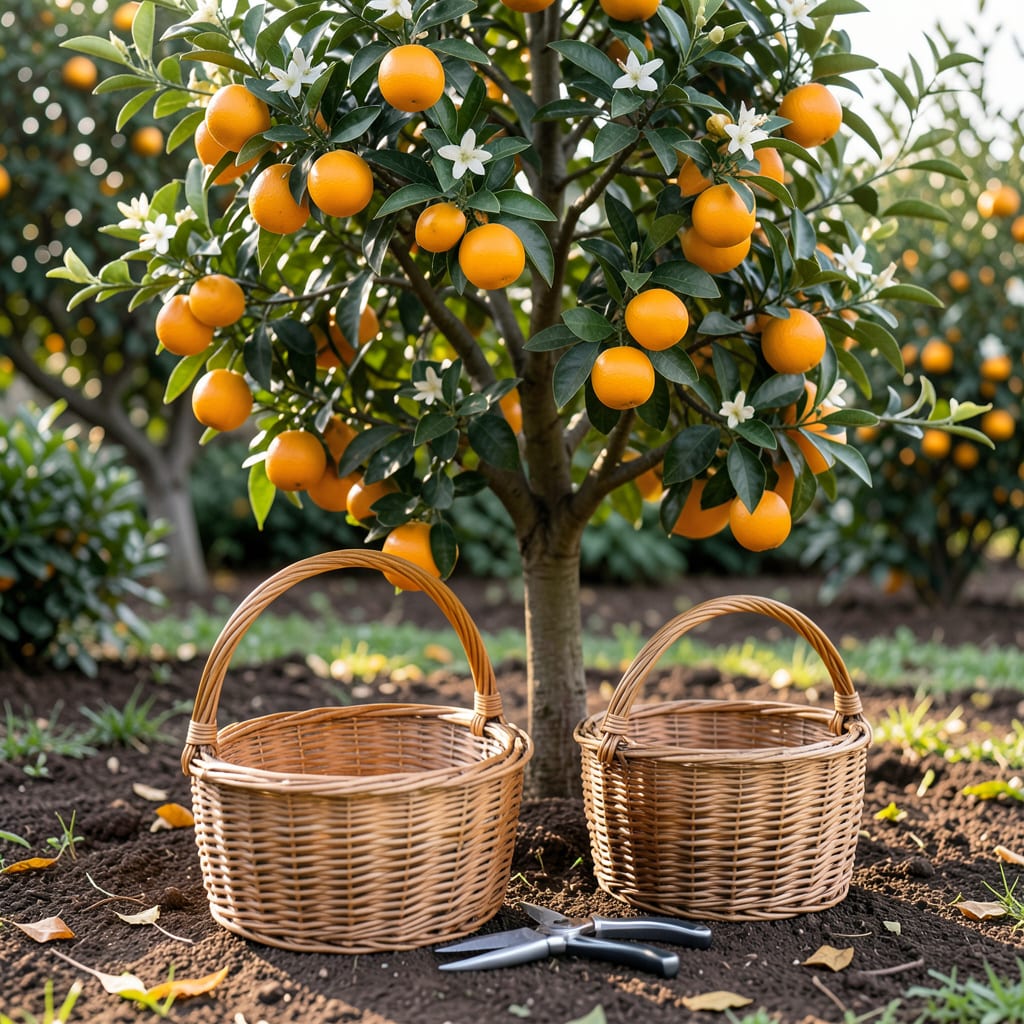
Timing your orange harvest in Florida can mean the difference between tart disappointment and perfectly sweet, juice-packed 🍊 fruit. Florida’s unique climate creates a surprising harvest window.
I’ll show you exactly when to pick for peak flavor, plus the ripeness signs that never lie. Let’s make every harvest your best yet.


Florida’s orange harvest seasons vary by variety and region, making timing key for the sweetest fruit. In Central Florida, the heart of citrus country, most varieties ripen between October and June. ☀️
The Hamlin orange, a Florida favorite, typically starts its harvest in early October, while Valencia oranges often stay on trees until June. This extended window is thanks to Florida’s subtropical climate. 🌿
| Variety | Harvest Window | Primary Region |
|---|---|---|
| Navel | November – January | Central Florida |
| Valencia | March – June | Southern Florida |
| Hamlin | October – December | Northern Florida |
| Pineapple | December – February | Central Florida |
In Northern Florida, cooler temperatures mean earlier harvests. Varieties like Hamlin often ripen by late October, while Satsumas may be ready as early as September. The shorter growing season here demands close attention. 🌱
Southern Florida enjoys a longer harvest window, with some Valencia oranges staying on trees until July. The warmer climate allows for a more flexible picking schedule, but watch for overripening in peak summer heat. 🌳
The Central Florida region, including Polk County, is the state’s citrus hub. Here, Navel oranges peak in winter months, while Valencias take over in spring. This overlap ensures fresh fruit nearly year-round. ✂️
Early varieties like Hamlin are perfect for holiday juicing, while late-season Valencias are ideal for summer refreshments. The transition between varieties keeps Florida oranges in demand across seasons. 💧
For home growers, I recommend testing fruit ripeness by taste rather than color alone. Some green-tinged oranges can still be perfectly sweet, especially in warmer regions. Always check sugar levels with a refractometer if possible. 🌿
Commercial growers often use Brix measurements to determine harvest timing. A Brix level of 10-12 typically indicates peak sweetness for most Florida oranges. This method ensures consistency across large groves. ☀️
Remember, Florida’s microclimates can create local variations. Coastal areas may have earlier harvests due to milder winters, while inland regions might see delayed ripening from occasional cold snaps. Always observe your specific trees closely. 🌱
Knowing the perfect harvest time for Florida oranges ensures the sweetest flavor and juiciest texture. I always check for visual and tactile cues before picking. The fruit should have a vibrant orange hue with no green patches.
Gently squeeze the fruit—a ripe orange will give slightly under pressure. A hard feel means it’s not ready, while an overly soft one may be past its prime. The aroma is another tell: a strong, sweet citrus scent signals ripeness.
I also recommend the taste test method. Pick one or two oranges from different parts of the tree and sample them. If they’re sweet and juicy, the rest are likely ready too. This is especially useful for Valencia oranges, which can stay on the tree longer.
For early varieties like Hamlin, the harvest often starts in October or November. Navel oranges typically peak in December through February. Always consider your local microclimate, as coastal areas may ripen earlier than inland regions.
Avoid picking after heavy rain, as excess moisture can dilute the sugar content. Also, oranges don’t ripen further once picked, so timing is everything for the best flavor.
If you notice split skins or dull color, the fruit may be overripe. Trust your senses—color, feel, and smell are your best guides for a perfect harvest. 🌿
Even experienced growers can make harvesting mistakes that affect orange quality. I’ve seen many pick fruit too early or under poor conditions. The most common error is ignoring weather patterns, especially after heavy rains.
Another frequent issue is picking unripe oranges based on color alone. Some varieties develop orange skin before the sugar content peaks. Always combine visual cues with tactile tests for best results.
Picking during wet conditions can lead to diluted flavor and fruit splitting. Always wait for dry weather to ensure peak sweetness.
Many growers also overlook tree health signals. If your orange tree shows signs of stress or disease, the fruit may not ripen properly. Address any pest issues or nutrient deficiencies before harvesting.
Improper storage after picking is another mistake. Oranges should be kept in a cool, dry place but not refrigerated unless you plan to extend their shelf life. Room temperature is ideal for immediate consumption.
Finally, avoid rushing the harvest. Oranges don’t ripen after picking, so patience is key. Trust the ripeness indicators and your senses to determine the perfect picking time. 🌿
Florida’s orange harvest typically spans from October to June, with peak periods varying by region. This long window is possible due to the state’s subtropical climate and diverse orange varieties.
No, green patches indicate the fruit isn’t fully ripe. Wait until oranges develop a uniform orange color with no green streaks for the best flavor and sugar content.
Yes, avoid harvesting during or immediately after heavy rain. Excess moisture can dilute sugar content and cause fruit splitting, reducing quality.
Overripe oranges often have dull color, split skins, or feel too soft. Trust your senses—color, touch, and aroma are the best indicators.
