
Beautiful Plants For Your Interior
Beautiful Plants For Your Interior
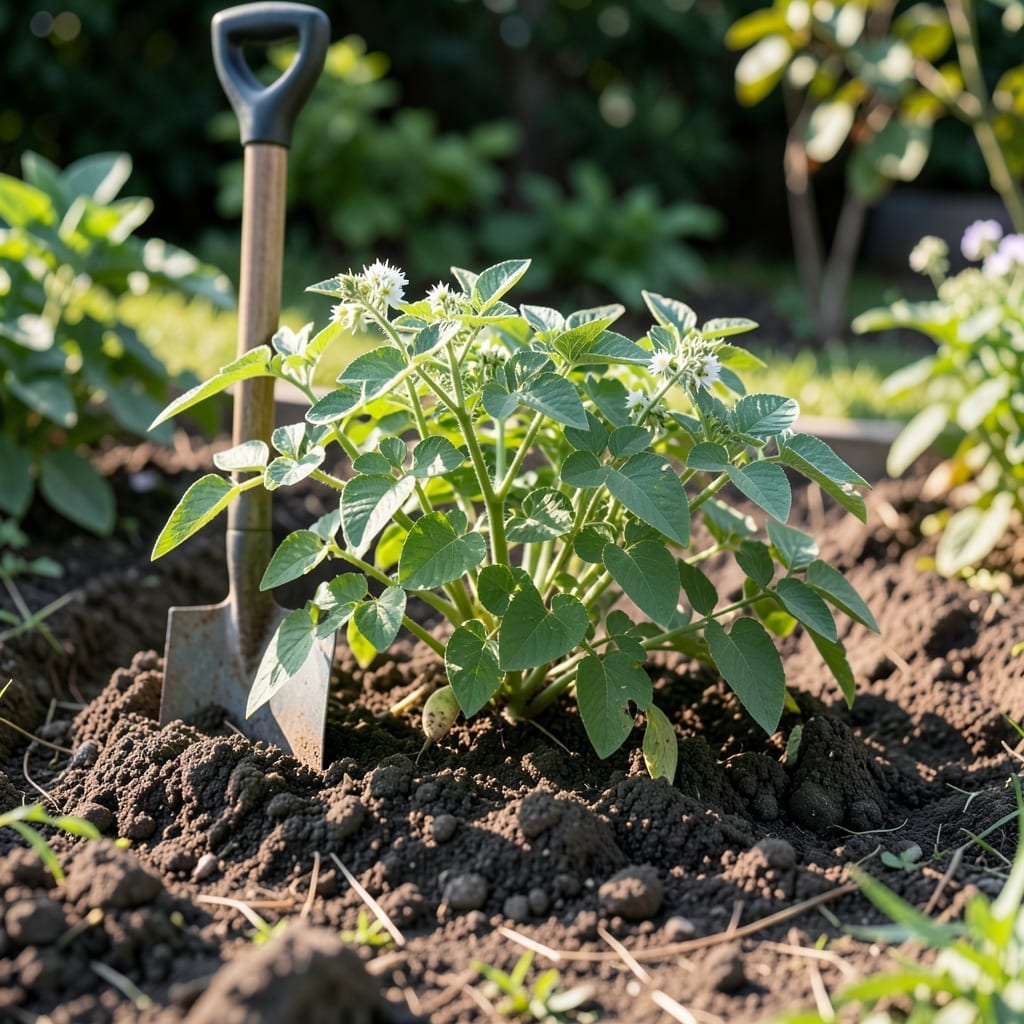
Hilling potatoes at the right time can double your harvest, but do it too early or too late and you risk stunted growth or disease.
I learned this the hard way my first season growing 🥔 Potato. Watching those first green sprouts emerge is exciting, but knowing when to mound soil around them makes all the difference.
Timing this simple step correctly protects tubers from light and boosts production. The key is catching your plants at just the right stage.
Discover the exact signals your Potato plants give when they’re ready, and how to turn this practice into your game-changer for a bumper crop.
I’ve found that timing is everything when it comes to hilling potatoes. The ideal window is when your plants reach 6 to 8 inches tall and have fully developed leaves. This is usually 2 to 3 weeks after sprouts emerge. ☀️
Hilling too early can damage tender stems, while waiting too long exposes developing tubers to sunlight, risking greening. Watch for flower buds—this is your cue to start the second hilling. 🌱
| Stage | Height | Action |
|---|---|---|
| First Hilling | 6 inches | Mound soil around stems |
| Second Hilling | 8-10 inches | Add more soil before flowering |
| Final Hilling | 12 inches | Stop hilling at flowering |
In cooler climates, I start hilling as soon as the soil temperature hits 50°F. This ensures the tubers are protected from late frosts. In warmer regions, you can begin a bit earlier. 🌡️
The soil moisture matters too. I always check that the soil is workable but not soggy. Hilling in wet conditions can compact the soil and hinder tuber growth. 💧
If your potato plants are growing slowly, wait until they reach at least 6 inches before hilling. I’ve seen stunted growth when gardeners rush this step. Patience pays off with bigger harvests. 🌿
Another sign it’s time to hill is when you see small tubers forming near the surface. This usually happens when plants are 8 to 10 inches tall. Cover them to prevent sun exposure and pest damage. ✂️
I stop hilling once the plants start flowering. At this point, the tubers are deep enough, and further hilling can disrupt root systems. Focus on consistent watering instead. 🪴
For early varieties, I complete all hilling within 4 to 5 weeks of planting. Late varieties may need an extra week or two. Adjust based on your specific potato type. 🌻
If you’re unsure, gently brush away soil at the base. If you see tubers forming, it’s time to hill. This simple check can save your crop from greening. 🌷
Proper hilling is essential for growing healthy potato plants with maximum yield. I always wait until my potato plants reach 6-8 inches tall before starting the process. This timing ensures the stems are sturdy enough to support the extra soil.
Hilling protects developing tubers from sunlight, which can turn them green and toxic. I’ve found that loose, well-draining soil works best for creating the mounds. Always hill in the morning when the soil is workable and the plants are less stressed.
I recommend using a garden hoe or your hands to gently pull soil toward the potato stems. Avoid compacting the soil too much, as this can restrict root growth. The goal is to create a loose, protective mound around each plant.
If you’re growing in containers or raised beds, hilling is just as important. Simply add more potting mix or compost around the stems as they grow. This method works well for smaller spaces and keeps the tubers safely buried.
One common mistake I see is hilling too late, after the plants have flowered. By then, the tubers are already forming and may be exposed to light. Early and consistent hilling is key to preventing green potatoes and ensuring a bountiful harvest.
Remember, hilling isn’t just about protection—it also encourages the plant to produce more tubers along the buried stem. With the right timing and technique, you’ll see a noticeable difference in your potato yield this season. ✂️